National Dish Cyprus: Revani (Recipe)
In this article
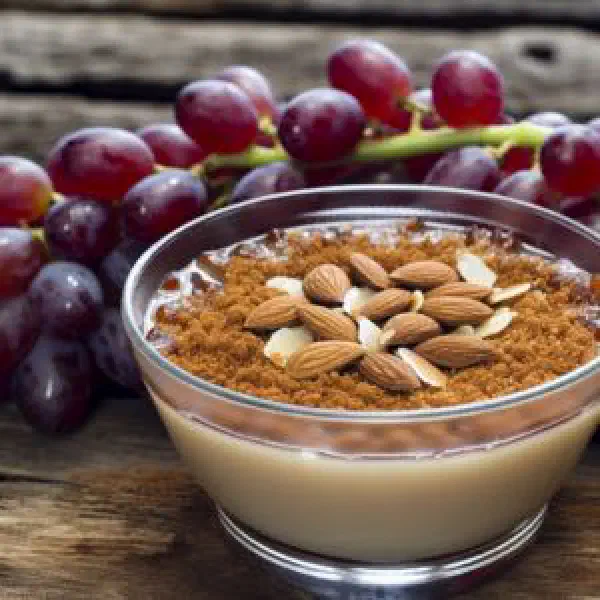
Discover Revani, one of Cyprus’s most cherished sweets. This moist, golden semolina cake is drenched in a fragrant lemon syrup that soaks right through every slice, leaving it beautifully sticky and rich. Scented with citrus and finished with a scatter of almonds, it is the kind of dessert that turns any gathering into a celebration. Bring a taste of the Mediterranean to your own table with this simple, very good treat.
About Revani
Revani is a beloved national dish of Cyprus, prized as much for its moist, syrup-soaked texture as for its distinctive flavour. This traditional dessert is made chiefly from semolina and an aromatic syrup that lends the cake its unmistakable sweetness. A generous helping of lemon brings a refreshing lift, while almonds add a fine, nutty finish. Revani is perfect for festive occasions, yet it is just as lovely to enjoy on an ordinary afternoon, a true piece of Cypriot culture on your plate.
Ingredients (serves 1–2)
- 100 g semolina
- 100 g sugar
- 2 eggs
- 50 ml sunflower oil
- 1 tsp baking powder
- 200 ml milk
- Juice and zest of 1 lemon
- For the syrup: 200 ml water, 200 g sugar, juice of 1 lemon
- Ground almonds, to decorate
Shopping for the ingredients
To make Revani you will need a few specific ingredients, most of which are easy to find in any supermarket. When buying the semolina, look for a fine grind to achieve the right texture. Make sure you have plenty of sugar to hand, as it is used both in the batter and in the syrup. Fresh lemons are equally important, bringing that pleasant, zesty note that lifts the whole dessert.
Preparing the dish
Before you start making Revani, it is well worth setting out all of your ingredients first. This makes the cooking process smoother and ensures you do not forget any important step. You can prepare the flaked almonds in advance by toasting them to intensify their flavour. Good timing with the syrup matters too, so that it has just the right consistency when the cake comes out of the oven.
Step-by-step instructions
- Preheat the oven to 180°C.
- In a bowl, beat the eggs and sugar together well.
- Add the oil, milk, lemon juice and zest, and mix thoroughly.
- Fold in the semolina and baking powder until you have a smooth batter.
- Pour the batter into a greased baking tin and level the surface.
- Bake in the preheated oven for 30–40 minutes, until the top is golden brown.
- For the syrup, bring the water, sugar and lemon juice to the boil in a pan, then simmer for 10 minutes.
- Pour the hot syrup evenly over the finished cake.
- Leave to cool before serving and decorate with ground almonds.
Gluten-free / lactose-free version
The traditional version of Revani contains gluten through the semolina, but there are easy alternatives. You can use gluten-free semolina or even almond flour to make the recipe suitable for a gluten intolerance. For a lactose-free version, swap the milk for a plant-based alternative such as almond milk or coconut milk. These adjustments preserve the delicious flavour of Revani without giving up any of the key ingredients.
Vegan versions of Revani are achieved by replacing the eggs. You could, for example, use aquafaba (chickpea water) as an egg substitute, which holds the cake’s structure together and keeps it beautifully moist. The milk can likewise be replaced with plant-based alternatives. That way you can enjoy a delicious vegan Revani that tastes every bit as good as the traditional one.
Tips for vegans and vegetarians
Revani adapts easily for both vegetarians and vegans. Vegetarians can enjoy the classic recipe as it stands, while vegans need only swap the eggs and milk for plant-based options such as aquafaba and almond milk. Take care to check spice blends and pre-processed ingredients for hidden animal products. With a few thoughtful substitutions, this Cypriot classic suits almost any diet without losing its signature sweetness.
More tips and tricks
To get the very best from Revani, a few small tricks go a long way. Experiment with the sweetness of the syrup. You can dial the sugar up or down to suit your taste. Another good tip is to let the finished cake rest in the fridge overnight, so it soaks up the aromas to the full. Presentation matters too; garnish the dessert with fresh fruit or edible flowers for an especially attractive look.
Adapting the recipe to your taste
Revani is a wonderfully adaptable recipe that is easy to tailor to your preferences. Many people add nuts or raisins to give the cake extra texture and flavour. You can vary the amount of lemon to sharpen or soften the taste as you like. A warming spice such as cinnamon can also lend the dessert a personal touch, much as it enriches classic Cypriot bakes like Kalo Prama.
Ingredient substitutions
If you are looking for alternatives to the classic ingredients of Revani, there are plenty of options. Sugar substitutes such as stevia or agave syrup offer a lighter variation. For more aroma, you can use orange blossom water in place of lemon juice, adding an intriguing note. Different kinds of oil work well too. Try coconut oil for an exotic touch.
Drink pairing ideas
Choosing the right drink is key to rounding off your Revani. A light tea, such as a green tea or a mint tea, pairs perfectly with the sweetness of the cake. Alternatively, a freshly squeezed orange juice sits beautifully alongside the citrus notes in the Revani. For a festive touch, you could serve a fruity cocktail to complement the flavours of the dessert.
Serving and presentation ideas
Presentation can be decisive for the whole Revani experience. Cut the cake into small squares and arrange them on pretty plates, garnished with a few toasted almonds or fresh mint leaves. You could also serve a white chocolate sauce or a little cream on the side as a dip. These small details give the dessert extra flair and turn it into a real showpiece, much like a plate of Loukoumades.
A bit of history
Revani has a long tradition and is regarded as a symbol of Cypriot gastronomy. This dessert has its roots in Ottoman cuisine and has spread over time in many variations. In Cyprus, Revani is often served at festive occasions, which underlines its cultural significance. Traditional dishes like this preserve the past and connect the generations, a hallmark of Cypriot cuisine.
More recipe ideas
Summary: Revani
Revani is more than just a dessert; it is a piece of Cypriot history and culture. With its simple preparation and its appealing aromas, it is ideal for any occasion. Whether traditional or vegan, the possibilities for adaptation are almost endless, so everyone can enjoy a version of this delicious treat. Let Revani work its magic and surprise your guests with a taste of this traditional sweet pleasure.