National Dish Cyprus: Saganaki (Recipe)
In this article
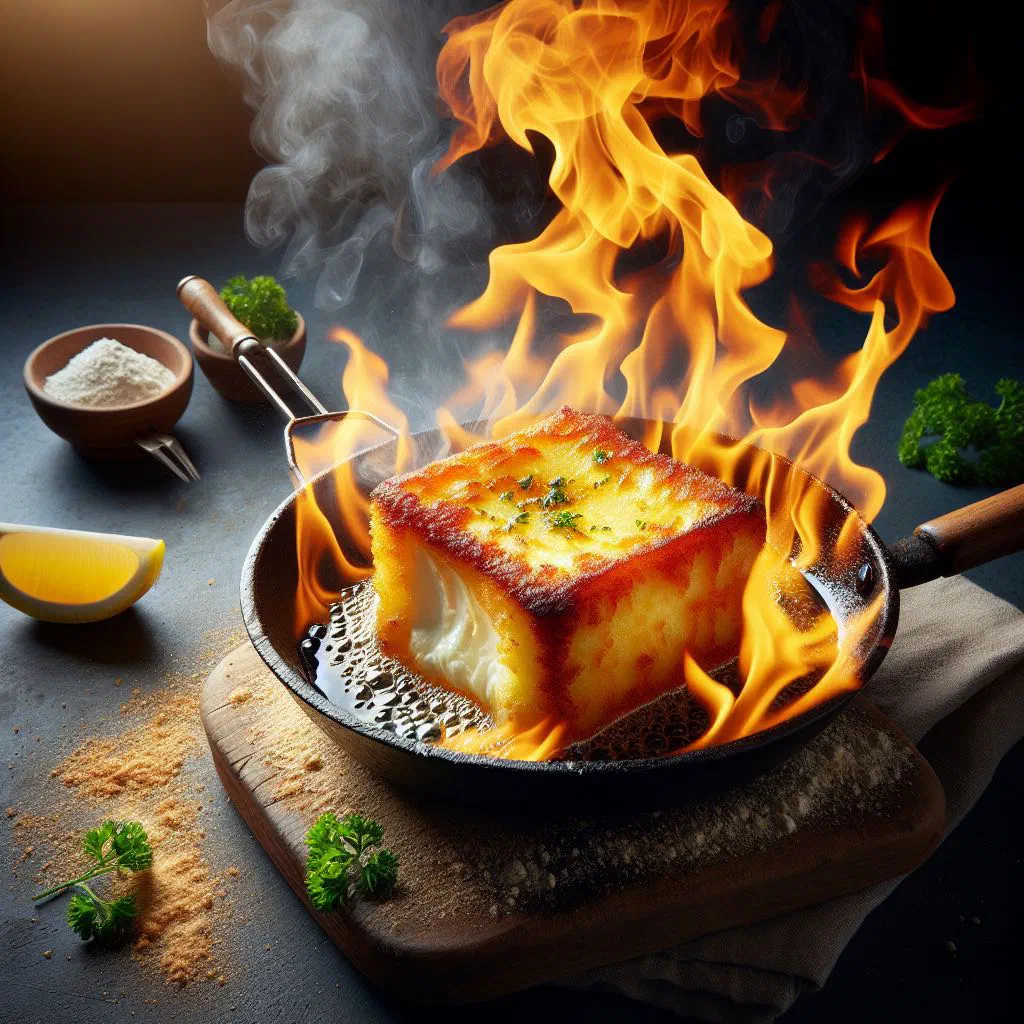
Discover Saganaki, the very good fried-cheese classic that Cyprus shares with its Greek neighbours. With little more than a good slab of cheese, a dusting of flour and a hot pan, you can turn out a crisp, golden crust wrapped around a soft, molten centre. Served sizzling with a squeeze of lemon, it makes a wonderful appetiser or a generous main. Bring a taste of the Mediterranean straight to your own table.
About Saganaki
The very good Saganaki is a traditional dish from Cyprus with its roots firmly in Greek cooking. At its heart is fried cheese that tempts with a beautifully golden-brown crust. This delicious little dish is often served as an appetiser, and sometimes even as a main course, and it has become a much-loved part of Mediterranean food culture. The contrast between the crisp shell and the tender, melted interior makes Saganaki a firm favourite with cheese lovers the world over, a natural fit alongside a plate of grilled Halloumi.
Ingredients (serves 1–2)
- 200 g feta cheese or another firm cheese
- 2–3 tablespoons flour (plain wheat or cornflour)
- Olive oil, for frying
- 1–2 teaspoons lemon juice
- Parsley, to garnish (optional)
Shopping for the ingredients
To make a perfect Saganaki, it is well worth buying the right ingredients. Visit a local market or a good deli to track down high-quality cheese, and make sure it is firm enough that it will not simply run away in the pan. Alongside the cheese you will need fresh, good-quality staples such as olive oil and lemon to bring out the very best flavour.
Preparing the dish
Getting Saganaki ready is quick and straightforward. Start by cutting the cheese into even slices roughly 1.5–2 cm thick. Then turn the pieces in flour so they develop a crisp crust as they fry. Make sure every slice is well coated, as this helps stop the cheese leaking out during frying.
Step-by-step instructions
- Heat plenty of olive oil in a frying pan over a medium heat.
- Turn the prepared cheese slices once more in the flour.
- Carefully lower the cheese into the pan and fry for about 2–3 minutes on each side, until golden brown.
- Lift the Saganaki out of the pan and let it drain briefly on kitchen paper.
- Serve it hot, drizzled with lemon juice and scattered with a little parsley.
Gluten-free / lactose-free version
For a gluten-free version of Saganaki you can simply use gluten-free flour or cornflour. When choosing your cheese, opt for a lactose-free one, a lactose-free feta works beautifully. These small adjustments mean plenty more people can enjoy this delicious dish without missing out on any of its flavour or texture.
Tips for vegans and vegetarians
Vegans can reach for a plant-based cheese alternative that melts well and offers a comparable texture. Many cooks also recommend building the dish around a combination of tofu and nuts to achieve the consistency and savoury flavour you are after. Always keep individual preferences in mind so you can adapt the dish to suit everyone at the table.
More tips and tricks
An important frying technique is not to crowd the pan, as adding too much at once can drop the temperature of the oil. Make sure the cheese slices are not sitting on top of one another so they crisp up evenly. For an extra layer of flavour, try dusting a little smoked paprika over the Saganaki just before serving.
Adapting the recipe to your taste
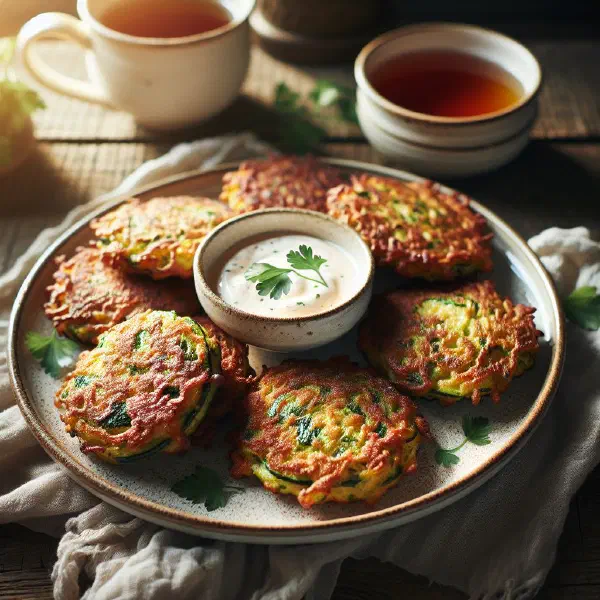
Saganaki is easy to tailor to your own preferences. Different cheeses such as halloumi or a firm sheep’s cheese can make for an interesting change of pace. Experiment with various herbs or spices to give the dish a character all of its own, much as you would when seasoning a plate of Zucchini Fritters.
Ingredient substitutions
If you do not have feta to hand, other cheeses such as mozzarella or Emmental are well worth a try. Just make sure the cheese has a similar consistency so it holds together rather than melting away in the pan. When it comes to the coating, you can also swap in alternative flours such as chickpea flour for a nuttier finish.
Drink pairing ideas
Saganaki goes especially well with white wines or a chilled rosé, both of which balance the salty richness of the cheese beautifully. A crisp Grüner Veltliner or a Mediterranean rosé makes an ideal partner. For alcohol-free options, sparkling water with lemon or a fresh iced tea are excellent choices too.
Serving and presentation ideas
To show Saganaki off at its best, serve it on a rustic wooden board to underline that relaxed Mediterranean feel. Dress the plate with fresh herbs and lemon wedges for an inviting look, and pair it with a bright Village Salad or a spoonful of Melitzanosalata. A clear, attractive presentation will pleasure your guests and turn the meal into a real occasion.
A bit of history
Saganaki has its roots in the Greek culinary tradition and takes its name from the small two-handled pan in which it is traditionally cooked. Over the years the dish has spread across many Mediterranean countries, with each region developing its own variations and methods. Saganaki is a genuine part of the culture and tradition of Cyprus, enjoyed in convivial company as a cornerstone of Cypriot cuisine.
More recipe ideas
Summary: Saganaki
Saganaki is much more than a simple cheese dish; it is an experience that captures the flavours and the easy-going spirit of the Mediterranean. With just a handful of ingredients and a straightforward method, you can conjure up a piece of Cypriot cooking on your own table. Whether as part of a sociable evening or as a special treat, the pairing of crisp shell and molten cheese is sure to win over you and your guests. Let it inspire you and enjoy Saganaki in all its glory.