National Dish Cyprus: Vasilopita (Recipe)
In this article
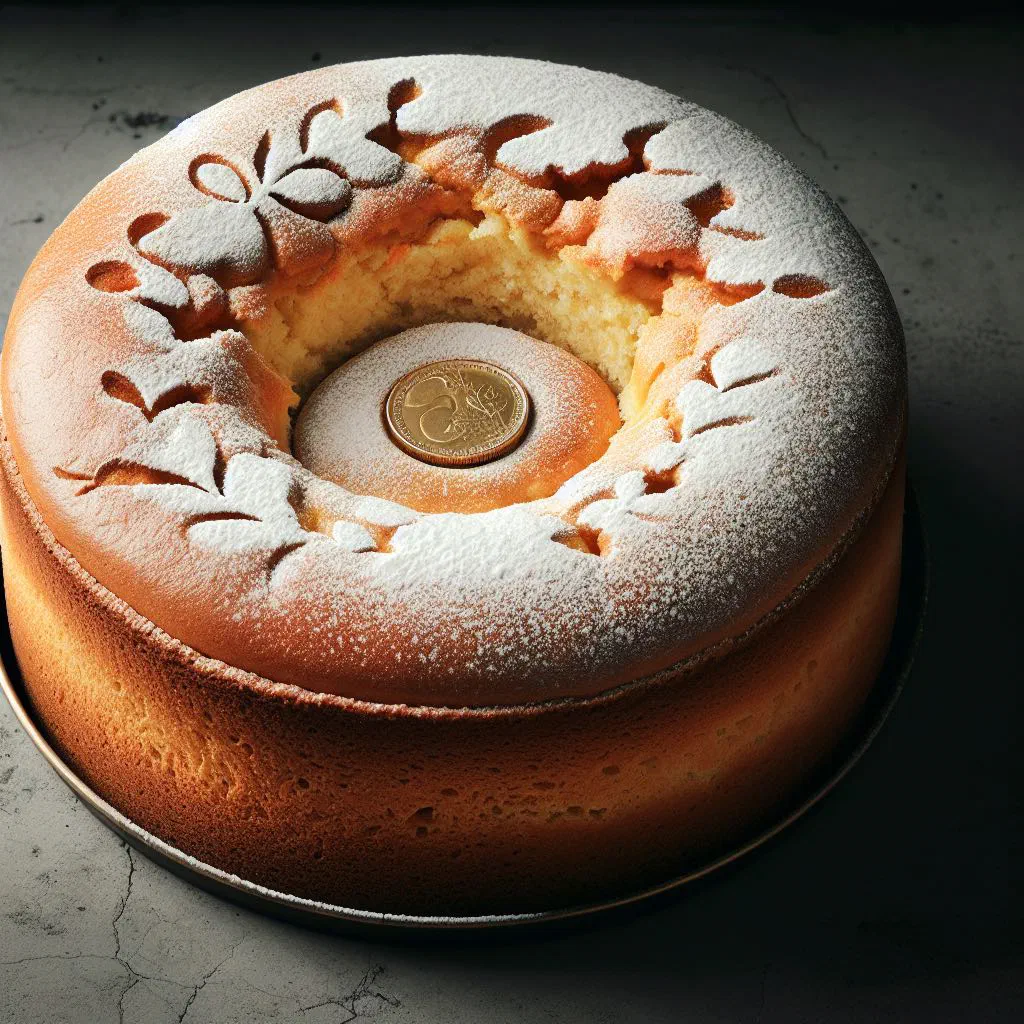
Ring in the New Year the Cypriot way with Vasilopita, a golden, buttery cake that carries far more than good flavour. Baked in homes across the island every January, it hides a single lucky coin in its crumb, and whoever finds it in their slice is blessed with fortune for the year ahead. Simple to make yet rich in meaning, this festive bake draws families and friends together around one warm, sweet tradition.
About Vasilopita
Vasilopita is a traditional Cypriot New Year cake that appeals to with its wonderful flavour and with its deeply rooted symbolism. Each year it is baked to welcome the New Year in countless Cypriot households, offering a wish for prosperity and good luck in the months to come. The most cherished custom is to hide a coin inside the cake; whoever finds it as the cake is cut is considered the fortunate one of the year. Over time, Vasilopita has become a centrepiece of New Year celebrations, bringing family and friends together.
Ingredients (serves 1–2)
- 200 g soft butter
- 200 g sugar
- 3 eggs
- 300 g flour
- 1 sachet baking powder
- 1 cup milk
- A pinch of salt
- 1 tsp vanilla extract
- A coin (to hide inside)
Shopping for the ingredients
When shopping for the ingredients for Vasilopita, it is worth choosing good-quality products. Start with the butter, which should be fresh and soft to give the cake its ideal texture. The sugar should be as fine as possible so it blends smoothly with the butter. Most supermarkets stock everything you need; it helps to make a list beforehand so nothing gets forgotten.
Preparing the dish
Before you begin preparing the Vasilopita, gather all of your ingredients together. Measure everything out precisely to achieve the best result. A suitable cake tin should also be ready in advance, as the cake needs to bake evenly. Just as importantly, preheat the oven to the correct temperature to make sure the cake turns out perfectly.
Step-by-step instructions
- Beat the soft butter and sugar together in a bowl until creamy.
- Add the eggs one at a time, mixing well after each.
- Combine the flour with the baking powder and the pinch of salt, then fold it into the batter alternately with the milk.
- Add the vanilla extract and mix well.
- Drop in the coin and fold it gently through the batter.
- Pour the batter into a greased cake tin and smooth the top.
- Bake in the preheated oven at 180°C for around 40–50 minutes.
- Once baked, remove the cake from the oven and leave it to cool.
- Dust with icing sugar and serve.
Gluten-free / lactose-free version
For anyone who wants to bake gluten-free or lactose-free, there are easy alternatives. Gluten-free flour can be used without any trouble to adapt the batter. For the lactose-free version, lactose-free milk and butter make an equally delicious Vasilopita. Just take care that the alternatives you choose harmonise well with one another, so the cake keeps its characteristic flavour.
Tips for vegans and vegetarians
Vegans can swap the eggs for plant-based alternatives such as apple purée, flaxseed or mashed banana to achieve a similar texture. The butter is easily replaced with vegan margarine, and for the milk you can reach for plant-based options like almond or oat milk. With these simple substitutions, nothing stands in the way of enjoying a traditional Vasilopita in a fully vegan version.
More tips and tricks
To bake the best Vasilopita, a few tips and tricks are worth keeping in mind. Use fresh ingredients, as they make a real difference to the flavour. Keep the oven heat constant to achieve an even crust and a moist, tender centre. A wooden skewer is handy for checking whether the cake is done, if it comes out clean, the cake is ready.
Adapting the recipe to your taste
Vasilopita is easy to adapt to personal preferences. Experiment with different aromas by adding lemon or orange zest to give the cake a fresh note. Nuts or dried fruit can lend extra flavour and texture, much as they do in a slice of Baklava. For a chocolatey twist, fold in cocoa powder or chunks of chocolate.
Ingredient substitutions
If you are missing certain ingredients, creative alternatives work well. In place of milk you can use yoghurt, which makes the batter especially moist, a trick shared with the syrup-soaked Revani. Instead of sugar, honey or another sweetener can be used, though the quantity will need adjusting. Gluten-free flour also comes in many varieties, offering greater flexibility in the kitchen.
Drink pairing ideas
A few drinks make a lovely accompaniment to Vasilopita. A fresh herbal tea pairs beautifully with the cake’s sweetness and provides a harmonious balance. For the celebrations, a glass of sparkling wine or a fruity cocktail is ideal for toasting the turn of the year, much as you might alongside sticky Loukoumades. Water with a splash of agave syrup or citrus makes a refreshing choice too.
Serving and presentation ideas
Presentation is part of the pleasure of Vasilopita. Set the cake on a pretty cake stand and decorate it with icing sugar or a light glaze. A few fresh fruits or edible flowers can give it a special touch. Dress the table festively to honour the tradition and the occasion, offering your guests a memorable experience.
A bit of history
The tradition of Vasilopita traces back to Saint Basil (Vasilios), who lived in the 4th century. He was known for his acts of charity, providing gifts to those in need. The coin in the cake recalls those gifts and the blessings they carried. Since then, the custom of baking the cake at New Year has spread across Cyprus and throughout other Greek communities, becoming an important symbol of good luck and happiness, one of the sweetest treasures of Cypriot cuisine.
More recipe ideas
Summary: Vasilopita
Vasilopita is a delicious and symbolic New Year cake that enriches the celebration of the new year in Cyprus. Every year the cake is baked to invite luck and prosperity for the months ahead. With its tasty recipe and the special tradition of hiding the coin, it brings joy and togetherness among family and friends. Celebrate with this special bake and pleasure in Cypriot culture and its enduring traditions.