National Dish Czechia: Pohanka (Recipe)
In this article
Meet Pohanka, the humble buckwheat dish that sits close to the heart of Czech home cooking. Earthy, nourishing and wonderfully easy to make, it turns a handful of everyday ingredients into a warming bowl that works as a hearty main or a comforting side. Because buckwheat is naturally gluten-free, this rustic classic has been winning fans well beyond the borders of the Czech Republic, and it is every bit as at home on a modern weeknight table as it once was in a country kitchen.
About Pohanka
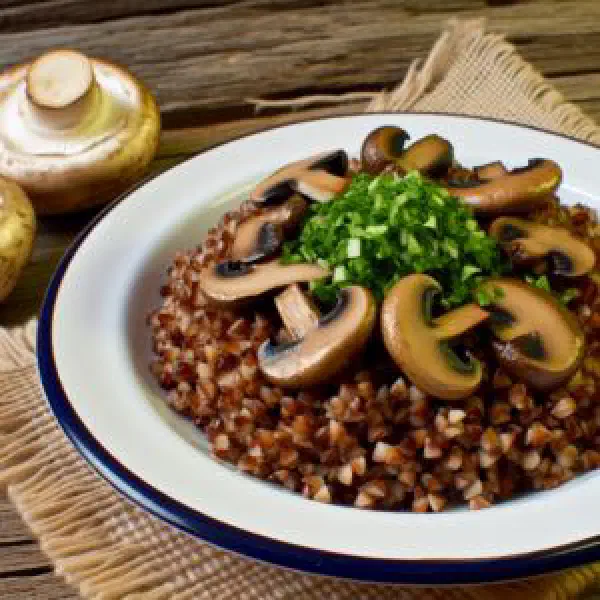
Pohanka, the delicious buckwheat groats, is not only an important part of Czech cooking but is also gaining popularity around the world. It is simple to prepare and the ingredients are easy to find. Buckwheat is naturally gluten-free, which makes it an excellent choice for anyone with a gluten intolerance. This dish is wonderfully versatile, and it can be enjoyed either as a side or as a main course.
Ingredients (serves 1–2)
- 200 g buckwheat
- 500 ml vegetable or meat stock
- 1 onion
- 1 carrot
- 100 g button mushrooms (optional)
- 2 tablespoons olive oil
- Fresh herbs (such as parsley or thyme)
- Salt and pepper to taste
Shopping for the ingredients
Gathering the ingredients for Pohanka is straightforward. Most of them can be found in any well-stocked supermarket. Buckwheat can sometimes also be found in health-food shops or organic stores, where high-quality products are often on offer. Fresh vegetables and herbs matter too, rounding out the flavour of the dish and giving it a lively touch.
Preparing the dish
Before you begin cooking Pohanka, prepare all your ingredients. Rinse the buckwheat thoroughly and chop the vegetables small. Cutting and dicing the onion, carrot and any mushrooms neatly is key to an even cooking time. It also helps to warm the stock in advance so the grains cook gently and evenly, much as they would in a comforting bowl of Bramborova Polevka.
Step-by-step instructions
- Heat the olive oil in a pan and sauté the onions until translucent.
- Add the carrots and, if using, the button mushrooms and fry them briefly.
- Add the buckwheat and stir well to combine.
- Pour in the warm stock and bring to the boil.
- Cover and let everything simmer over low heat for about 15–20 minutes, until the buckwheat is tender.
- Season to taste with salt, pepper and fresh herbs.
- Let the dish rest for a few minutes before serving.
Gluten-free / lactose-free version
Pohanka is naturally gluten-free, which makes it an ideal choice for anyone with a gluten intolerance. Just make sure the stock you use is also gluten-free. For a lactose-free version you need no dairy at all, so this dish suits both the lactose-intolerant and those who prefer a gluten-free diet. With the right choice of ingredients it can be enjoyed to the full, without losing any of its flavour or goodness.
Tips for vegans and vegetarians
For a vegan version of Pohanka, reach for vegetable stock and a generous variety of vegetables. Swap the optional button mushrooms for other kinds of mushroom, or simply add more vegetables to vary the taste. You can also use plant-based oils and take care to choose a stock free of any animal ingredients. That way the dish stays tasty, nourishing and completely vegan.
More tips and tricks
A few extra pointers can make Pohanka even easier and more flavourful. Experiment with different herbs to give the dish its own character. If you would like it creamier, stir in a handful of nuts or seeds. You can also control the texture of the buckwheat by adjusting the amount of stock, so it keeps more “bite” or turns softer and creamier, just as you prefer.
Adapting the recipe to your taste
One of the great things about Pohanka is its versatility. Depending on your taste, you can use different vegetables or fold in extras such as nuts or dried fruit. You can also adjust the seasoning to reach the flavour you are after. For a spicier take, add chilli or paprika, while for a milder version you can simply let the herbs lead, a flexibility it shares with a rustic bowl of Skubanky.
Ingredient substitutions
If you do not have a particular ingredient to hand, there is usually an excellent alternative. Instead of buckwheat, for example, you could use other grains such as quinoa or millet, though the method and cooking times will change. Vegetable fond can stand in for the stock to vary the depth of flavour. When it comes to vegetables there are no limits to your creativity, so try whatever seasonal produce you have, the same spirit that shapes a bowl of Houbovy Kuba.
Drink pairing ideas
To round off a plate of Pohanka, a range of drinks works well. A light pale lager pairs beautifully with the earthy notes of the buckwheat. For a non-alcoholic option, a fresh herbal tea or a fruit juice is ideal for complementing the dish’s savoury flavours. You might also experiment with water with lemon or other fruit infusions to create a refreshing contrast.
Serving and presentation ideas
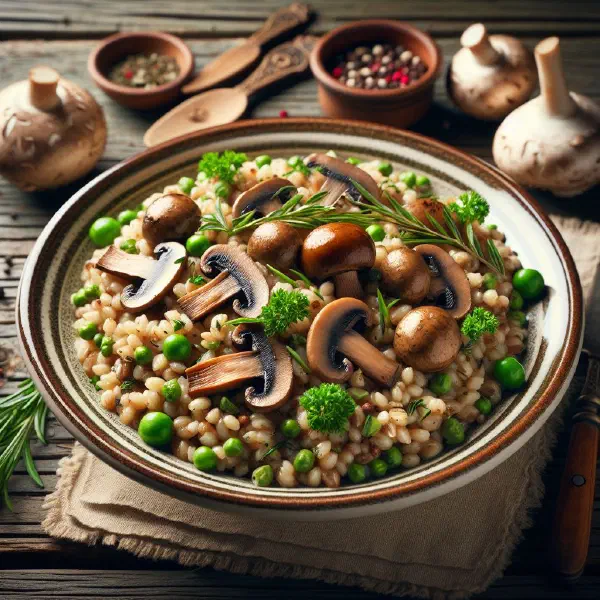
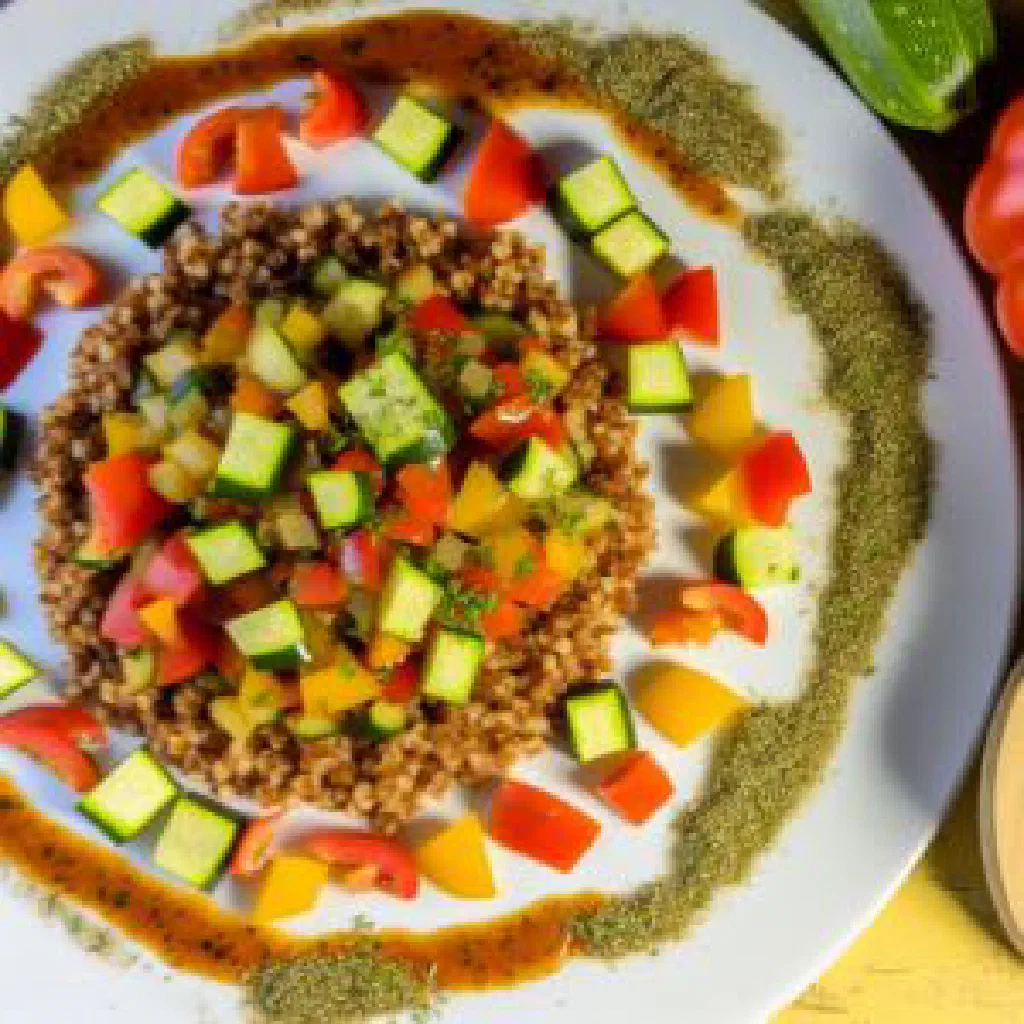
Presentation plays an important part in the whole Pohanka experience. Serve the dish in attractive, deep bowls and garnish with fresh herbs or a squeeze of lemon. Colourful vegetables can help liven up the meal and make it more appealing to the eye. For special occasions, arrange the dish in a fine bowl with a drizzle of olive oil or a scattering of herb salt.
A bit of history
Buckwheat, and with it Pohanka, has a long history in Czech cooking. Historically, buckwheat was seen as a nourishing staple that fed many people over the centuries. It was especially popular in rural areas, where other grains did not grow as readily. That tradition has carried through to the present day, which is why Pohanka still holds a central place in Czech cooking and rose to become a national dish, one of many rustic classics you can explore in Czech cuisine.
More recipe ideas
Summary: Pohanka
In short, Pohanka is a versatile and nourishing dish that is simple to prepare and easy to adapt to personal taste. Whether as a main course or a side, its distinctive flavour and wholesome qualities make it a real treat from Czech cooking. With its many variations and seasonal ingredients, this is a dish no kitchen should be without. Let Pohanka inspire you and enjoy the pleasure of making it.