National Dish Denmark: Æbleflæsk med Rugbrød (Recipe)
In this article
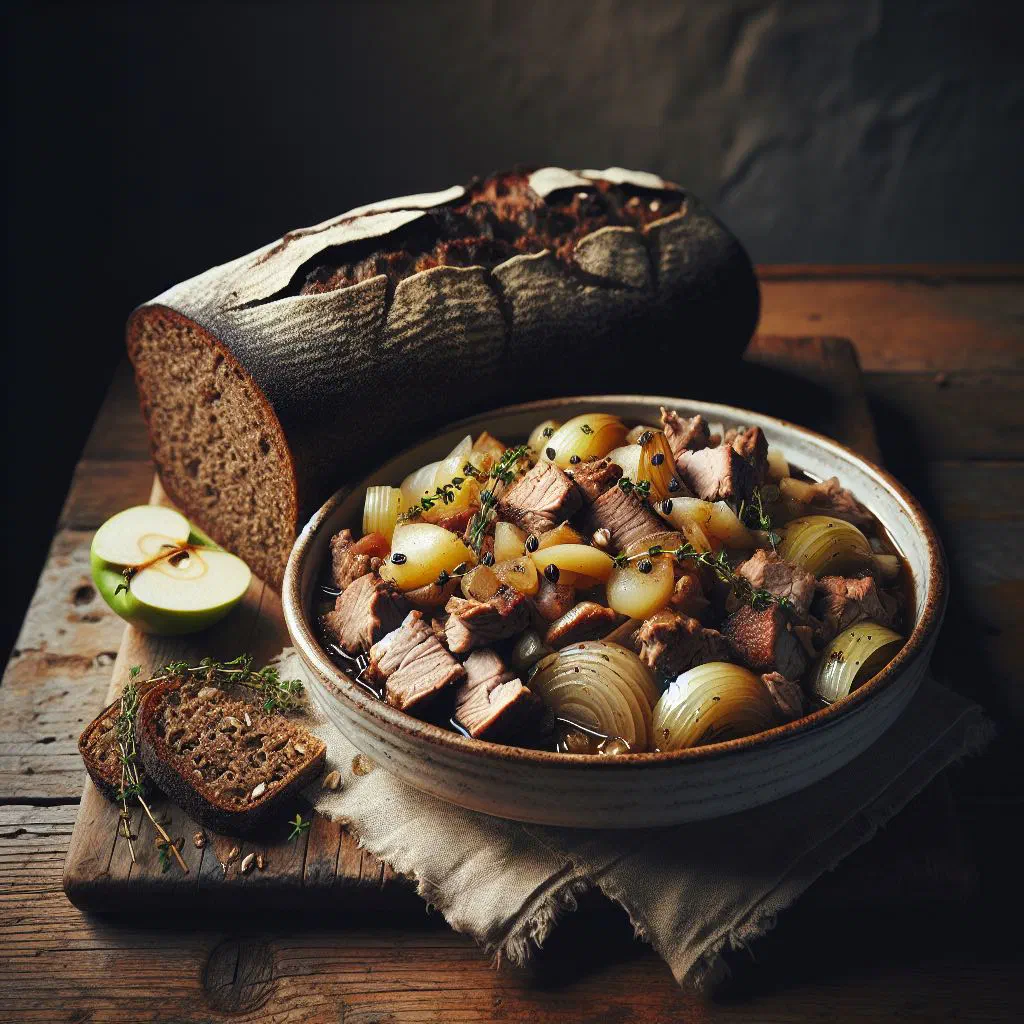
Meet Æbleflæsk med Rugbrød, a Danish farmhouse classic that turns three humble ingredients into something quietly brilliant. Salty, crisp bacon meets soft, caramelised apples, all piled onto a slice of dense dark rye bread. It is the kind of sweet-and-savoury pairing that sounds unlikely on paper and makes perfect sense at the first bite. Serve it for a leisurely brunch or set it in the middle of the table for friends to share.
About Æbleflæsk med Rugbrød
Æbleflæsk is a classic Danish dish that brings together savoury bacon and fruity apples in a genuinely distinctive combination. A base of good rye bread gives the whole thing extra heartiness and substance. It began life as simple, thrifty cooking for the rural population, and has since become a much-loved treat right across Denmark. Whether you serve it as a hearty breakfast or as part of a relaxed gathering with friends, Æbleflæsk is always a good call.
Ingredients (serves 1–2)
- 200 g bacon (Danish, ideally)
- 2–3 apples (Bramley or Granny Smith work well)
- 1 onion
- 2 slices rye bread
- Butter or oil, for frying
- Salt and pepper to taste
Shopping for the ingredients
When shopping for Æbleflæsk, it pays to think carefully about the quality of the bacon. Danish bacon is known for its robust flavour and ideal marbling, which makes for a particularly aromatic result. The apples should be fresh and firm so they bring both crunch and sweetness to the pan. Rye bread is easy to find in most bakeries and supermarkets, and it forms the perfect base for this dish.
Preparing the dish
Before you start cooking Æbleflæsk, it is worth getting the ingredients ready. Core the apples and cut them into fine slices so they cook through evenly. Peel the onions and slice them into rings or dice them, depending on what you prefer. The bacon can be cut into small pieces too, which makes it easier to fry.
Step-by-step instructions
- Fry the bacon in a pan over medium heat until crisp.
- Lift the bacon out of the pan and set it aside. Fry the onions in the rendered fat until golden brown.
- Add the apples to the onions and fry for a few minutes until soft.
- Return the bacon to the pan, stir everything together well and season with salt and pepper.
- Toast the rye bread and spoon the bacon and apple mixture over the top.
Gluten-free / lactose-free version
For a gluten-free Æbleflæsk, simply use gluten-free bread in place of the rye. There are plenty of good alternatives on the shelves these days that suit the dish well. For a lactose-free version, reach for plant-based butter or a neutral oil. Just check that every ingredient you use is genuinely gluten- or lactose-free so the finished plate is safe for everyone.
Tips for vegans and vegetarians
Vegans and vegetarians can enjoy Æbleflæsk too by swapping the bacon for smoked tofu or a plant-based alternative. These deliver a similar flavour and the right texture. Fresh herbs such as thyme or rosemary are a good addition here, bringing extra aroma to the pan. The combination of apples, onions and a plant-based coating still makes for a thoroughly tasty result.
More tips and tricks
To get even more out of Æbleflæsk, try working through different apple varieties. Sweet, juicy apples sit beautifully against the salty bacon. Nuts are another worthwhile addition, walnuts in particular give the mixture a pleasant crunch. Experiment with different spices to bring the dish in line with your own preferences.
Adapting the recipe to your taste
The flexibility of Æbleflæsk makes it easy to tailor to personal taste. If you like a bit of heat, add a pinch of chilli or a heavier hand with the pepper. Shallots can stand in for the onions and bring a slightly milder flavour. If you want a sweeter note, a couple of tablespoons of honey or maple syrup will deepen the flavours nicely, much as they do in a Brunsviger.
Ingredient substitutions
If fresh apples are not available, apple sauce or stewed apples will do the job. The texture changes, but the characteristic apple flavour comes through all the same. Instead of rye bread you could use ciabatta or a French baguette, which gives the dish a different but equally delicious character, though the traditional pairing found in Rugbrød med Leverpostej is hard to beat.
Drink pairing ideas
Any number of drinks go well with Æbleflæsk. A lightly chilled, fruity white wine complements the sweet and savoury notes of the dish. A spiced cider is another excellent match, drawing the flavours together neatly. For something alcohol-free, fresh fruit juices or a sparkling ginger tea make refreshing company at the table.
Serving and presentation ideas
For an attractive presentation, arrange the components thoughtfully on the plate. Use fresh herbs as a garnish. They look good and add flavour at the same time. Serving straight from a handsome pan or on rustic wooden boards gives the meal a country-kitchen feel, much like a spread of Smørrebrød. Details like these lift the visual experience and make the food that bit more enjoyable.
A bit of history
Æbleflæsk has its origins in Danish country cooking and has been a fixture there for centuries. Conceived as food to get people through lean times, it grew into a genuinely treasured part of Danish cuisine. It reflects the Danish tradition of using regional ingredients and respecting the flavours the land provides. Today Æbleflæsk is cooked at home and served in plenty of Danish restaurants alike.
More recipe ideas
Summary: Æbleflæsk med Rugbrød
Æbleflæsk is a Danish delicacy that wins people over with its bold mix of savoury bacon and fruity apples. Traditionally served on rye bread, it is endlessly versatile, equally at home at breakfast or as a sociable lunch. It is straightforward to make and easy to adjust to your own preferences. Give this delicious dish a try and let it draw you into the world of Danish cooking.