National Dish Denmark: Biksemad (Recipe)
In this article
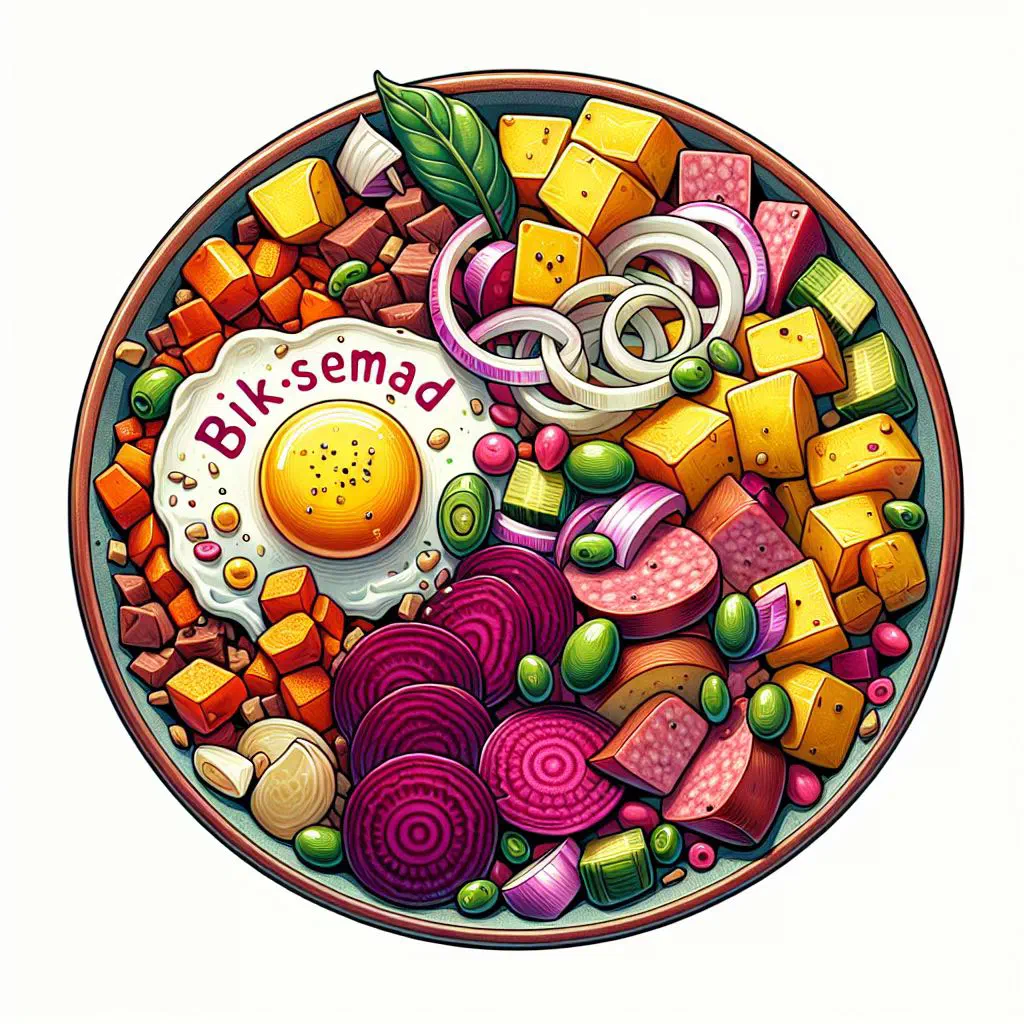
Discover Biksemad, the wonderfully unfussy hash that Danish cooks have been making for generations. Crisp cubes of potato, golden onions and tender meat all come together in a single pan, crowned with a fried egg and a splash of savoury sauce. Born from the thrifty habit of using up yesterday’s dinner, it is quick, filling and every bit as satisfying on a weeknight as it is at a lazy weekend lunch.
About Biksemad
Biksemad is a traditional Danish national dish that wins people over through sheer simplicity and hearty flavour. It is usually built from leftover potatoes, meat and onions, which makes it a brilliant way to turn odds and ends into a proper meal. The dish brings together the flavours of browned meat and crisp-edged potatoes, all cooked in the same pan. It is often served with a fried egg and a spiced sauce, and that final touch is what gives it its particular charm.
Ingredients (serves 1–2)
- 300g cooked potatoes
- 200g beef or pork
- 1 large onion
- 2 tablespoons oil or butter, for frying
- Salt and pepper to taste
- Optional: savoury sauce and 1–2 fried eggs
Shopping for the ingredients
When shopping for the ingredients for biksemad it is worth paying attention to quality. Fresh vegetables and good meat make all the difference to the finished dish. If you boil the potatoes yourself you can control exactly how far they cook and shape the flavour to your liking. Local markets are often the best place to pick up fresh, regionally produced ingredients, the same principle that serves you well when making a classic Frikadeller.
Preparing the dish
Preparing biksemad is straightforward and undemanding, which is a large part of its appeal. Start by cutting the cooked potatoes into small cubes. The meat should likewise be cut into bite-sized pieces. The onion can be diced or sliced into rings, depending on what you prefer. Some cooks like to fry the potatoes briefly on their own beforehand to give them properly crisp edges.
Step-by-step instructions
- Heat the oil or butter in a large frying pan.
- Add the onions and fry until golden brown.
- Add the chopped meat and fry until cooked through.
- Add the diced potatoes and fry everything thoroughly.
- Season with salt and pepper and mix well.
- Serve hot, topped with a fried egg and, if you like, a spoonful of savoury sauce.
Gluten-free / lactose-free version
Making biksemad gluten-free or lactose-free is simple, because the main ingredients are naturally free of both. Use a plant-based alternative to butter if you are avoiding lactose. Gluten-free versions of the accompanying sauces are widely available too. That way everyone can enjoy this comforting pan meal without giving up any of the flavour.
Tips for vegans and vegetarians
There are delicious vegan and vegetarian versions of biksemad as well. Instead of meat you can use plant proteins such as tofu or tempeh. Adding extra vegetables such as peppers or courgettes brings welcome variety to the pan. Do not forget to finish the dish with generous seasoning and fresh herbs to draw out the full depth of flavour.
More tips and tricks
One key to getting the best from your biksemad is choosing the right pan. A well-seasoned non-stick pan stops everything sticking and gives you even browning. Play with the seasoning too, paprika, mixed herbs or even a pinch of chilli can lift the whole dish. And be creative when you plate up, arranging everything so it looks as appetising as it tastes.
Adapting the recipe to your taste
Adapting biksemad to your own preferences is easy and rather good fun. Throw in your favourite vegetables to make the dish more colourful and nutritious. If you like some heat, work in fresh chillies or a dash of hot sauce. Experiment with different cuts of meat or meat alternatives to discover new flavours, much as you would when varying a Hakkebof.
Ingredient substitutions
If you would rather not use potatoes, try sweet potatoes or carrots instead. As meat alternatives, seitan and chickpeas work just as well as tofu. There is plenty of scope with the sauces too; a teriyaki or barbecue sauce opens up whole new flavour notes. The sheer adaptability of biksemad means you can always work with whatever you happen to have in.
Drink pairing ideas
Several drinks pair beautifully with biksemad and bring out its savoury character. A cold, light beer or a lightly sparkling cider is a perfect match for such a hearty plate. If you prefer something alcohol-free, fresh apple juice or a homemade lemonade does the job nicely, as does the classic Hindbaerbrus. A glass of red wine also works well with this robust dish.
Serving and presentation ideas
Presentation can raise the whole biksemad experience considerably. Serve it in an attractive deep bowl and garnish with fresh herbs or sliced radishes. A fried egg in the centre makes a fine centrepiece. Colourful side dishes or a crisp salad alongside make the plate look more inviting and add a little freshness to a rich meal.
A bit of history
Biksemad has a long tradition in Danish cuisine and is often described as leftover cookery at its finest. It grew out of the practical need to make good use of food that would otherwise go to waste. Historically it is a fine example of a food culture that values simplicity and inventiveness in the kitchen, in much the same spirit as Skipperlabskovs. Today it is a firm favourite in Danish homes and a symbol of hygge and togetherness.
More recipe ideas
- Frikadeller Med Rodkal
- Kartoffelmos Med Brun Sovs
- Rodbedesalat
- Stegt Flæsk med Persillesauce
- Medisterpolse
Summary: Biksemad
Biksemad is a hearty, comforting dish that ties tradition and good eating together. It is easy to make and perfect for a quick meal at the end of a long day. Thanks to its flexibility it can be shaped to suit almost any preference. Discover the plain elegance of this Danish classic and bring a little Nordic cooking into your own kitchen.