National Dish Denmark: Fiskefrikadeller (Recipe)
In this article
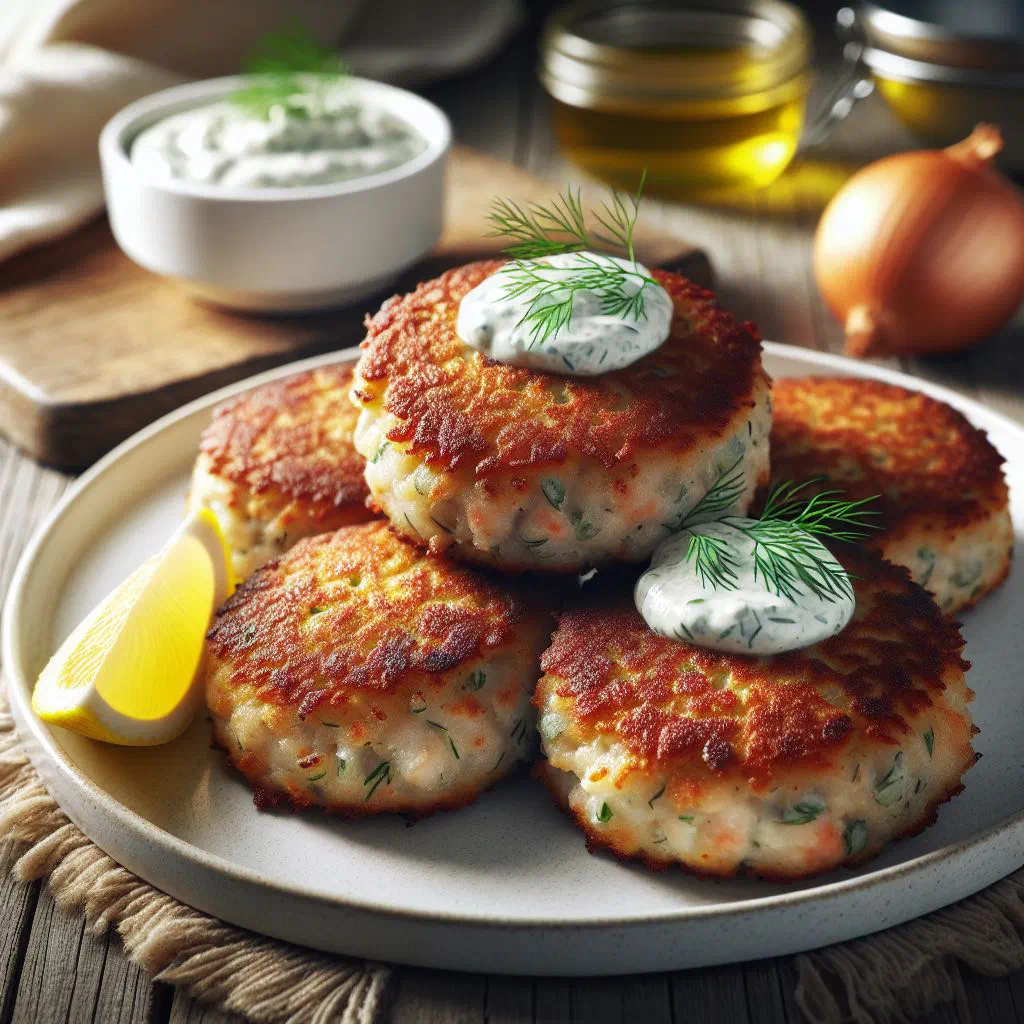
Meet Fiskefrikadeller, the golden Danish fish cakes that turn up on lunch tables and lunch boxes right across the country. Tender white fish is minced with onion and mustard, shaped by hand and fried in butter until crisp at the edges and beautifully juicy inside. Served with a generous spoonful of remoulade and a slice of good bread, they carry the clean, salty flavour of the North Sea straight into your kitchen.
About Fiskefrikadeller
Fiskefrikadeller are Danish fish cakes made from tender pieces of fresh fish. They are a much-loved dish, deeply rooted in Danish food culture, and are usually prepared with cod or coley. The cakes are more than just a treat for the palate. They are a fine way to enjoy the fresh flavours of the North Sea. Alongside classics such as Stegt Flæsk med Persillesauce, they belong to the everyday backbone of the Danish table.
Ingredients (serves 1–2)
- 300 g fresh fish (cod, for example)
- 1 small onion, finely chopped
- 1 egg
- 2–3 tablespoons plain flour
- 1 teaspoon mustard
- Salt and pepper, to taste
- Butter or oil, for frying
Shopping for the ingredients
For the best results when cooking fiskefrikadeller, it is important to use fresh ingredients. Visit your local fishmonger or a well-stocked supermarket to find good fish. Check that it smells clean and pleasant and that the skin looks glossy. The other ingredients, such as the onions and eggs, should be equally fresh so that the finished cakes taste as good as they possibly can.
Preparing the dish
Begin with the preparation of the ingredients. Cut the fish into small pieces and put it into a bowl together with the finely chopped onion. Add the egg and the mustard, then mix everything thoroughly. Finally, work in the flour to bind the mixture, and season with salt and pepper. A short rest in the fridge makes the mixture easier to shape.
Step-by-step instructions
- Divide the fish mixture into small portions and shape them into round cakes.
- Heat a frying pan with butter or oil.
- Lay the cakes carefully into the pan and fry over a medium heat until golden brown on both sides.
- Drain the finished cakes on kitchen paper to remove any excess fat.
Gluten-free / lactose-free version
For a gluten-free preparation you can simply use gluten-free flour in place of ordinary plain flour. To make the dish lactose-free, reach for a plant-based butter or an oil alternative. It is worth choosing your ingredients carefully to avoid cross-contamination.
Tips for vegans and vegetarians
Vegans can use a plant-based alternative to fish, such as tofu or chickpeas, to create a vegan version of fiskefrikadeller. These variations can be seasoned generously so that they offer a similar eating experience. Experiment with different herbs and spices to intensify the aromas. The result is a tasty, wholesome cake that can win over non-vegans too, much in the spirit of a vegetable-led Rodbedesalat on the side.
More tips and tricks
There are plenty of tips for perfecting your fiskefrikadeller. Experiment with different kinds of fish to discover new flavours. You can also refine the cakes with various herbs and spices to give them a personal signature. Remember not to overcrowd the pan, so that each cake browns evenly rather than steaming.
Adapting the recipe to your taste
Everyone has different preferences when it comes to food, and fiskefrikadeller are no exception. You can turn up the heat by adding chilli or other spices. Equally, the mustard can be swapped for another sauce to shift the flavour in a new direction. Treat the cooking as a creative project in which you get to explore your own palate.
Ingredient substitutions
For anyone with particular dietary needs there are plenty of alternatives to the usual ingredients. Instead of fish, for example, use a mixture of pulses or mushrooms. The egg can be replaced with chia or flaxseed as a binder. These adjustments are not only wholesome, they can also bring new and interesting flavour notes to the finished dish.
Drink pairing ideas
A number of drinks go beautifully with a good portion of fiskefrikadeller. A crisp pilsner or a light wheat beer harmonises wonderfully with the flavour of the fish. Anyone who prefers something alcohol-free can opt for a tangy apple juice or sparkling water with lemon, or a bottle of the Danish favourite Hindbaerbrus. These drinks round the dish off perfectly.
Serving and presentation ideas
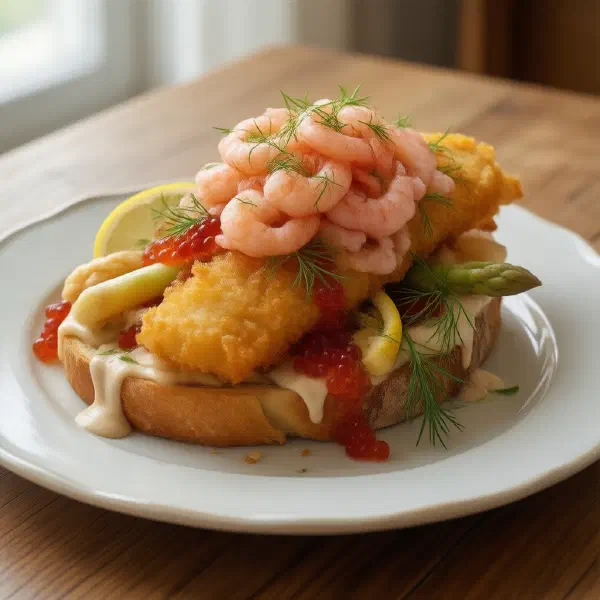
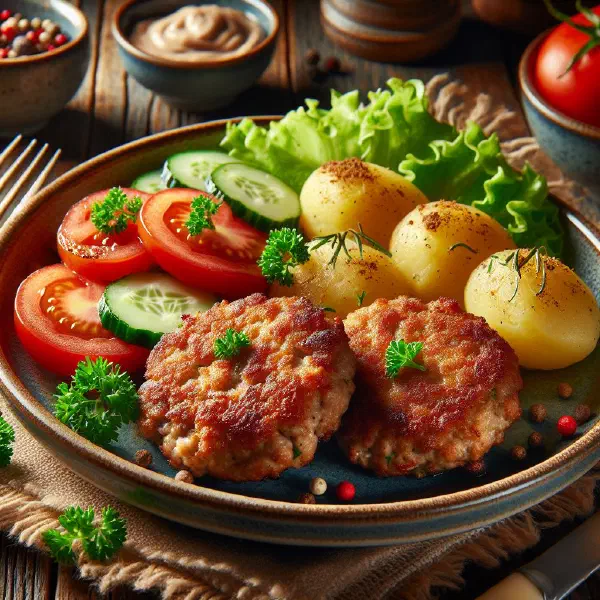
The presentation of fiskefrikadeller can be as creative as you like. Serve the cakes on a colourful plate together with various accompaniments such as remoulade, salad or roast potatoes. A fresh slice of lemon as a garnish adds an extra splash of colour. They also sit happily on an open sandwich in the manner of Smørrebrød, which makes an inviting spread for guests.
A bit of history
The tradition of fiskefrikadeller reaches far back and has its roots in Danish history. Originally they were a way of preserving fresh fish while making it thoroughly tasty at the same time. Over the years they have become a popular dish for festive occasions and have found a firm place in many Danish households. Their enduring popularity shows just how central fish is to Danish cuisine.
More recipe ideas
Summary: Fiskefrikadeller
Fiskefrikadeller are another fine example of the variety and richness of the Danish kitchen. With fresh ingredients and a handful of simple steps, this dish brings the taste of the sea to the table. These fish cakes are always a pleasure. Give them a try and discover the flavours of Denmark at home.