National Dish Denmark: Forloren Hare (Recipe)
In this article
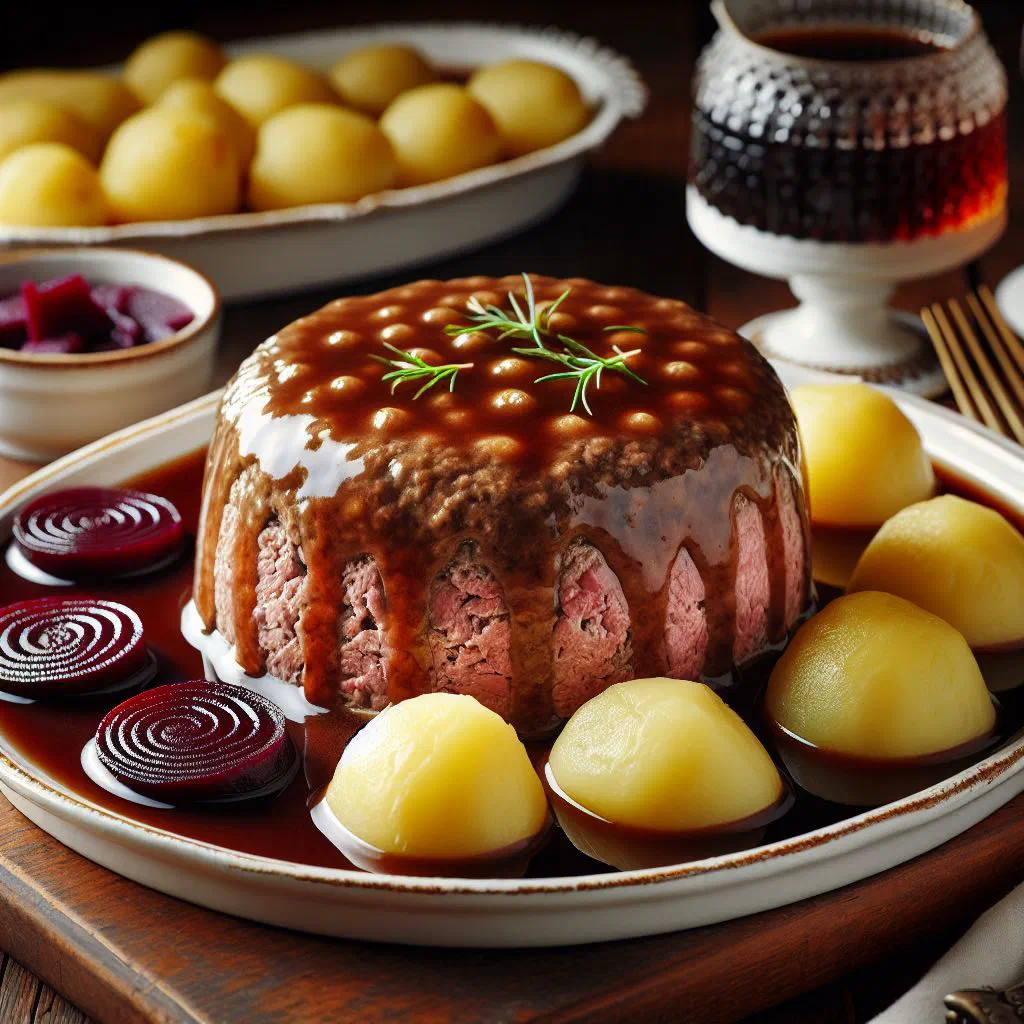
Discover Forloren Hare, the Danish classic whose name translates rather charmingly as “mock hare”. Tender minced meat is seasoned with fragrant herbs, shaped into the outline of a hare and roasted until golden, then finished with a silky cream sauce. It is honest, warming country cooking that turns an ordinary evening into something worth gathering around the table for, the very essence of Danish hygge on a plate.
About Forloren Hare
Forloren Hare is a traditional Danish dish with its roots in rural home cooking. The name means literally “false hare”, because the dish is built not from game but from minced meat shaped to resemble a hare. The combination of tender minced meat and aromatic herbs produces a wonderfully savoury result that belies its humble ingredients. More than a meal, it is a symbol of Danish cosiness and of family traditions passed down through generations.
Ingredients (serves 1–2)
- 300 g minced meat (beef or pork)
- 1 egg
- 1 onion, finely chopped
- 2 tablespoons breadcrumbs
- 1 teaspoon dried herbs (thyme, parsley)
- Salt and pepper to taste
- Oil for frying
- For the sauce: 200 ml single cream
- 2 tablespoons plain flour (or a gluten-free alternative)
Shopping for the ingredients
When shopping for forloren hare, pay particular attention to the quality of the minced meat, fresh, well-sourced meat makes a considerable difference to the finished flavour. Look for herbs that are either fresh or properly stored and still fragrant, as they carry much of the aroma of the dish. Everything else on the list is generally easy to find in any ordinary supermarket.
Preparing the dish
Preparation for forloren hare is straightforward and takes only a few steps. Begin by chopping the onion finely so it distributes evenly through the meat. Combine all the main ingredients in a bowl and knead them thoroughly until you have a smooth, even mixture. Shaping the meat into the characteristic hare form is the enjoyable part, and it is a job children love to help with.
Step-by-step instructions
- In a large bowl, mix the minced meat, onion, egg, breadcrumbs and herbs together well, then season with salt and pepper.
- Knead the mixture firmly until it is completely smooth and homogeneous.
- Shape the meat into the desired hare form and place it on an oiled baking tray.
- Roast in a preheated oven at 180°C for about 35–40 minutes, until golden brown.
- For the sauce, toast the flour in a small pan with a little oil, then add the cream. Stir well and let it simmer gently until thickened.
Gluten-free / lactose-free version
Making forloren hare gluten-free and lactose-free calls for only a couple of adjustments. Replace the breadcrumbs with gluten-free crumbs or fine oats, which bind the mixture just as effectively. For the sauce, a plant-based cream works beautifully in place of dairy. With these swaps, every guest at the table can enjoy the dish without a second thought.
Tips for vegans and vegetarians
To adapt forloren hare for vegans and vegetarians, swap the minced meat for a mixture of mashed beans, lentils or crumbled tofu. These alternatives give both a pleasing texture and a good source of protein. Be generous with the spices and herbs to build depth of flavour, since plant-based bases benefit from stronger seasoning. A plant cream rounds off the sauce and keeps the dish every bit as comforting.
More tips and tricks
A few small refinements make forloren hare even easier and tastier. Letting the meat mixture rest in the fridge for a while before shaping helps the flavours settle and makes it far simpler to form. Using a mixture of butter and oil when browning gives a particularly rich, aromatic result. The dish also reheats splendidly, which makes it an excellent choice when you are cooking ahead for a dinner party, much like a good Gammeldags Oksesteg.
Adapting the recipe to your taste
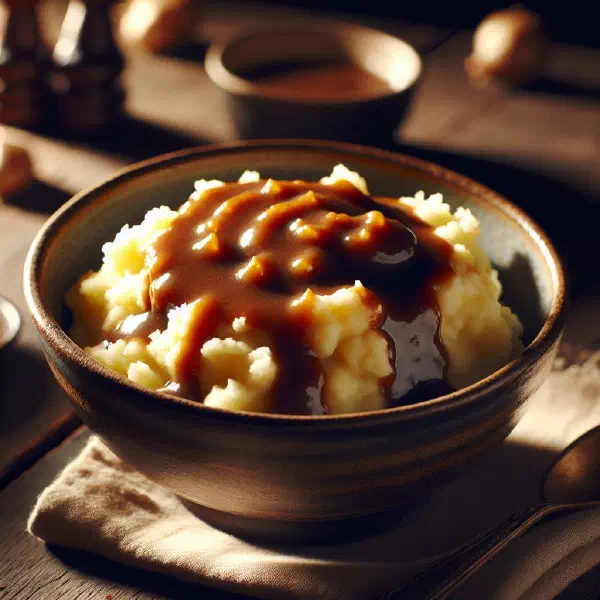
Personal preferences slot easily into the forloren hare recipe. Experiment with different herbs such as rosemary or oregano to shift the character of the dish. If you like a bit of heat, a pinch of chilli or a heavier hand with the pepper will do the job nicely. The side dishes are entirely up to you, potatoes, rice or a crisp salad all suit it well, and Kartoffelmos Med Brun Sovs is a particularly traditional partner.
Ingredient substitutions
Plenty of ingredients in forloren hare can be exchanged if you have an allergy or simply dislike something. The minced meat can give way to Quorn or another plant-based mince without losing the shape or the spirit of the dish. For a gluten-free version, specialist gluten-free rolls blitzed to crumbs stand in perfectly for ordinary breadcrumbs.
Drink pairing ideas
The right drink noticeably lifts the pleasure of forloren hare. A lightly chilled Danish beer is an outstanding match for such a hearty plate. If you prefer something alcohol-free, sparkling water with lemon or a homemade lemonade both work well, as does a glass of Hindbaerbrus. For special occasions, a good red wine complements the roasted, savoury notes handsomely.
Serving and presentation ideas
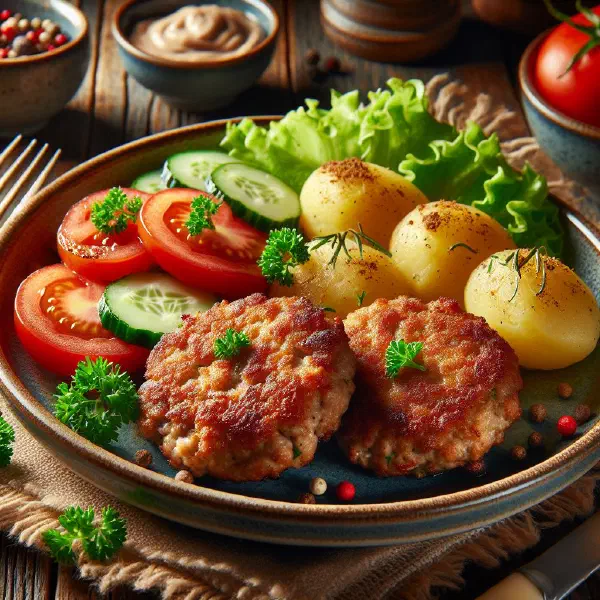
An attractive presentation turns forloren hare into a proper occasion. Serve the roast whole on a large platter, surrounded by colourful sides such as Rodkal and crisp roast potatoes. A scattering of fresh parsley gives the finishing touch. Offering the sauce separately in a small jug keeps the look neat and lets everyone help themselves.
A bit of history
Forloren hare has a long history in Danish culture and is a symbol of rural hospitality. Originally cooked by farming families, it later found its way onto restaurant menus across the country. It reflects the Danish tradition of creating simple yet deeply flavourful food from regional ingredients, a thread that runs through all of Danish cuisine. The knowingly false name “mock hare” says much about the inventiveness of the kitchens that first made it, conjuring something festive from the most modest of ingredients.
More recipe ideas
Summary: Forloren Hare
In short, forloren hare is far more than a meal; it is a slice of Danish culture and history that will charm your senses. With its hearty ingredients and uncomplicated method, it suits family suppers and celebrations equally well. This dish is bound to become a highlight of your cooking repertoire. Experience Danish cosiness with every single bite.