National Dish Denmark: Kærnemælkssuppe (Recipe)
In this article
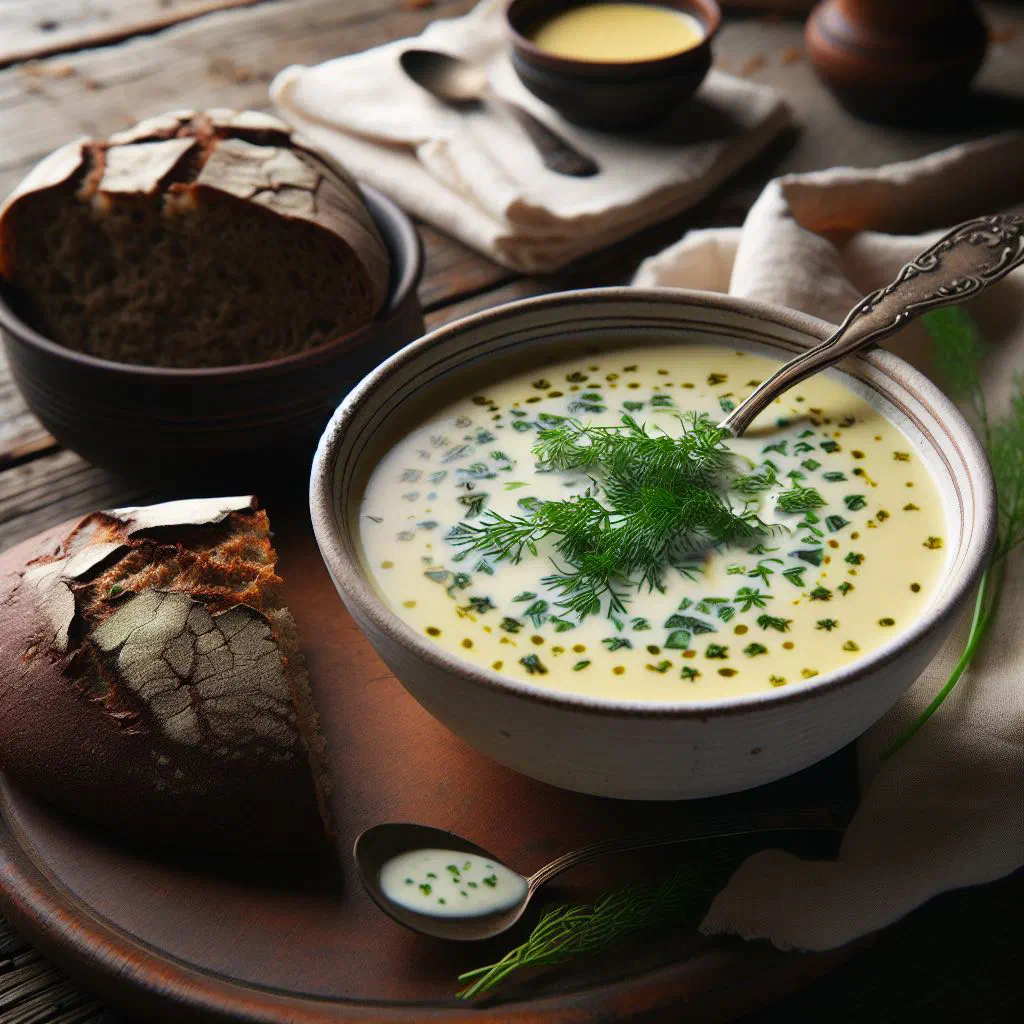
Meet Kærnemælkssuppe, Denmark’s wonderfully refreshing buttermilk soup. Cool, creamy and gently caramel-sweet, it comes together in minutes from a handful of everyday ingredients. No cooking required. Danes reach for it on warm summer days, either as a light pudding after dinner or as a chilled treat all on its own. Top it with whatever fruit is ripe and you have a bowlful of Nordic summer.
About Kærnemælkssuppe
Kærnemælkssuppe is a traditional Danish dish that comes into its own during the warmer months. Its charm lies in the unusual pairing of tangy buttermilk with a delicate caramel-and-vanilla sweetness, giving a refreshing, creamy spoonful that children and adults love in equal measure. More than just a pudding, it is a small piece of Danish culture, a dish that puts simplicity and the freshness of good ingredients firmly in the foreground.
Ingredients (serves 1–2)
- 500 ml buttermilk
- 100 g sugar
- 1 teaspoon vanilla extract
- 1 pinch of salt
- Fresh fruit of your choice (berries or peaches, for example)
Shopping for the ingredients
When shopping for Kærnemælkssuppe, quality really does show in the finished bowl. The buttermilk is the heart of the dish, so choose a fresh carton from the chiller cabinet rather than something that has been sitting around. Good sugar and a proper vanilla extract rather than a synthetic flavouring will give you the roundest aroma. Seasonal fruit adds extra freshness and lifts the nutritional value at the same time.
Preparing the dish
Getting ready for Kærnemælkssuppe is quick and straightforward. Measure out all your ingredients first so the assembly runs without interruption. Make sure the buttermilk is thoroughly chilled, as the cold is what gives the soup its refreshing character. Presentation matters too, so wash and slice your fruit before you begin, Danish cooks take the same relaxed, prepare-first approach with a bowl of Koldskål.
Step-by-step instructions
- Pour the buttermilk into a bowl and add the sugar.
- Scatter in a pinch of salt and stir through the vanilla extract.
- Whisk everything thoroughly until the sugar has dissolved completely.
- Serve in bowls and garnish with fresh fruit.
Gluten-free / lactose-free version
Kærnemælkssuppe is naturally gluten-free, since it consists of nothing more than dairy, sugar and flavouring. For a lactose-free version, simply use one of the lactose-free buttermilks now stocked by most supermarkets. Do check that the sugar and any additions you make are free from hidden dairy derivatives as well. With those small adjustments, anyone with a lactose intolerance can enjoy this Danish speciality.
Tips for vegans and vegetarians
Vegans can make Kærnemælkssuppe too, using plant-based alternatives. In place of buttermilk, use almond or soya milk soured with a little lemon juice or vinegar to mimic that characteristic tang. These plant milks give the soup a pleasingly creamy body and make it entirely suitable for a vegan diet. As always, check the remaining ingredients for hidden animal products before you start.
More tips and tricks
To make Kærnemælkssuppe that bit more interesting, play with additional flavours. A squeeze of lemon juice or a drizzle of honey brings a sweet, bracing note, while different fruits, berries, tropical fruit or stone fruit, open up entirely new combinations. Fresh herbs such as mint refine the flavour profile still further. Chilling the finished soup for half an hour before serving also deepens the taste.
Adapting the recipe to your taste
One of the great virtues of Kærnemælkssuppe is how flexible it is. Adjust the amount of sugar to suit your palate, or swap in an alternative sweetener altogether. If fruit is not your thing, enjoy the soup plain or scatter over a few toasted nuts for texture. A standard recipe is always a good foundation, but folding in your own preferences is what makes a dish yours.
Ingredient substitutions
If some of the ingredients for Kærnemælkssuppe are not to hand, there are plenty of options. Instead of white sugar, try coconut sugar or maple syrup for a different depth of sweetness. Frozen fruit works perfectly well when fresh is unavailable, as it can be stirred straight into the cold soup, much the way berries are used in a bowl of Rødgrød med Fløde.
Drink pairing ideas
Several drinks sit beautifully alongside a refreshing Kærnemælkssuppe. A light sparkling water or a glass of elderflower cordial makes an ideal partner, and a fruity iced tea complements the soup’s sweetness nicely. For special occasions, a glass of prosecco or a crisp white wine underlines the delicate vanilla notes. On a hot afternoon, a chilled Hindbærbrus is the classic Danish choice.
Serving and presentation ideas
Presentation can make all the difference in whetting the appetite for Kærnemælkssuppe. Use pretty bowls and garnish generously with freshly sliced fruit, mint leaves or edible flowers. A dusting of cinnamon or icing sugar adds a final touch of colour and aroma. A little creativity at the serving stage turns even the simplest bowl into something memorable.
A bit of history
Kærnemælkssuppe has its roots deep in Danish tradition, born of the practical need to use up the buttermilk left over from churning butter. For generations of Danish families, buttermilk was a staple rather than a luxury, and nothing went to waste. As prosperity grew, the soup made its way from thrift dish to a refreshing dessert served in homes across the country. It remains a fine emblem of the simplicity and clarity of flavour that define Danish cuisine.
More recipe ideas
Summary: Kærnemælkssuppe
Kærnemælkssuppe is far more than a simple bowl of soup; it captures the essence of the Danish kitchen. It is easy to make, refreshing and surprisingly satisfying. It offers endless room for adjustment to your own taste. Let a little Danish culture inspire you and give this delicious recipe a go in your own kitchen.