National Dish Denmark: Kanelsnegle (Recipe)
In this article
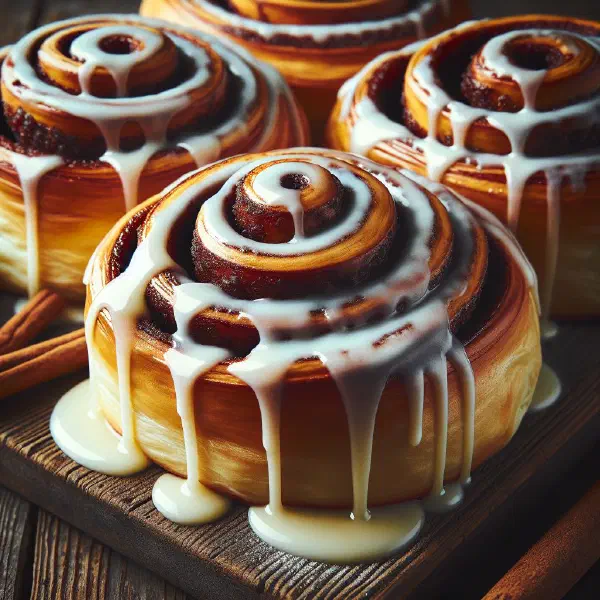
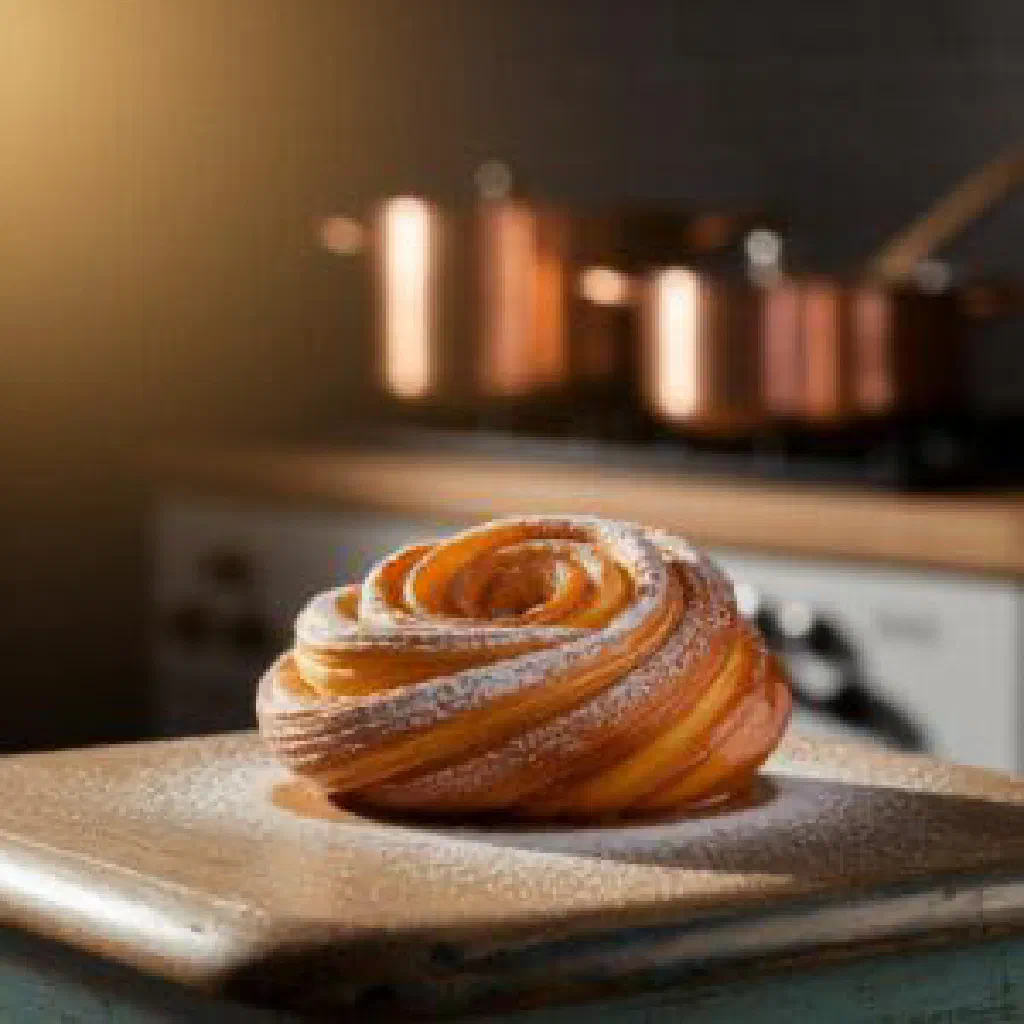
Few things say Denmark quite like a tray of warm Kanelsnegle fresh from the oven. These spiralled cinnamon buns pair a soft, buttery yeast dough with a fragrant filling of cinnamon and brown sugar, then finish under a thin veil of sweet icing. They belong to the Danish ritual of hygge, good coffee, unhurried conversation and something sweet on the table. Bake a batch and your whole kitchen will smell of a Copenhagen bakery.
About Kanelsnegle
Kanelsnegle are far more than simple cinnamon rolls; they are a piece of Danish culture and history. What sets them apart is the light, airy dough, supple and easy to work with, wrapped around a filling of aromatic cinnamon and sugar. A glaze of icing sugar and water rounds off the flavour perfectly. Whether they appear at a leisurely coffee morning or as a weekend breakfast treat, Kanelsnegle win over everyone at the table.
Ingredients (serves 1–2)
- 250 g plain flour
- 50 g butter
- 30 g sugar
- 1/2 sachet dried yeast
- 1/4 teaspoon salt
- 100 ml milk
- 1 teaspoon ground cinnamon
- 30 g soft brown sugar
- For the icing: 50 g icing sugar and a little water
Shopping for the ingredients
Making Kanelsnegle begins with shopping well. Choose fresh, good-quality basics so the flavours come through fully. When buying flour, look for a type that suits enriched yeast doughs, a strong plain or bread flour works best. The butter should be fresh too, since it contributes a great deal to the taste of the dough. It also helps to weigh out and lay out everything in advance so the baking runs smoothly from start to finish.
Preparing the dish
Before you start mixing, good preparation makes all the difference. The dough needs time to rise, so it pays to get it going early. Warm the milk gently so the yeast activates properly, hot milk will kill it. Measure every ingredient accurately for a reliable result, and set aside enough time for the dough to rest undisturbed until it reaches full volume. The same unhurried approach rewards you when baking a Brunsviger or a classic Kringle.
Step-by-step instructions
- Warm the milk and dissolve the yeast in it. In a large bowl, combine the flour, sugar and salt.
- Add the dissolved yeast and the room-temperature butter, then knead everything into a smooth dough.
- Cover the dough and leave it somewhere warm for about 1 hour, until doubled in size.
- Roll the risen dough out on a floured work surface and scatter over the cinnamon-sugar mixture.
- Roll the dough up, cut it into even pieces, place them on a baking tray and leave to prove for another 30 minutes.
- Bake in a preheated oven at 180°C for roughly 20–25 minutes, until the Kanelsnegle are golden brown.
- Mix the icing sugar with a little water and brush it over the buns while they are still warm.
Gluten-free / lactose-free version
Kanelsnegle adapt easily to particular dietary needs. For a gluten-free version, use a good gluten-free flour blend in place of the wheat flour, and check that the other ingredients, yeast and milk included, are gluten-free as well. For a lactose-free variant, simply reach for lactose-free milk and margarine. These small swaps mean everyone can enjoy this Danish speciality without giving up any of the flavour.
Tips for vegans and vegetarians
If you are after a vegan version, there are several straightforward options. Replace the butter with plant-based margarine or coconut oil, and use a plant milk such as soya or almond drink. The sugar can also be swapped in many recipes for alternatives like maple syrup or agave nectar. These adjustments let you enjoy delicious Kanelsnegle without stepping outside your usual way of eating.
More tips and tricks
To get Kanelsnegle exactly right, a few tricks are worth knowing. Make sure the ingredients are at room temperature so the yeast activates readily. Vary the cinnamon filling as you like by adding chopped nuts or raisins. It is also worth brushing the buns with a beaten egg before baking for a lovely golden finish. Experiment with different spices and you will discover whole new flavour directions.
Adapting the recipe to your taste
Tailoring the recipe to personal preference is part of the fun. If cinnamon is not for you, try other spices such as cardamom or vanilla, the same warmth that lifts a batch of Vaniljekranse. For extra sweetness, add chocolate chips or finish the buns with a chocolate glaze. That kind of creativity gives your cinnamon buns a personal signature and keeps you coming back with new variations.
Ingredient substitutions
If you are missing one or two ingredients for your Kanelsnegle, plenty of substitutions work well. Instead of ordinary wheat flour, spelt flour makes a wholesome choice. The soft brown sugar can be replaced with coconut sugar for a deeper, more caramel-like sweetness. And if you would rather not warm the milk, lukewarm water will do at a pinch. There are many ways to vary the recipe without the flavour suffering.
Drink pairing ideas
A whole range of drinks suits freshly baked Kanelsnegle. A classic Danish filter coffee or an aromatic tea such as chai or rooibos harmonises beautifully with the cinnamon. A cup of hot chocolate is another lovely match, particularly on a cold afternoon. Remember that the right drink rounds off the whole experience and deepens the flavours. Choose whatever fits the moment you are creating.
Serving and presentation ideas
Presentation can lift the pleasure of Kanelsnegle even further. Arrange the buns on an attractive plate and dust them lightly with icing sugar. Fresh fruit or edible flowers make pretty decoration and add colour to the spread. Do not forget to include a handsome coffee cup or a glass that suits your drink of choice. An inviting arrangement turns a simple bake into something memorable, whether for two people or a full table.
A bit of history
The story of Kanelsnegle reaches a long way back and is closely bound up with Danish cuisine. Cinnamon buns were originally baked in Denmark for special occasions, and over time the recipes evolved, distinguished by the use of regional ingredients. The combination of fragrant cinnamon and soft, enriched dough made them a favourite snack for everyday life as much as for celebrations, much like the pastries served at a Julefrokost. Today they are a symbol of Danish coffee culture and sweeten countless ordinary days.
More recipe ideas
Summary: Kanelsnegle
In short, Kanelsnegle are a wonderful way to bring a piece of Danish culture into your own kitchen. With their aromatic cinnamon, airy dough and sweet icing, they are a genuinely enjoyable thing to make. A few simple adjustments make them suitable for a range of dietary needs. Let this recipe inspire you and bake your own batch, family and friends alike will be pleased.