National Dish Denmark: Øllebrød (Recipe)
In this article
Meet Øllebrød, one of Denmark’s most comforting and quietly ingenious dishes. Dark rye bread is simmered with beer until it collapses into a thick, glossy porridge, then sweetened and spiced and crowned with cool vanilla sauce. It is warming, faintly malty and altogether unlike anything else on the breakfast table. Few recipes carry so much Danish history in so few ingredients.
About Øllebrød
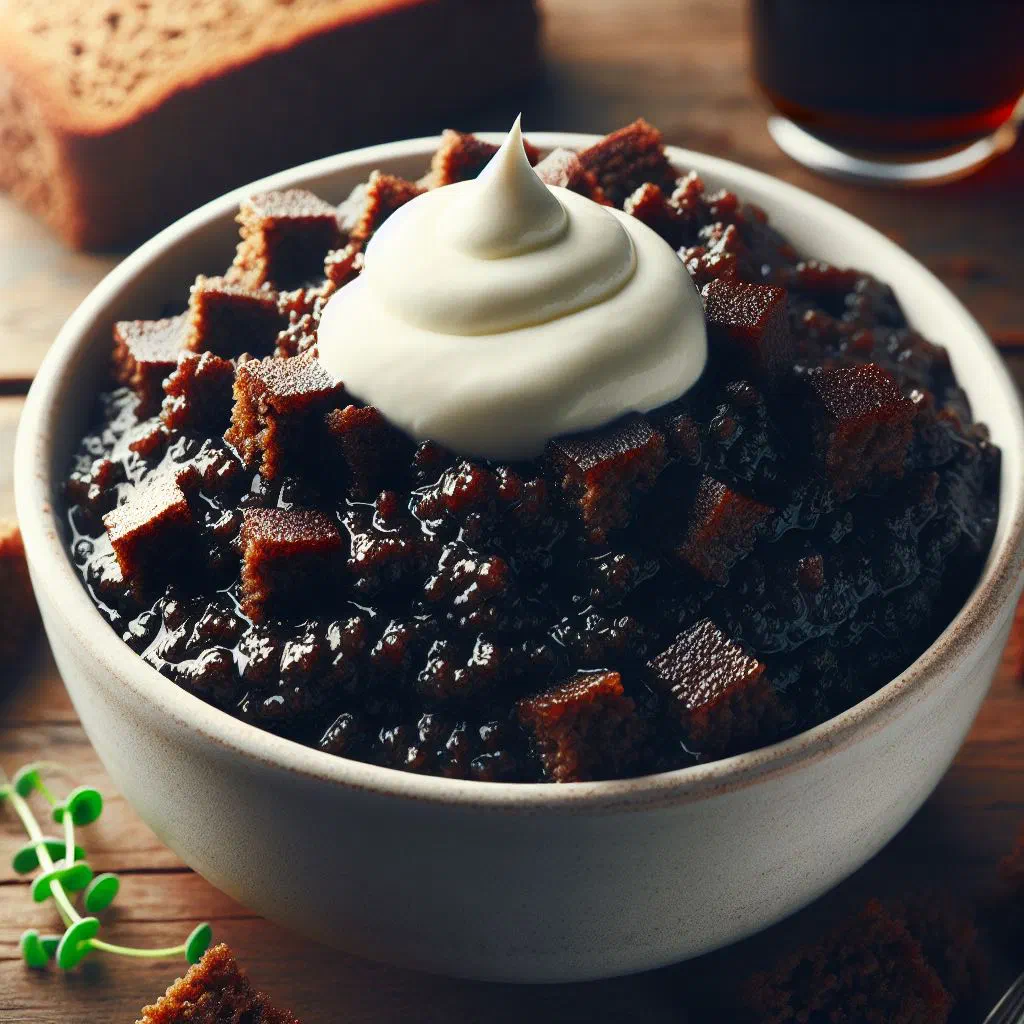
Øllebrød is a traditional Danish dish made from dark rye or pumpernickel bread and beer. The combination gives it a flavour all of its own, sitting somewhere between sweet and savoury, with the malty depth of the beer running through everything. The dish has a long history and is usually served with creamy vanilla sauce or fresh berries to round out the flavours. Øllebrød is perfect for cold days, offering more than a filling meal but a genuine piece of Danish culture on your table.
Ingredients (serves 1–2)
- 150 g pumpernickel or dark rye bread
- 500 ml dark beer
- 100 ml water
- 2 tablespoons sugar
- 1 teaspoon ground cinnamon
- Vanilla sauce, to serve
- Fresh berries, to serve
Shopping for the ingredients
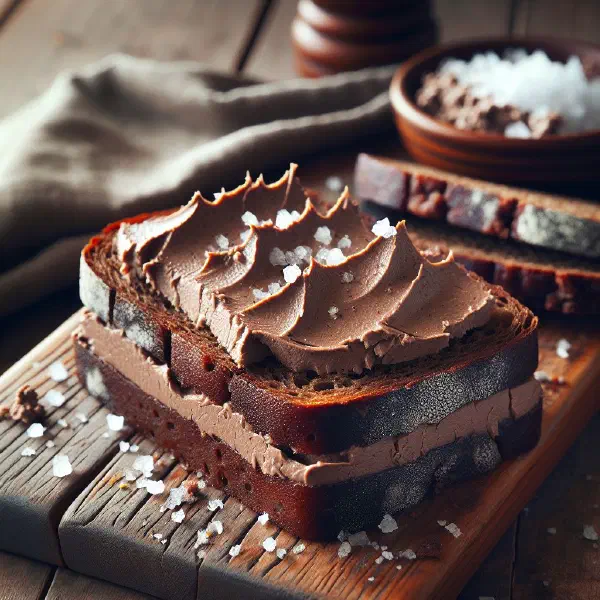
When you are getting ready to make øllebrød, it pays to shop carefully. Head to a local supermarket or a specialist food shop for pumpernickel bread and a good dark beer. Choose quality ingredients wherever you can, as they make a real difference to the finished dish. The beer in particular is decisive: it shapes both the aroma and the final consistency, much as good rye bread does in a plate of Rugbrød med Leverpostej.
Preparing the dish
Before you start cooking øllebrød, lay out all your ingredients. Cut the pumpernickel bread into small pieces so it breaks down easily during cooking. Measure the rest carefully so the ratios stay right, since the balance of bread to liquid decides the texture. Good preparation keeps the cooking smooth and lets you make the dish without any stress.
Step-by-step instructions
- Crumble the pumpernickel bread into a large bowl.
- Heat the beer and water in a pan until they come to the boil.
- Pour the hot liquid over the breadcrumbs and stir well.
- Add the sugar and cinnamon and let the mixture simmer over low heat for 10–15 minutes.
- Stir occasionally until the consistency turns thick and creamy.
- Serve the øllebrød warm, garnished with vanilla sauce and fresh berries.
Gluten-free / lactose-free version
For anyone following a gluten-free or lactose-free diet, øllebrød adapts without much trouble. Use a gluten-free dark bread in place of pumpernickel, and check that the beer is a certified gluten-free variety. For the topping, choose a lactose-free or plant-based vanilla sauce. That way you can still enjoy this hearty classic without giving up the ingredients that matter to you.
Tips for vegans and vegetarians
Vegans and vegetarians have an easy time here too. Swap the dairy vanilla sauce for a plant-based alternative made with oat, soya or coconut milk. You may want to add a little extra sugar, as vegan sauces are often less sweet than the traditional version. With these small adjustments, the dish stays every bit as satisfying, the same trick works nicely for Risengrød.
More tips and tricks
To get the best from your øllebrød, let it rest for a while so the flavours can knit together properly. Experiment with different beers to draw out different characters, a dark lager gives a rounder result, a stout a more roasted one. You can also add spices such as nutmeg or a strip of orange zest to give the dish a personal signature.
Adapting the recipe to your taste
Everyone’s palate is different, and øllebrød is easy to steer in your own direction. For a less sweet version, cut back on the sugar or try different toppings. If you like a bit of contrast, scatter over toasted nuts or seeds for extra texture and crunch. Whipped cream is another popular finish, much as it is with Rødgrød med Fløde.
Ingredient substitutions
If you do not have every ingredient to hand, there are several good alternatives. Instead of pumpernickel, any other dense dark bread will do, and a dark lager or ale both work in place of a specialist beer. Rather than vanilla sauce, mix coconut or almond milk with a little sugar for a delicious vegan option. Substitutions like these keep the recipe flexible and open up new flavour combinations.
Drink pairing ideas
Øllebrød goes beautifully with drinks that echo its own flavours. A glass of chilled Danish beer is the obvious match, picking up the malty notes in the bowl. For an alcohol-free option, serve an aromatic tea or sparkling water with a twist of lemon. The right drink rounds out the whole experience and makes the meal that much more enjoyable.
Serving and presentation ideas
The presentation of øllebrød can be a treat for the eye as well as the palate. Serve it in attractive bowls and garnish with a generous spoonful of vanilla sauce and fresh berries. Colourful fruit creates a lovely contrast against the dark colour of the porridge. Alongside a spread of Smørrebrød, it makes for a table your guests will remember.
A bit of history
Øllebrød has its origins in traditional Danish home cooking and was once a simple dish for poorer households. It was made mostly from leftover bread and beer that had gone flat and was no longer worth drinking, thrift turned into breakfast. Over time it grew into a much-loved national dish served in kitchens across the country, particularly for children. That cultural weight shows how deeply it is woven into Danish cuisine and why it is still celebrated today.
More recipe ideas
Summary: Øllebrød
Øllebrød is more than just a dish; it is a mirror of Danish culture and a mark of tradition and craft. With its simple preparation and its many possible variations, it gives everyone the chance to enjoy a genuinely distinctive taste. Whether served warm on cold winter evenings or as a sweet start to the day, øllebrød is something everyone should try at least once. Let the flavours and the history of this Danish classic win you over.