National Dish Denmark: Røget Sild (Recipe)

In this article
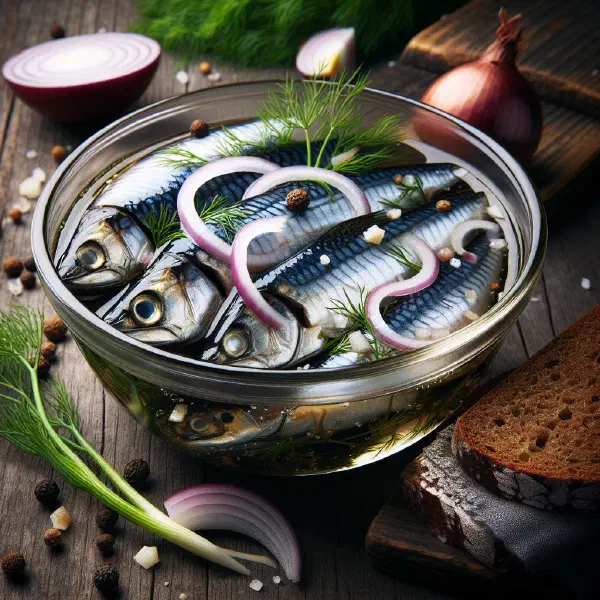
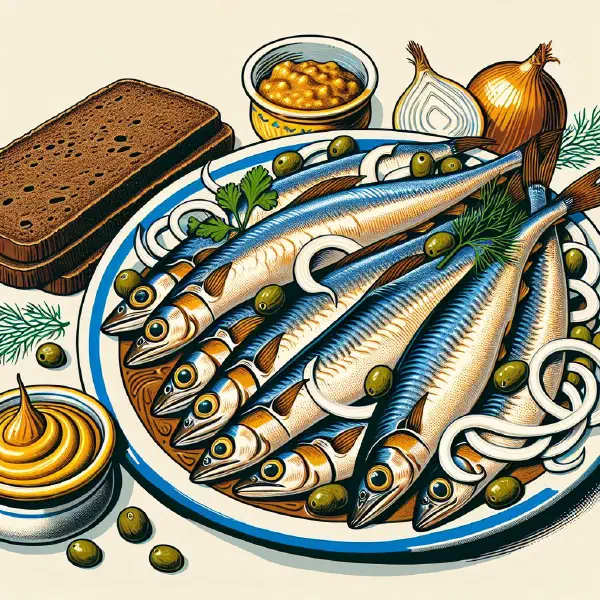
Meet Røget Sild, Denmark’s much-loved plate of smoked herring. Silky, golden fillets meet sharp onion rings, a spoonful of mustard sauce and a slice of good bread, simple food that tastes of the North Sea and of long afternoons spent around a table with friends. It is the kind of dish that needs almost no cooking yet always feels generous, whether you serve it as a starter or as the centrepiece of a relaxed lunch.
About Røget Sild
Røget Sild is a traditional Danish dish built around smoked herring. It is not only a delicacy but a genuine fixture of Danish eating culture, appearing at family gatherings, festive buffets and everyday lunches alike. The combination of fresh bread, sliced onion and tangy mustard sauce is what makes it so moreish: each element cuts through the richness of the fish and keeps every mouthful lively. Enjoy it as part of a sociable spread or as an elegant opening course.
Ingredients (serves 1–2)
- 200 g smoked herring fillets
- 1 large onion
- 2 tablespoons mustard sauce
- 1 baguette or loaf of rye bread
- Fresh parsley, to garnish
Shopping for the ingredients
To make Røget Sild you need good, fresh ingredients, and a well-stocked supermarket or a weekly market will usually have everything. Look for high-quality smoked herring with firm, glossy flesh, the aroma of the fish carries the whole dish, so it is worth being fussy. The mustard sauce is ideally homemade, or else from a producer you trust. Where possible, choose regional products; local fish and local bread noticeably raise the quality of the finished plate.
Preparing the dish
Before you start assembling, get everything ready. Slice the onion into thin rings so its sharpness spreads evenly and lifts the flavour of the fish rather than overwhelming it. Cut the bread fresh, as it forms the base for everything else and quickly loses its charm once it dries out. Having all the components laid out in advance makes serving effortless, much like preparing a classic Smørrebrød platter, where the assembly is half the pleasure.
Step-by-step instructions
- Arrange the smoked herring fillets on a serving plate.
- Scatter the onion rings evenly over the fish.
- Spoon the mustard sauce generously over the top.
- Serve the freshly cut bread alongside.
- Garnish with fresh parsley to finish the plate.
Gluten-free / lactose-free version
For a gluten-free version of Røget Sild, simply swap the baguette for one of the many good gluten-free breads now available, and check that the remaining ingredients are gluten-free too. The main components contain no lactose, but it is worth reading the label on your mustard sauce if you are sensitive, as some versions are enriched with cream. With those two small adjustments, the dish can be enjoyed without restriction.
Tips for vegans and vegetarians
Although Røget Sild is traditionally made with herring, plant-based alternatives work surprisingly well. Smoked tofu, sliced thinly and lightly salted, echoes the savoury, smoky character of the fish. Pair it with a vegan mustard sauce and you have a tasty meat-free take on the classic. It is a good way to let guests on any diet share in Danish food culture without feeling left out.
More tips and tricks
To deepen the flavour of Røget Sild, marinate the fillets for a few hours before serving. A little black pepper or a spoonful of freshly grated horseradish adds welcome bite and cuts through the oiliness of the fish. Experiment with different mustard sauces, from mild and sweet to fiercely sharp, until you find the balance you like best. Small changes of this kind reveal new flavour combinations every time.
Adapting the recipe to your taste
This recipe adapts beautifully to personal preference. If you like things spicier, a pinch of chilli powder or cayenne pepper in the sauce does the job neatly. For a sweeter note, honey mustard makes an excellent variation, softening the smokiness of the herring. Be creative and follow your own instincts, the dish is forgiving and rewards experimentation, in the same spirit as the many regional versions of Marinerede Sild.
Ingredient substitutions
If fresh smoked herring is hard to find, tinned herring is a perfectly good stand-in; just drain it well so the flavour stays clean rather than watery. Cured herring such as Spegesild also works if you want a sharper, saltier profile. For the sauce, a little curry powder or other warm spices creates an unexpected but delicious variation. Trust your palate and you will find plenty of workable alternatives.
Drink pairing ideas
Røget Sild calls for drinks that refresh rather than compete with the fish. A cold lager or a Danish cider is an excellent match, its crispness balancing the smoke and salt. Wine drinkers might choose a dry white wine with good acidity, which pairs naturally with oily fish. A small glass of chilled aquavit is the traditional Danish choice and rounds off the experience perfectly.
Serving and presentation ideas
Presentation matters as much here as flavour. Arrange the Røget Sild on a decorative plate so the colours of the ingredients, silver fish, white onion, green parsley, show to full effect. Garnish with fresh parsley and elegantly sliced onion for an appetising finish. Add a board of dark rye and a little butter, as you would for Rugbrød med Leverpostej, and the table looks instantly generous.
A bit of history
Røget Sild originates on Denmark’s coastline and reflects the country’s rich maritime tradition. Smoking was born of pure necessity: it preserved the day’s catch long before refrigeration existed, and the smokehouses of Bornholm in particular became famous for the craft. Today the dish is valued not only for its taste but as a piece of Danish cultural history, handed down through the generations. It remains a fixture of festivities and gatherings throughout the country and a cornerstone of Danish cuisine.
More recipe ideas
Summary: Røget Sild
In short, Røget Sild is an exquisite Danish dish that captures the culture and gastronomy of the country perfectly. It is versatile, remarkably easy to prepare and readily adapted to different tastes and dietary needs. It never fails to please. Give it a try and let a piece of Danish tradition win you over.