National Dish Denmark: Småkager (Recipe)
In this article
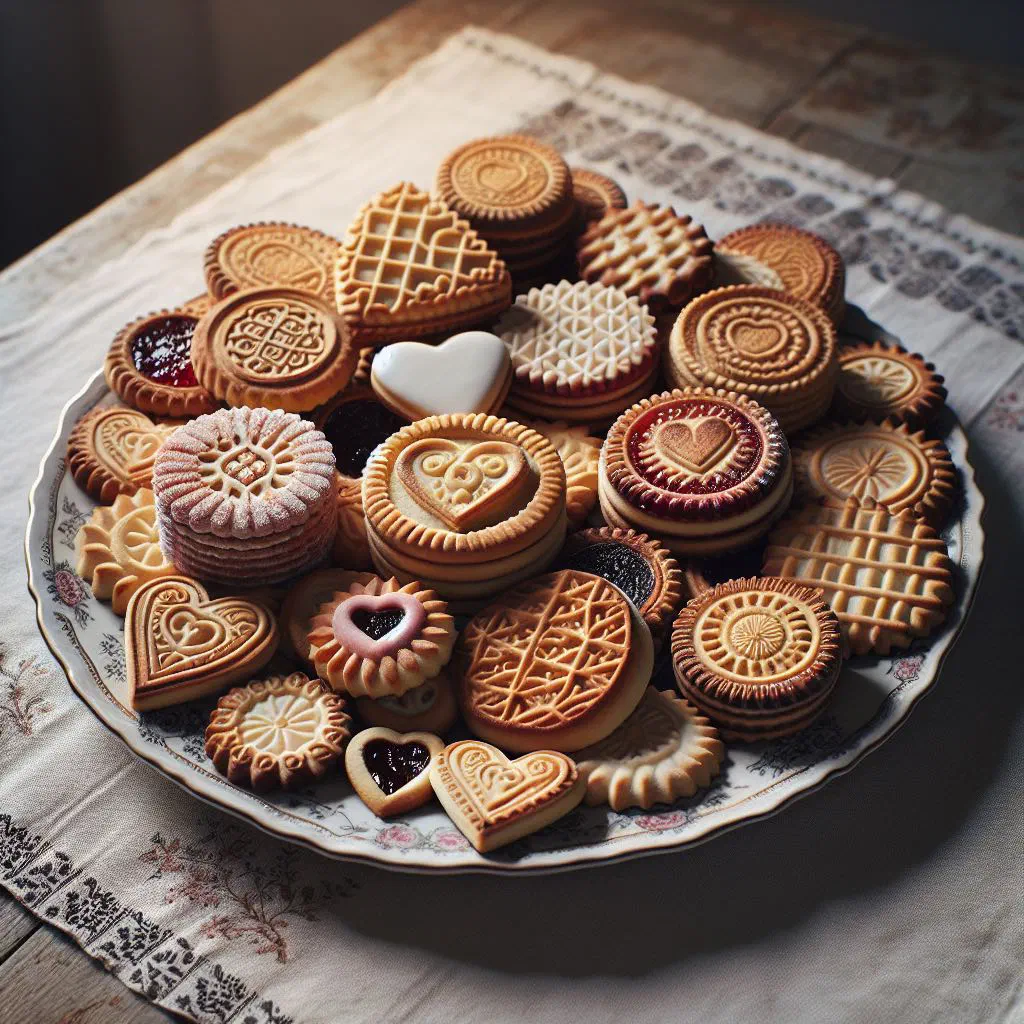
Discover Småkager, the little Danish biscuits that turn an ordinary afternoon into something worth lingering over. Buttery, crisp and endlessly variable, they are baked across Denmark for Christmas, weddings and every excuse in between. They look as good as they taste, which is why they so often arrive tied up in ribbon as a gift. Best of all, they are genuinely easy to make, and they belong beside a strong cup of coffee.
About Småkager
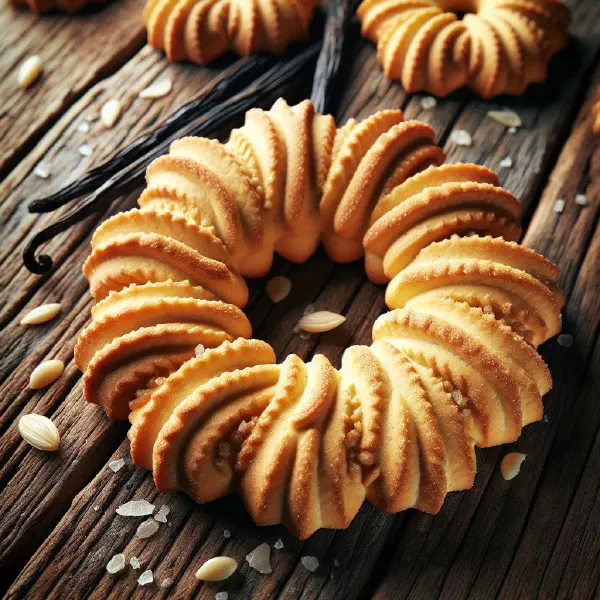
Danish Småkager are small, delicate biscuits traditionally baked for special occasions. They are a treat for the eyes as much as the palate: the range of shapes, colours and finishes makes them a much-loved present and the perfect companion to a cup of coffee or tea. Whether crisp and buttery or studded with nuts, there is a version of Småkager for every taste, which is exactly why Danish households keep several recipes in rotation.
Ingredients (serves 1–2)
- 200 g plain flour
- 100 g caster sugar
- 100 g butter
- 1 egg
- 50 g chopped nuts (of your choice)
- 1 tsp vanilla sugar
- A pinch of salt
Shopping for the ingredients
When shopping for your Småkager, quality matters more than quantity. Good ingredients guarantee the best flavour and the most reliable result. Visit a local market for fresh produce, or choose organic ingredients if you want biscuits free from artificial additives. The butter and the nuts in particular have an outsized effect on the finished taste, so pick them with care.
Preparing the dish
Getting ready to bake Småkager is refreshingly straightforward. Heat the oven to 180 °C first so it is properly up to temperature by the time the dough is ready. Make sure all the ingredients are at room temperature before you begin mixing, as this noticeably improves the consistency of the dough. Finally, line your baking tray with baking parchment so the biscuits release cleanly once baked.
Step-by-step instructions
- Cream the butter and sugar together in a large bowl until pale and light.
- Add the egg and mix thoroughly.
- Add the flour, vanilla sugar and a pinch of salt, and work everything into a smooth dough.
- If using, add the chopped nuts and knead them in briefly.
- Place small portions of dough on the prepared tray and flatten them slightly.
- Bake in the preheated oven for about 10–12 minutes, until golden brown.
- Leave the biscuits to cool on a wire rack.
Gluten-free / lactose-free version
A gluten-free version of these Småkager is simple: use a good gluten-free flour blend and check that the remaining ingredients are gluten-free too. For a lactose-free batch, swap in lactose-free butter. With these small adjustments, anyone following a special diet can enjoy the biscuits, much like the adaptable batter behind Danish Vafler.
Tips for vegans and vegetarians
A vegan version works well too. Replace the egg with a suitable alternative such as apple purée or soaked linseed, and use plant-based butter in place of dairy butter. Choose your nuts with any allergies or sensitivities in mind, or leave them out altogether. The biscuits lose none of their charm in the process. They simply become suitable for a wider table.
More tips and tricks
The single most important tip for Småkager is not to overbake them. They should be only lightly golden when they come out of the oven; they firm up as they cool. Chilling the dough for around 30 minutes before baking also improves both texture and flavour. Beyond that, play with additions such as cinnamon or chocolate chips to develop your own house version.
Adapting the recipe to your taste
The joy of Småkager is how forgiving the recipe is. Swap or add ingredients freely to suit your preferences. If nuts are not your thing, leave them out or replace them with dried fruit or chocolate chips. The sweetening can vary as well, honey or agave syrup instead of sugar gives a different, softer flavour profile. Danish baking has always rewarded this kind of tinkering, as the many versions of Vaniljekranse show.
Ingredient substitutions
Did you know Småkager can be made with other flours entirely? Almond flour or buckwheat flour lends a pleasantly nutty note. There are plenty of alternative sweeteners too, coconut sugar or stevia are the healthier option for many bakers. If you want more texture in your biscuits, stir in a handful of oats. Experiment until you find the combination that suits your taste.
Drink pairing ideas
Several drinks show off homemade Småkager at their best. A strong, freshly brewed coffee is the classic Danish pairing and balances the sweetness beautifully. A mild tea such as Earl Grey, or an aromatic fruit tea, works just as nicely. For festive occasions, mulled wine makes a wonderfully cosy match during the winter months, the same hygge spirit that surrounds a bowl of Sødsuppe.
Serving and presentation ideas
To present your Småkager with style, use a pretty glass jar or a decorative bowl. A few fresh flowers or small seasonal decorations create an inviting look. Clear cellophane bags filled with biscuits and tied with a ribbon make an excellent edible gift. Remember that presentation is already part of the pleasure, Danes take this as seriously as the baking itself.
A bit of history
The tradition of Småkager comes from Denmark and has been passed down through generations. Originally they were baked for special occasions such as weddings and holidays. Over time a wide range of recipes and regional variations became established, each reflecting a facet of Danish culture. These small biscuits have long since travelled beyond Denmark’s borders and now enjoy a devoted following in many countries, a sweet ambassador for Danish cuisine alongside savoury staples like Smørrebrød.
More recipe ideas
Summary: Småkager
Danish Småkager are a delicious addition to any coffee table, and their appeal reaches far beyond Denmark. These small biscuits are easy to make and endlessly variable. The result will win people over. Let them inspire you, and treat family and friends to a batch of these tender little bakes.