National Dish Denmark: Smørrebrød (Recipe)
In this article
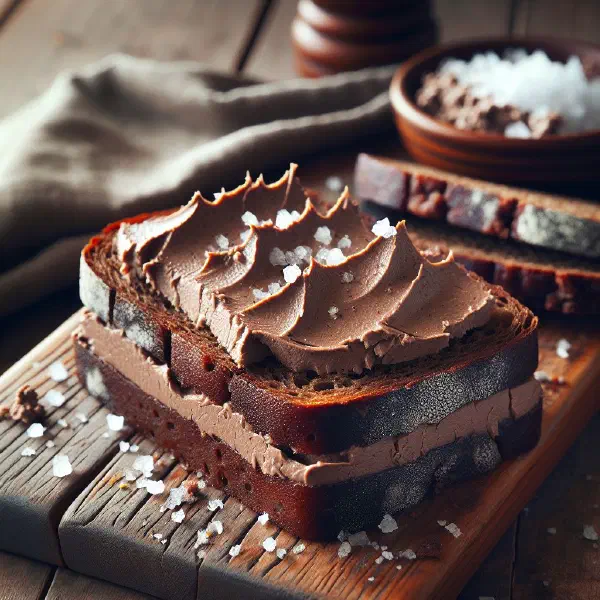
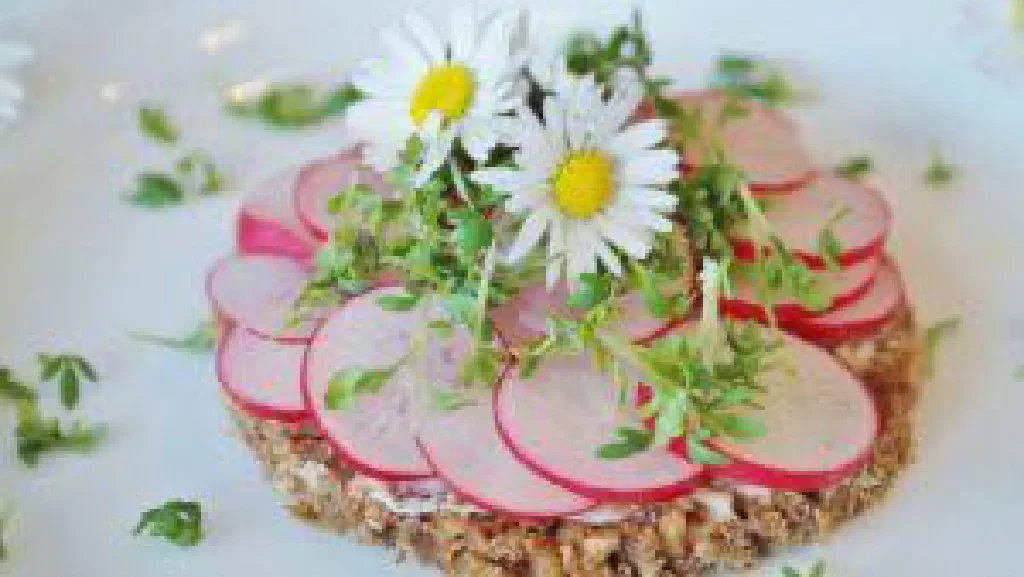
Meet Smørrebrød, the open sandwich that Denmark has turned into a small work of art. A slice of dense, dark rye bread, a generous layer of butter and a carefully chosen topping. That is all it takes, and yet no two plates ever look quite the same. It is everyday food and celebration food at once, quick enough for a weekday lunch and handsome enough for guests. Once you start assembling your own, you will see why the Danes never tire of it.
About Smørrebrød
Smørrebrød is the Danish national dish in its most honest form: a moist, well-flavoured slice of rye bread dressed with whatever topping the cook fancies that day. It has been part of everyday Danish life for generations and remains as popular as ever, from lunch tables at home to smart restaurants in Copenhagen. The appeal lies in its simplicity, a handful of good ingredients, no complicated technique, combined with an almost endless range of flavours. Few dishes manage to be so plain and so varied at the same time.
Ingredients (serves 1–2)
- 2 slices rye bread
- 2 tablespoons butter
- 2 tablespoons soured cream
- 2 tablespoons sliced onion
- 2 tablespoons sliced cucumber
- 1 tablespoon chopped parsley
- 1 tablespoon mustard
- Salt and pepper to taste
Shopping for the ingredients
When you are shopping for smørrebrød, quality matters far more than quantity. Because the dish leans on so few components, each one has to pull its weight, so look for fresh, good-quality produce wherever you can. A proper dark rye loaf from a bakery makes a noticeable difference compared with a supermarket sliced pack, and firm, crisp cucumbers and onions will hold their texture on the bread. Simple food rewards careful shopping.
Preparing the dish
Slice the onions and cucumber, chop the parsley and have the mustard within reach, so everything is ready to go into the pan at the right moment. It also helps to bring the butter and the soured cream up to room temperature or gently warm them, as they blend together far more smoothly that way. With everything prepped, the dish comes together in minutes.
Step-by-step instructions
- Melt the butter in a frying pan over a medium heat.
- Add the onion, cucumber, parsley and mustard and sauté briefly.
- Stir in the soured cream and mix everything together well.
- Spread the mixture evenly over the slices of rye bread.
- Season to taste with salt and pepper.
- Serve the bread with its topping while still fresh.
Gluten-free / lactose-free version
Smørrebrød adapts easily for particular diets. For a gluten-free version, swap the rye bread for one of the many gluten-free loaves now available, look for a dark, seeded one, as it comes closest to the dense character of the original. To make the dish lactose-free, use a plant-based margarine in place of butter and a soya or oat-based soured cream alternative. Neither change costs you much in flavour.
Tips for vegans and vegetarians
In the form given here the dish is already vegetarian, and making it fully vegan takes only two small swaps: plant-based margarine instead of butter and a dairy-free soured cream. Do check the label on your bread, as some rye loaves contain honey or milk powder. Fresh herbs, thinly sliced radish, pickled beetroot or a smear of mustard all add plenty of character without any animal products at all.
More tips and tricks
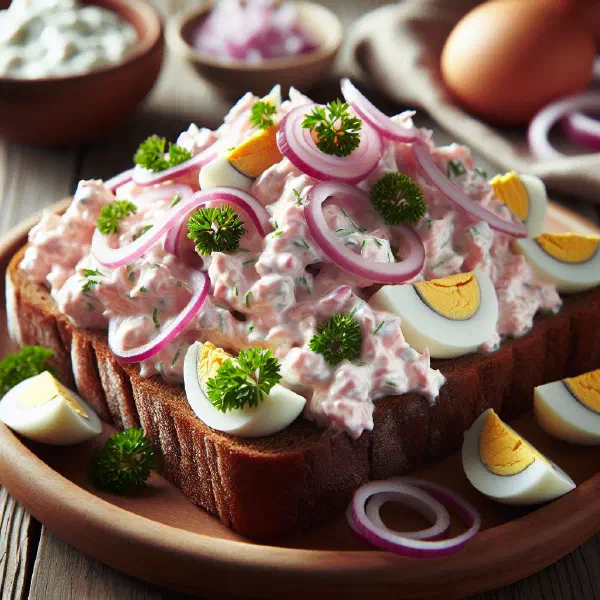
The quickest way to make smørrebrød more interesting is to build it up in layers. Ham, cheese or sliced hard-boiled egg turn a simple slice into something substantial, much as they do in a classic Solaeg. Different herbs and spices, dill above all, along with chives and a pinch of caraway, will shift the flavour in a new direction each time. Keep the bread well buttered right to the edges so the topping stays put.
Adapting the recipe to your taste
This recipe is a starting point rather than a rule. Adjust the quantities up or down, leave out anything you dislike and add whatever you have to hand. The method is just as flexible: the vegetables can be cooked gently as described here, fried a little harder for more colour, or simply left raw and crisp on the bread. Danish cooks treat smørrebrød as a canvas, and you should feel free to do the same.
Ingredient substitutions
There is a sensible alternative for almost every ingredient in the list. Margarine or olive oil both work in place of butter, the latter giving a lighter, fruitier note. Soured cream can be replaced with crème fraîche, quark or a thick natural yoghurt. Pickled cucumber instead of fresh adds a sharp, vinegary lift that sits nicely alongside cured fish, as in Spegesild, and different herbs and spices will happily take the dish somewhere new.
Drink pairing ideas
Smørrebrød goes best with something cool and refreshing. A chilled fruit juice or a mild white wine complements the toppings without overwhelming them, and a cold beer is the classic Danish choice, particularly with the saltier, fish-based versions. For a more traditional touch, a small glass of aquavit alongside the beer is very much part of the ritual at a Danish lunch table.
Serving and presentation ideas
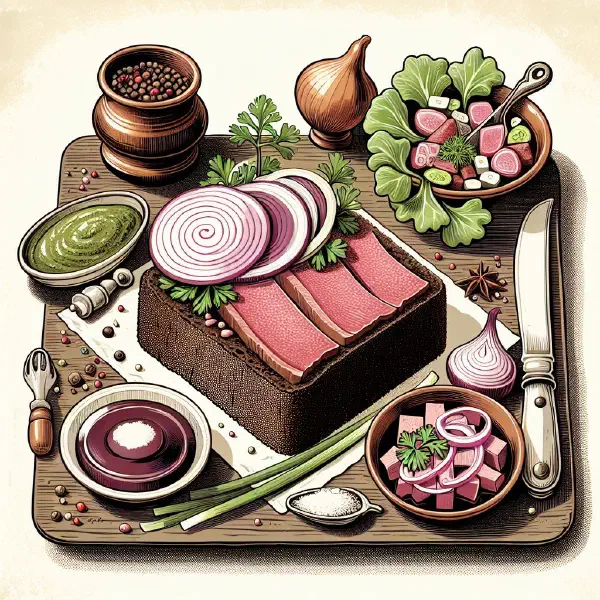
Presentation is half the pleasure with this dish. Small tomatoes or thin cucumber slices make a simple, colourful garnish, and a scattering of fresh herbs lifts the whole plate. Arrange several different varieties on a wooden board so guests can help themselves, much as you would when serving Stjerneskud. A knife and fork are traditional here, smørrebrød is not usually eaten by hand.
A bit of history
Smørrebrød is a very old dish that has been served in Denmark for centuries, growing out of the practical habit of using dense rye bread as a plate for whatever was left over. It became a fixture of the workers’ lunch box in the nineteenth century before restaurants took it up and refined it into the elaborate versions seen today. Almost every Dane knows and loves it, and it remains a cornerstone of Danish cuisine, closely related to homely staples such as Rugbrod Med Leverpostej.
More recipe ideas
Summary: Smørrebrød
Smørrebrød is a traditional Danish national dish built on moist rye bread and a well-chosen topping. It is simple to make, endlessly variable and every bit as good on a quiet Tuesday as it is at a table full of guests. With decent bread, fresh ingredients and a little care in the assembly, you can put together a plate of smørrebrød that will win anyone over. Give it a go and let Denmark’s most famous open sandwich surprise you.