National Dish Djibouti: Anjero (Recipe)
In this article
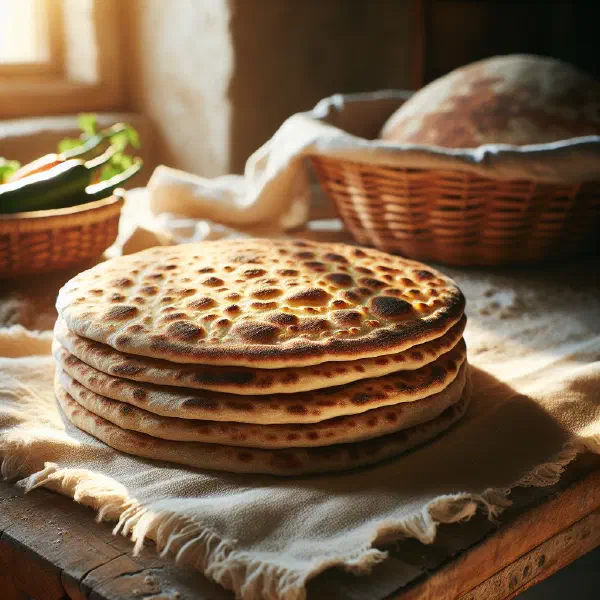
Say hello to Anjero, the light, spongy flatbread at the heart of Djiboutian home cooking. Made from a gently fermented batter of flour, water and a little yeast, it turns out soft and full of tiny bubbles that soak up whatever you serve alongside. Enjoy it for breakfast, as a midday snack or as a partner to hearty savoury dishes, and don’t forget the drizzle of sweet honey that so many families love.
About Anjero
Anjero is a traditional Djiboutian flatbread celebrated for its airy texture and its distinctive, mildly tangy flavour. It is a cornerstone of Djiboutian cuisine and appears on the table at all times of day. The secret to its delicate crumb is a fermented batter of flour, water and a touch of yeast, left to rest until it comes alive. As a snack or as a side to robust savoury dishes, Anjero wins people over with its versatility and its wonderful simplicity.
Ingredients (serves 1–2)
- 250 g plain flour
- 300 ml water
- 1/2 teaspoon yeast
- 1/2 teaspoon salt
- A little oil, for frying
Shopping for the ingredients
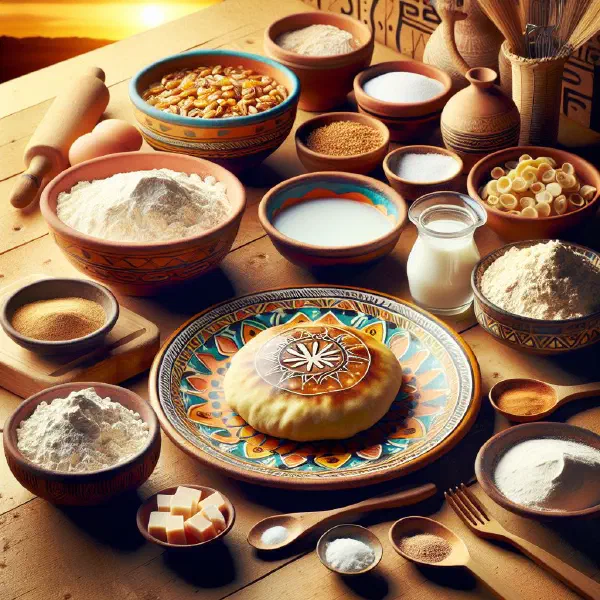
The ingredients you need for Anjero are easy to find in most food shops and supermarkets. Flour and yeast are everyday staples that are usually already in the cupboard. When buying yeast, choose fresh or active dried yeast for the best results. Salt is the other key ingredient, rounding out the flavour of the finished flatbreads.
Preparing the dish
Making Anjero begins with combining the ingredients in a large bowl. It helps to dissolve the yeast in a little warm water first so it becomes active. Then add the flour and salt and stir everything together well until you have a smooth batter. Leave the batter to ferment in a warm spot for at least an hour to develop the airiness you are after.
Step-by-step instructions
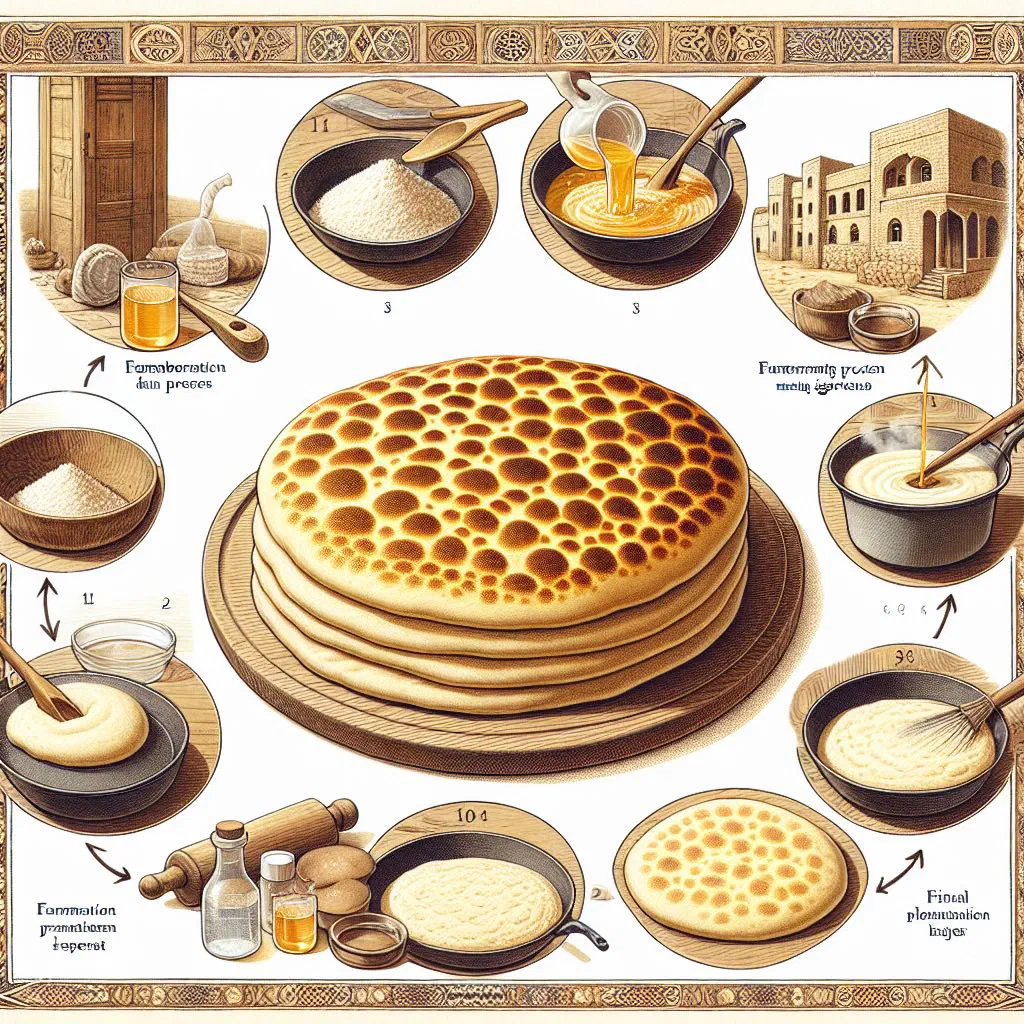
- Dissolve the yeast in warm water in a bowl.
- Add the flour and salt and mix well.
- Cover the batter and leave it to rest in a warm place for 1 hour.
- Heat a pan over medium heat and lightly oil it.
- Pour a small amount of batter into the pan and spread it out evenly.
- Cook the anjero for about 2–3 minutes on each side, until golden brown.
Gluten-free / lactose-free version
For a gluten-free version of Anjero you can use gluten-free flour, which is widely available in shops. Just make sure the yeast and any other ingredients you use are gluten-free too. Plant-based milks, such as almond or coconut milk, can also be used to keep the recipe lactose-free. It is worth adjusting the amount of water accordingly to reach the right batter consistency.
Tips for vegans and vegetarians
Anjero is naturally vegan, as its main ingredients are entirely plant-based. To make it even more nourishing, you can stir in flaxseed or chia seeds, which act as an egg substitute. Also make sure any sides you serve are vegan too if you want to keep the whole meal plant-based. Anjero is lovely with vegan-friendly spreads such as Hummus or mashed avocado.
More tips and tricks
A few extra pointers can help you get Anjero just right. Make sure your water is not too hot, as this can kill the yeast. Experiment with the resting time, a longer fermentation sometimes gives an even airier result. Use a well-seasoned or non-stick pan to stop the batter catching, and test the heat before you start by dropping in a little batter. That way you get perfect flatbreads without much fuss, much like the closely related Canjeero.
Adapting the recipe to your taste
This Anjero recipe is easily tailored to personal preference. Adding spices such as cumin or turmeric, for example, gives the batter an intriguing flavour. If you prefer it sweeter, a teaspoon of sugar or honey can be worked into the mix. For an extra-wholesome version, fold chopped fruit or nuts through the batter before frying.
Ingredient substitutions
If some ingredients are not to hand, there are several alternatives you can turn to. Instead of ordinary wheat flour, wholemeal flour makes for a more nutritious version. Rice flour is another option that keeps the recipe gluten-free. In place of yeast, baking powder can work as a raising agent if you have none to hand, though the flavour and texture will be a little different, the same easy swaps that come in handy when making Laxoox.
Drink pairing ideas
Anjero goes beautifully with a range of drinks. A traditional Djiboutian coffee or tea makes a perfect companion. If you prefer something lighter, a fresh fruit juice or a refreshing mint water is an ideal match. For special occasions, yoghurt drinks are another good choice that round the meal off nicely.
Serving and presentation ideas
Presentation can noticeably lift the whole Anjero experience. Use an attractive flat serving platter to show the flatbreads off at their best. Add fresh herbs or edible flowers for a splash of visual colour. A small bowl of honey or another dip placed beside the anjero turns serving into a feast for the senses.
A bit of history
Anjero has a long tradition in Djibouti and is often seen as a food of community. Preparing and sharing anjero is woven into Djiboutian culture, where large families and special gatherings come together to celebrate. It is often said that eating anjero together nourishes the body and connects people’s spirits. Over time the dish has taken on various regional variations and is found in households right across the country as part of everyday Djiboutian cuisine.
More recipe ideas
Summary: Anjero
In short, Anjero is a versatile and delicious flatbread cherished both in Djibouti and well beyond its borders. With its simple preparation and endless possible variations, it is an ideal dish for any occasion. The way it brings together tradition and community makes anjero a truly special experience. Give it a try and discover the enchanting culture of Djibouti through your senses.