National Dish Djibouti: Bajiya (Recipe)

In this article
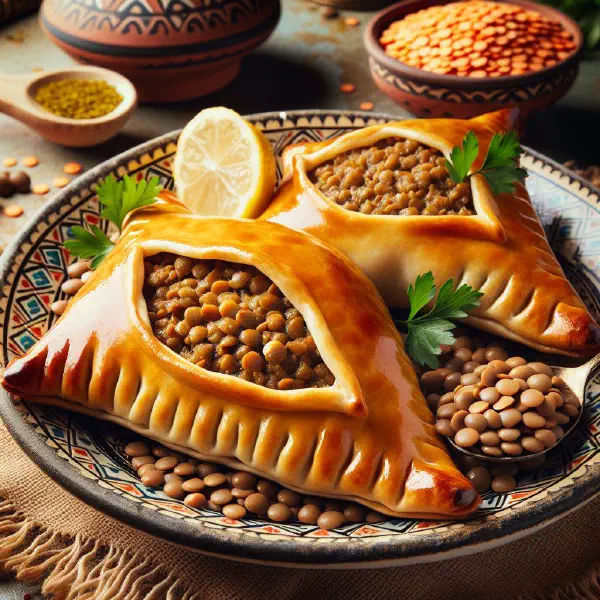
Discover Bajiya, one of Djibouti’s most cherished savoury bites. These crisp little fritters bring together tender lentils, warming spices and a handful of fresh herbs in a golden, deep-fried parcel. Easy to make yet full of character, they work beautifully as a snack, a starter or a side to a larger spread. Bring the exotic flavours of the Horn of Africa straight to your own table.
About Bajiya
Bajiya is a much-loved traditional dish from Djibouti, prepared in kitchens across the country. These delicious fried morsels are a hearty snack and a tasty accompaniment to all manner of meals. They are simple to put together and offer a wonderful marriage of spices, lentils and fresh herbs. Making bajiya is something of an art, one that has been handed down through the families of Djibouti from one generation to the next.
Ingredients (serves 1–2)
- 200 g lentils
- 100 g flour
- 1 onion, finely chopped
- 1–2 cloves of garlic, crushed
- 1 tsp cumin
- 1 tsp coriander
- 1 tsp paprika
- Fresh herbs (such as parsley or coriander)
- Salt and pepper to taste
- Oil for frying
Shopping for the ingredients
Making bajiya calls for just a few basic ingredients, all of which are easy to find in any supermarket or at your local market. Fresh lentils, which play a central role in the recipe, deliver plenty of flavour along with a good dose of protein. Do take care to choose good-quality spices, as they are decisive for the aroma of the finished bajiya. Fresh herbs are recommended too, as they intensify the flavour and give the dish a bright, fresh lift.
Preparing the dish
To get the best result, careful preparation is essential. Begin by cooking the lentils until they are soft, then set them aside to cool. Meanwhile, you can gently fry the onions and garlic so they release their full aroma. Combining all the ingredients in a bowl is the next step, and it is important to measure the spices well and to mix everything together evenly.
Step-by-step instructions
- Simmer the lentils in water until soft, then leave to cool.
- Fry the onions and garlic in a pan until golden brown.
- Tip the cooked lentils into a bowl and mix with the fried onions, garlic and the spices.
- Add the flour and stir well until a firm dough forms.
- With your hands, shape small portions of the dough and press them into flat rounds.
- Heat the oil in a pan and fry the pieces until golden brown.
- Once fried, drain on kitchen paper and serve warm.
Gluten-free / lactose-free version
Bajiya is easily made gluten-free simply by using a gluten-free flour. Rice flour or chickpea flour, for example, make excellent alternatives that take nothing away from the texture of the dough. For a lactose-free version, just make sure none of the ingredients you use contain any dairy. These small adjustments mean everyone can share in the pleasure of bajiya without a second thought.
Tips for vegans and vegetarians
Bajiya is naturally a vegan dish, as it contains no animal products at all. Even so, you can adapt the mixture to your own taste, for instance by adding mixed vegetables or a variety of pulses. Try to use fresh, organic ingredients to draw out the maximum in both nutrition and flavour. This flexibility makes bajiya an ideal choice for vegans and vegetarians alike.
More tips and tricks
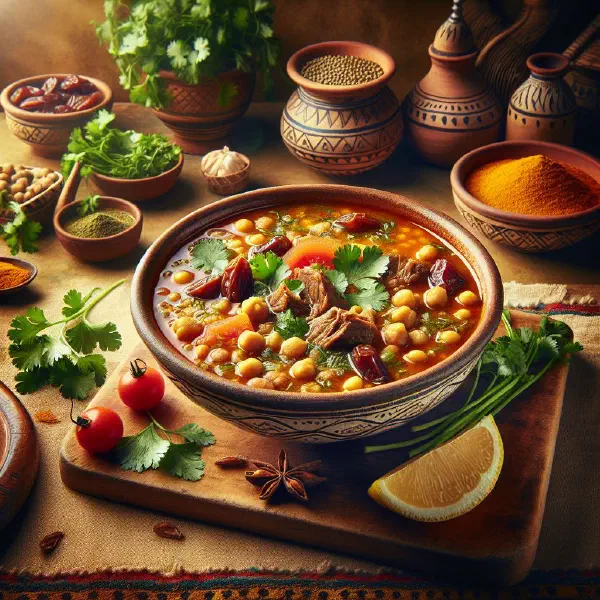
To fry your bajiya to perfection, make sure the oil is at the right temperature. Test it by dropping in a small piece of dough; it should sizzle straight away. It also helps to fry the bajiya in small batches so they brown evenly. Serve them fresh and hot to enjoy their delicious flavour and crisp texture at their best. A squeeze of lemon just before serving works wonders too, much as it does with a warming bowl of Maraq.
Adapting the recipe to your taste
The wonderful thing about bajiya is just how versatile the recipe is. You can add different kinds of vegetables or spice blends to vary the flavour. Try it with spinach or carrots for a different texture and a little extra nutrition. The heat is easy to adjust too. Simply use more or less of the hotter spices to suit your palate.
Ingredient substitutions
If you happen to be out of lentils, you can swap them without any fuss for beans, which are just as good a source of protein. For the flour, oats or cornmeal are handy options that bring their own distinctive flavours. And if you cannot find fresh herbs, dried herbs make an excellent stand-in as well. Alternatives like these make the recipe more flexible and easier to reach for, in the same spirit as a good pot of Marak Digir.
Drink pairing ideas
A number of drinks pair beautifully with bajiya. A freshly pressed lemon and ginger juice heightens the flavour and offers a refreshing contrast to the spiced filling. A minty tea also makes a lovely companion. If you would rather match it with something alcoholic, a light pale lager is an excellent choice that harmonises nicely with the crisp fried texture.
Serving and presentation ideas
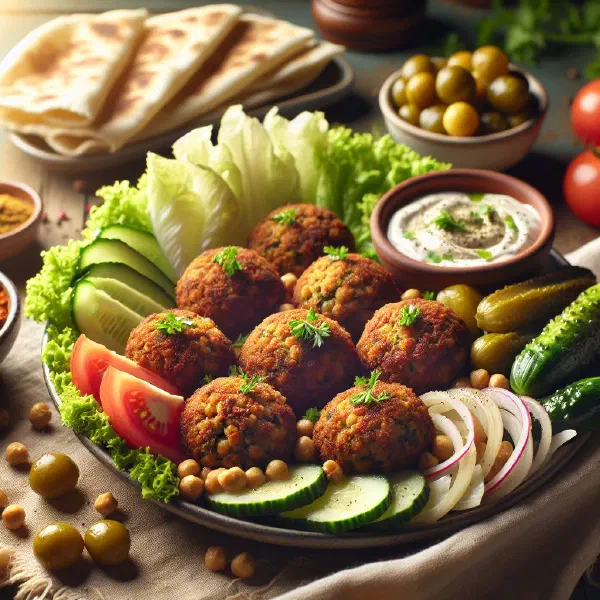
When it comes to presenting bajiya, feel free to be creative. Serve the fried pieces on a large plate garnished with fresh herbs and lemon wedges. A little pot of hot sauce or hummus in the centre makes an appealing dip, much like the classic Hummus served across the region. Arranging the bajiya in a shallow dish looks attractive and makes them easier to serve.
A bit of history
Bajiya has its origins in Djiboutian cuisine and is closely bound up with the traditions of the region. The dish springs from a heritage of cooking techniques passed down through the generations. The use of lentils and spices reflects the culinary influences of the surrounding countries. Over the years bajiya has made a name for itself well beyond Djibouti’s borders and is enjoyed in many cultural settings, a fine ambassador for Djiboutian cuisine.
More recipe ideas
Summary: Bajiya
Bajiya is a delicious and versatile dish that holds a special place in Djiboutian cuisine. Its wealth of flavour and its simple preparation make it an ideal snack or a side dish for any feast. Whether vegan, gluten-free or made with meat, the possibilities are wonderfully varied. Give this authentic recipe a try and let the flavours of Djibouti sweep you playfully away.