National Dish Djibouti: Basbousa (Recipe)
In this article
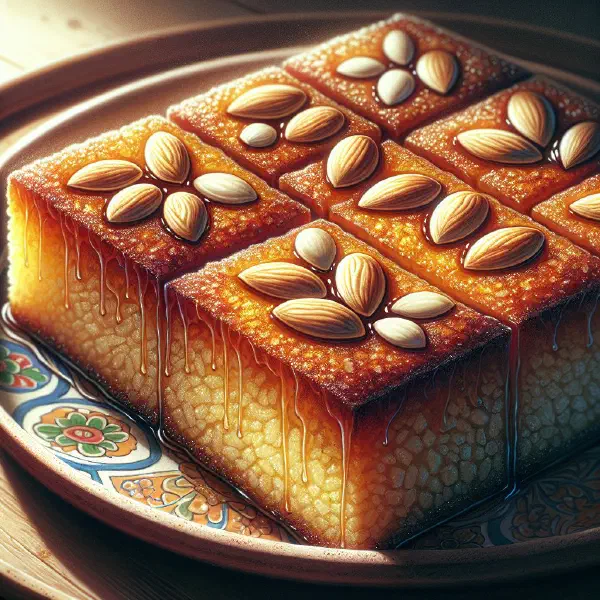
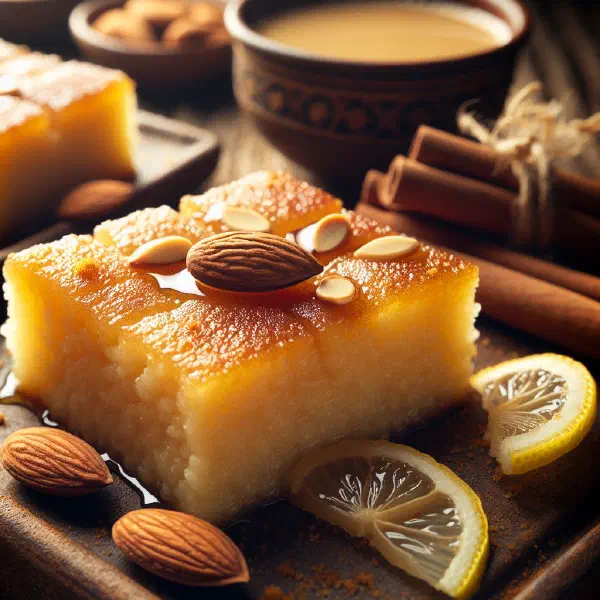
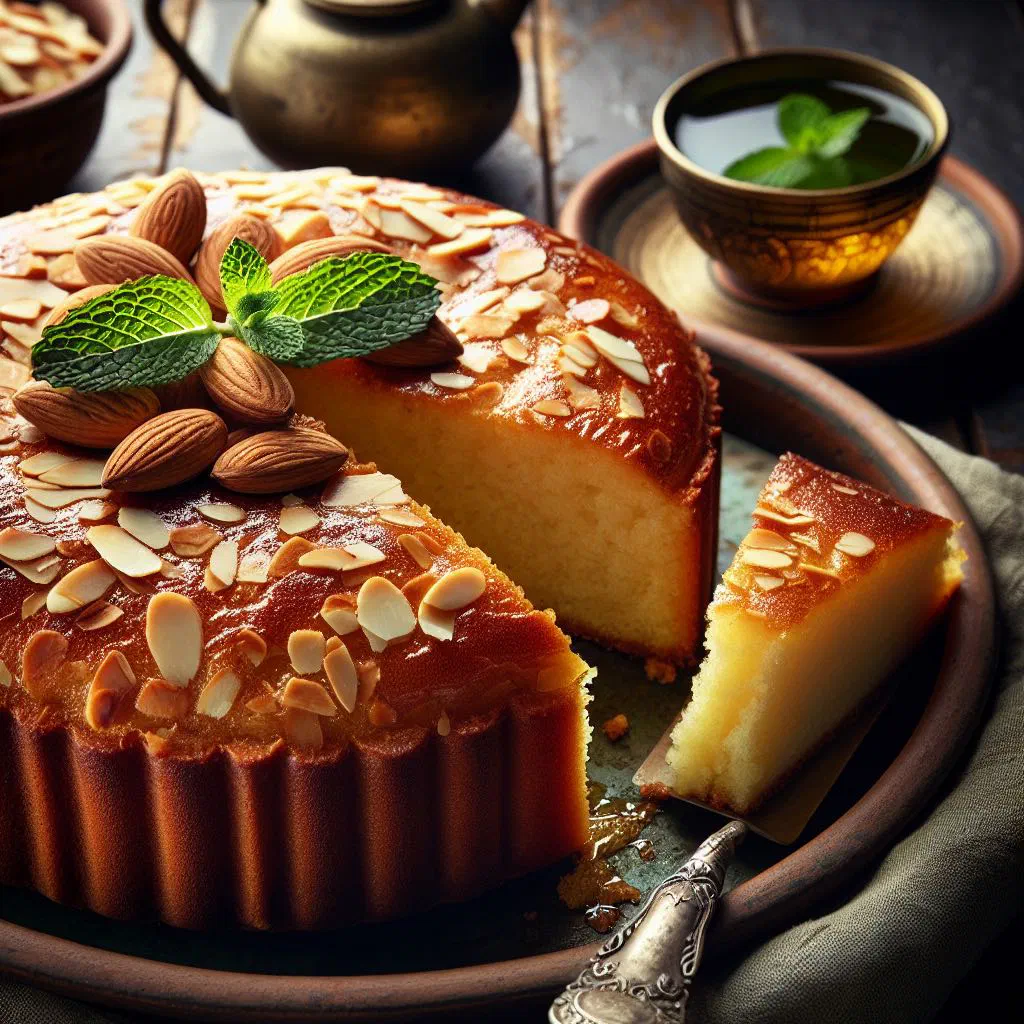
Say hello to Basbousa, a golden semolina cake soaked in fragrant sugar syrup that has become a beloved sweet across Djibouti and the wider Middle East. Tender yet moist, gently nutty and crowned with almonds, it is the kind of dessert that turns an ordinary afternoon into something festive. Traditionally served at weddings and celebrations, this simple bake brings a little touch of the Orient to your kitchen with minimal fuss and maximum flavour.
About Basbousa
Basbousa is a traditional dessert from Djibouti that is also cherished throughout many countries of the Middle East. It is a light semolina cake, enriched with a special ingredient, usually almonds or desiccated coconut, that gives it real character. This delicious sweet has a mellow, gently nutty note that makes it the perfect finish to any meal. Basbousa is often served at special occasions such as weddings and festivals, carrying with it a warm sense of hospitality and celebration.
Ingredients (serves 1–2)
- 100 g semolina
- 100 g yoghurt
- 100 g sugar
- 1 tsp baking powder
- 50 g melted butter
- 1 tsp almond extract (optional)
- Almonds, to decorate
- Water and sugar, for the syrup
Shopping for the ingredients
To make basbousa you need only a handful of simple ingredients, all of which are easy to find in any supermarket. Semolina, sugar and yoghurt are the base and form the foundation of this lovely cake. Look for fresh almonds, as these give the dessert its lovely crunch. Store-cupboard items such as baking powder and almond extract are usually stocked in the baking aisle and help lift both the flavour and the texture of the cake.
Preparing the dish
Before you start baking, make sure all your ingredients are measured out and ready to go. This keeps the process smooth and means nothing gets forgotten along the way. Preheat your oven to 180°C so it is at the right temperature by the time the mixture is ready. A suitable baking tin, ideally rectangular or square, should also be to hand to ensure the cake bakes evenly.
Step-by-step instructions
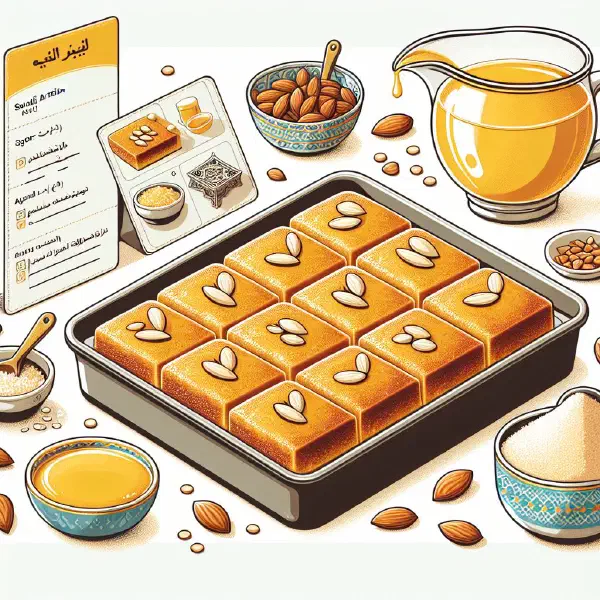
- In a bowl, combine the semolina, sugar, yoghurt, baking powder and melted butter.
- Add the almond extract and stir well until you have a smooth, even batter.
- Pour the batter into the prepared tin and spread it out evenly.
- Bake the basbousa for around 30–35 minutes, until golden brown.
- Meanwhile, prepare a syrup from equal parts water and sugar. Bring it to the boil, then leave it to cool.
- Once the cake comes out of the oven, pour the cooled syrup evenly over the top.
- Decorate with almonds, then leave to cool before serving.
Gluten-free / lactose-free version
Making basbousa gluten-free or lactose-free is easier than you might think. In place of ordinary semolina you can use gluten-free semolina or ground almonds, both of which keep the recipe every bit as delicious. For a lactose-free version, swap the yoghurt for plant-based alternatives such as coconut or soya yoghurt. These adjustments barely affect the taste and allow even more people to enjoy this wonderful dessert.
Tips for vegans and vegetarians
Vegan versions of basbousa are entirely possible too. Simply replace any eggs and the yoghurt with plant-based alternatives. Instead of yoghurt, a mixture of water and a little cornflour can be used to achieve the same consistency. Be sure to swap the butter for vegan margarine as well. These easy adjustments make it possible to enjoy a delicious, animal-free dessert that pleases everyone at the table.
More tips and tricks
To make your basbousa even tastier, you can enrich it with a variety of extra ingredients. A pinch of cinnamon or a little vanilla, for instance, intensifies the flavour beautifully. You can also swap the almonds for other nuts such as walnuts or pistachios to give the dessert a personal twist.
Adapting the recipe to your taste
The great thing about basbousa is its versatility. If you prefer it less sweet, you can reduce the amount of sugar or use a sugar substitute. For a more pronounced nutty flavour, work extra chopped nuts into the batter as well as scattering them on top. You might also experiment with different toppings, a drizzle of chocolate or a layer of fresh fruit, perhaps, to personalise the dessert to your own preferences.
Ingredient substitutions
If you do not have every ingredient to hand, there are plenty of alternatives to fall back on. Instead of semolina you can use flour for a slightly different texture. In place of sugar, honey or agave syrup make fine sweeteners, much as they do in a syrup-soaked Luqaimat. For the syrup you could even reach for maple syrup to add a distinctive sweetness. Substitutions like these not only help you adapt the recipe but can also offer a few nutritional benefits.
Drink pairing ideas
A slice of basbousa pairs beautifully with a wide range of drinks. An aromatic tea, such as mint or black tea, complements the dessert wonderfully and underlines its oriental aromas. A fresh fruit juice, like orange or pomegranate, also goes very well with this sweet treat. For special occasions you might serve an Arabic coffee, whose bold, robust note offers an exciting contrast to the sweetness of the basbousa.
Serving and presentation ideas
The presentation of your basbousa is every bit as important as its taste. Cut the cake into neat squares or diamonds and arrange them on a decorative plate. Garnishing with fresh mint leaves and a few extra almonds gives the dessert that little something special, much as you might dress up a plate of Gashaato. A light dusting of icing sugar sifted over the top adds an elegant finishing touch. An inviting presentation makes the dessert not only tasty but a real centrepiece on any table.
A bit of history
The roots of basbousa reach far back into antiquity and are woven into many Arab cultures. The recipe is thought to have originated in Egypt, where it remains a fixture of traditional home cooking. Over time it spread to other countries of the Middle East, including Djibouti, where it took on a special significance. Basbousa is more than just a dessert; it represents the hospitality and culinary richness of the Arab world, and sits proudly alongside other sweets in Djiboutian cuisine.
More recipe ideas
Summary: Basbousa
Basbousa is a simple yet delicious dessert that lends any occasion a touch of the Orient. With its gently nutty notes and the sweetness of its syrup, this cake is not only a treat for the palate but a feast for the eyes. The recipe’s adaptability means it can be tailored to all sorts of tastes, while its rich cultural background makes for a truly authentic experience. Let basbousa win you over and bring a little slice of Djiboutian culture to your table.