National Dish Djibouti: Bur Garoob (Recipe)
In this article
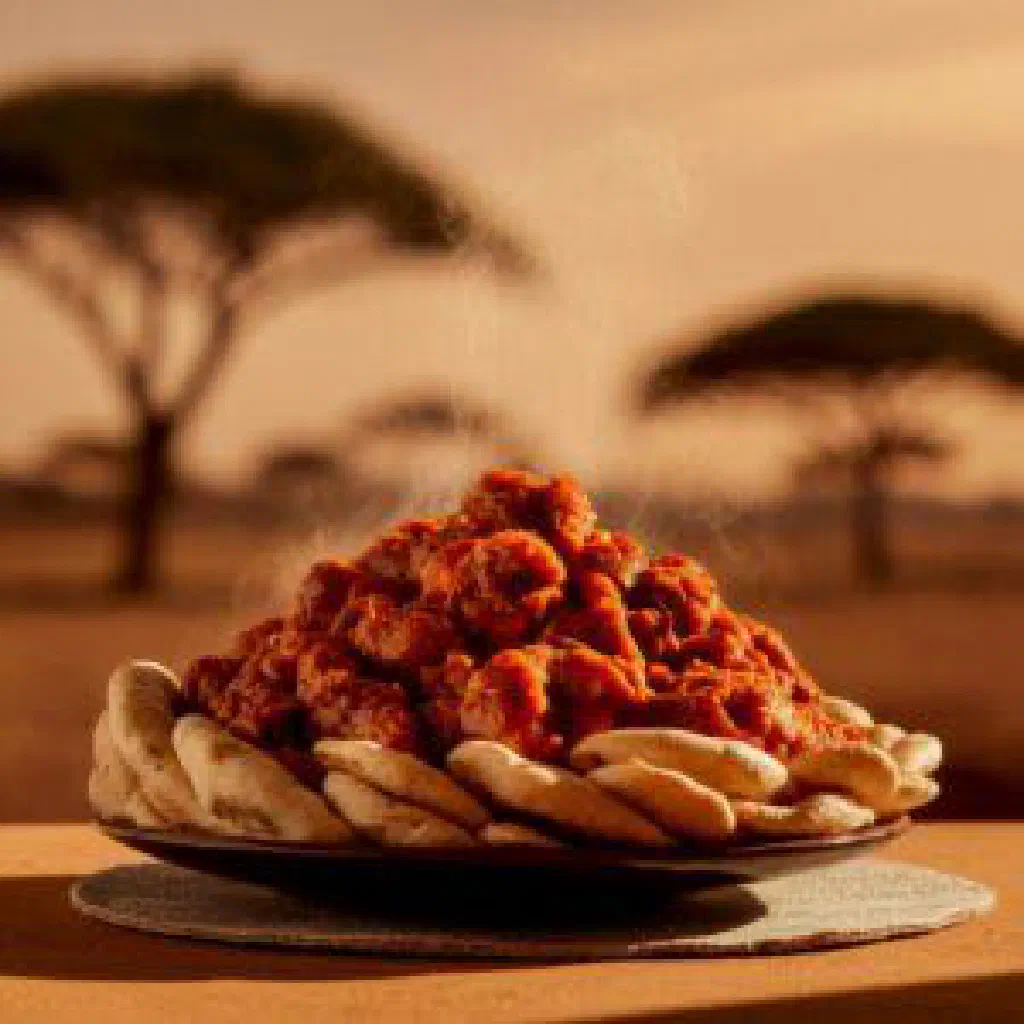
Say hello to Bur Garoob, the traditional flatbread that brings the warm flavours of Djibouti to the table. This airy, spice-scented bread is made to be shared, cooked on a hot pan and topped with whatever vegetables, pulses or meat you fancy. It is honest comfort food that shines at festive gatherings, and making it at home is the perfect way to experience the culinary richness of the Horn of Africa in your own kitchen.
About Bur Garoob
Bur Garoob is a traditional national dish of Djibouti that gathers the delicate aromas of the region into one hearty, satisfying dish. It is especially known for its combination of fresh spices, served together with a light, airy dough. More than simply delicious, it is perfectly suited to sharing, which makes it an ideal centrepiece for festive occasions. Preparing it at home lets you experience the cultural diversity of Djibouti first-hand and offer your guests something genuinely special.
Ingredients (serves 1–2)
- 200 g flour
- 150 ml water
- 1 tsp salt
- 1 tsp dried yeast
- 2 tbsp oil
- Spices of your choice (e.g. cumin, coriander)
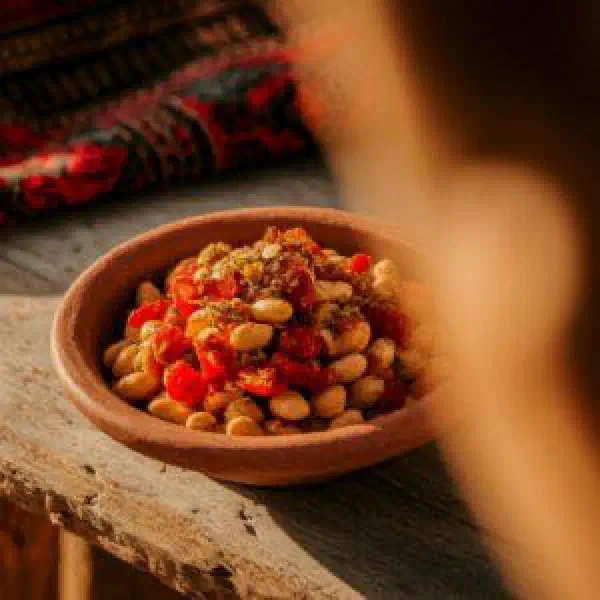
- Sides: vegetables, pulses or meat to taste
Shopping for the ingredients
When shopping for Bur Garoob, it is worth choosing high-quality ingredients. Fresh flour and good spices make an enormous difference to the flavour of the finished dish. Visit local markets to find fresh vegetables and perhaps a few regional specialities that can enrich your sides. It pays to select your ingredients thoughtfully, so you can guarantee an authentic taste experience every time.
Preparing the dish
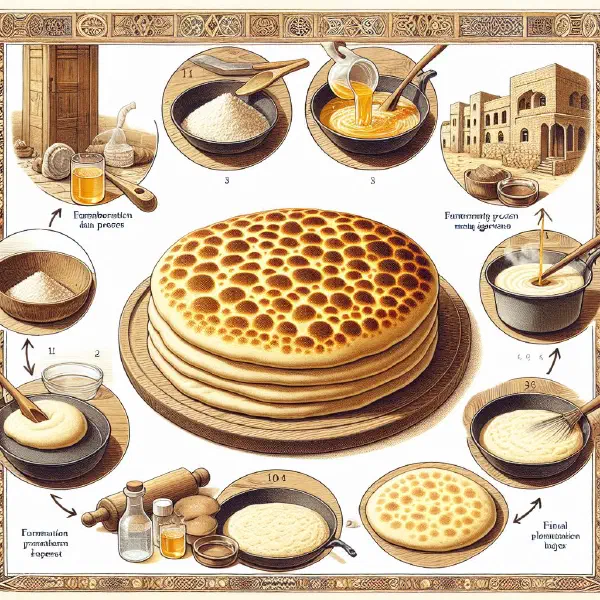
Before you make Bur Garoob, it is important to prepare all your ingredients well. Begin by mixing the flour with the salt and the dried yeast in a bowl. Gradually pour in the water and the oil to bring the mixture together into a smooth dough. Then leave the dough to rest for about 30 minutes so it can rise; this improves the texture and gives the bread its characteristic lightness.
Step-by-step instructions
- Prepare the dough: mix the flour, salt and dried yeast in a bowl.
- Add the water and oil and knead thoroughly.
- Leave the dough to rest for 30 minutes.
- Roll the dough out thinly and cook it in a dry pan without oil.
- Prepare your chosen sides (for example vegetables, pulses or meat).
- Spread the sides over the griddled bread and serve together.
Gluten-free / lactose-free version
If you would like to make Bur Garoob gluten-free or lactose-free, a few simple swaps do the trick. You can use a gluten-free flour that works well for bread-making. For a lactose-free version, replace ordinary oil with a lactose-free margarine or a plant-based blend. Take care with your sides too, choosing suitable alternatives so the dish can be adapted completely to your needs.
Tips for vegans and vegetarians
For vegan or vegetarian versions of Bur Garoob, you can get creative with the toppings. Instead of meat, reach for grilled vegetables, tofu or pulses to keep the dish nourishing. There are also plenty of plant-based spices and herbs you can use to deepen the flavour. Mix and match the combinations as you please to bring your own personal touch to the dish, much as you might with a plate of Bajiya.
More tips and tricks
There are a few helpful tips and tricks for getting the perfect Bur Garoob. Make sure you knead the dough thoroughly to achieve an airy consistency. Experiment with different spices to discover your own favourites. The bread can also be prepared in advance and simply reheated, which makes it a wonderful choice for sociable evenings with friends and family.
Adapting the recipe to your taste
The recipe for Bur Garoob is easy to adapt to different preferences. You can vary the spices or add extra ingredients such as cheese or nuts to create a distinctive note. If you like your food with more heat, use chilli or other fiery spices. Let your imagination run free and shape the dish so it matches exactly what you have in mind.
Ingredient substitutions
If you do not have every ingredient to hand, there are plenty of alternatives you can use without losing the character of Bur Garoob. Instead of fresh vegetables, frozen or pickled versions work just as well. Likewise, the flour can be swapped for alternatives such as chickpea flour, which lends the dish a lovely, nutty flavour, in the same spirit as a bowl of Hummus. Experiment with whatever you have available and discover new ways to enjoy it.
Drink pairing ideas
To round off the Bur Garoob experience, several drinks pair beautifully with this dish. Traditional options such as Arabic tea or a fresh mint tea offer a refreshing counterpoint to the hearty flavours. Fruity lemonades or yoghurt drinks also make a cooling accompaniment. Choose your drinks to suit the occasion and your own taste, and you will have a thoroughly well-rounded meal to present.
Serving and presentation ideas
Presentation can have a big impact on the whole Bur Garoob experience. Serve the dish on a large platter to invite everyone to share, and garnish it with fresh herbs or colourful vegetables. Rustic plates can lend the meal an authentic charm. Beyond that, take care to arrange the sides attractively so you create an inviting, festive atmosphere at the table.
A bit of history
Bur Garoob has a history closely tied to the culture and traditions of Djibouti. The roots of the dish can be traced back to the era of nomadic peoples, whose way of life was shaped strongly by the availability of local ingredients. Sharing food is a widespread part of the region’s culture, and Bur Garoob is a fine example of this tradition. It brings together people, stories and flavours, which is why it remains an essential part of many festive occasions in Djiboutian cuisine.
More recipe ideas
Summary: Bur Garoob
Bur Garoob is a delicious dish and an important part of Djiboutian culture. It unites a wealth of flavours and textures and is perfectly suited to sharing at festive occasions. With the freedom to adapt the recipe to your own taste, it offers plenty of variety and room for creativity in the kitchen. Let this dish inspire you and discover the fascinating flavours of Djibouti right in your own home.