National Dish Djibouti: Halwa (Recipe)
In this article
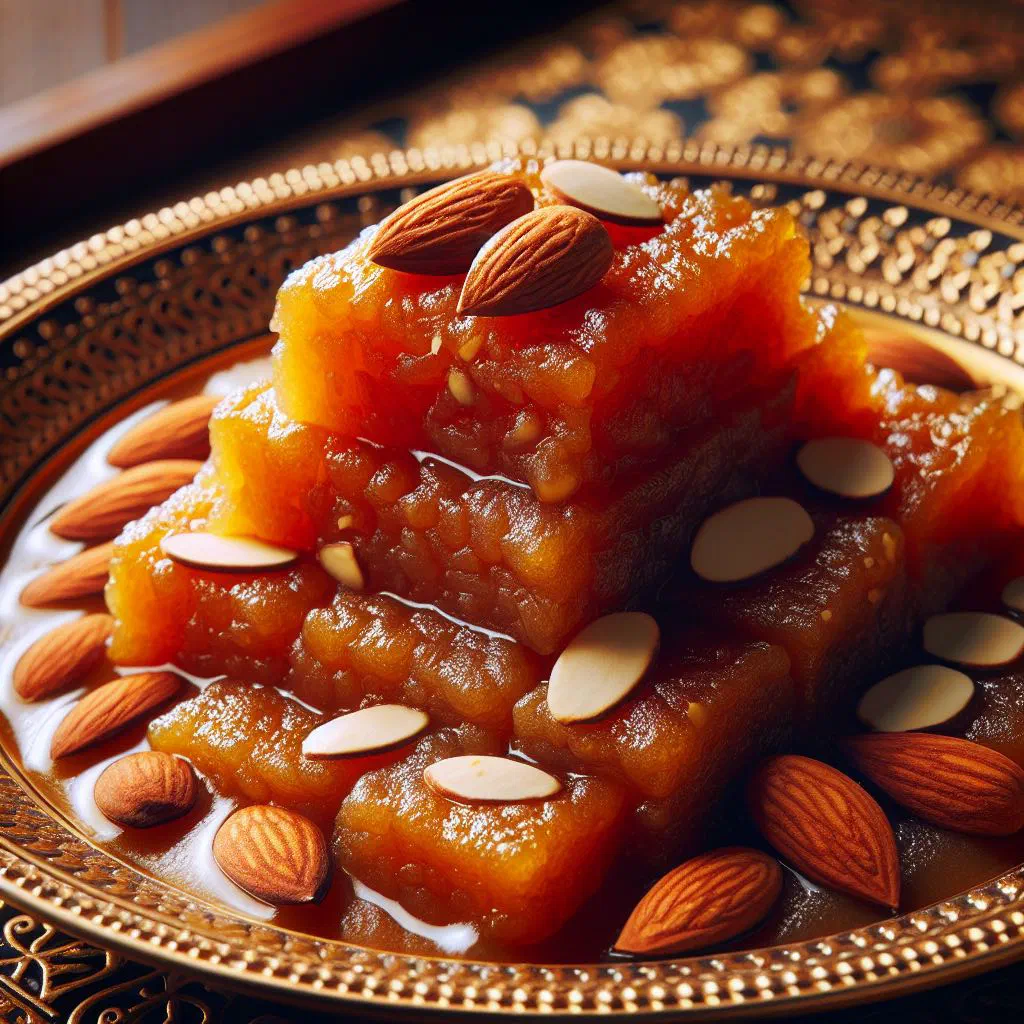
Discover Halwa, a fragrant sweet that captures the warmth of Djiboutian hospitality. This tender confection weaves together the aroma of cardamom and cinnamon with the gentle sweetness of sugar and honey, all lifted by a scattering of toasted nuts and dried fruit. Halwa brings a little piece of Djibouti’s culture to your table.
About Halwa
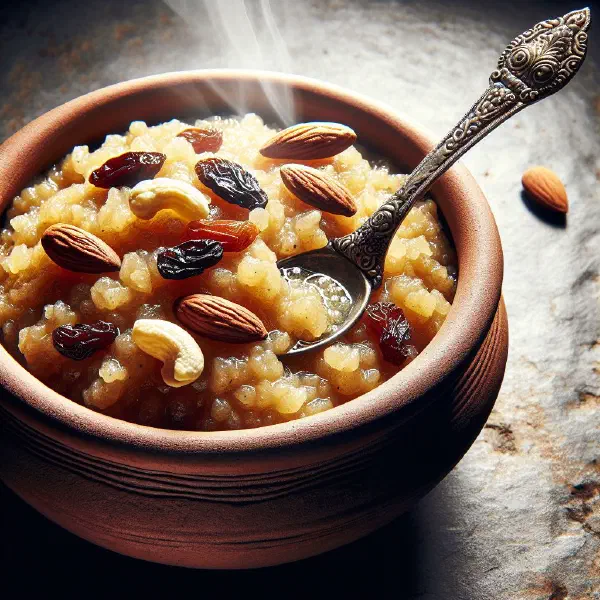
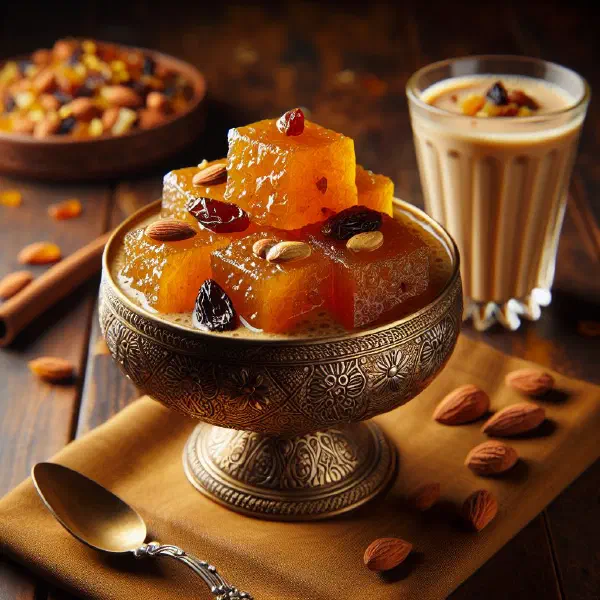
Halwa is a traditional sweet from Djibouti that appeals to the senses and reflects the culture of this fascinating country. This light, sugary dessert brings together the aroma of warming spices such as cardamom and cinnamon with the rich sweetness of sugar and honey. The use of nuts and dried fruit gives it a lovely bite and makes halwa a very good treat. Whether at festive occasions or simply as a snack to enjoy between meals, halwa puts a taste of the Djiboutian way of life on the table.
Ingredients (serves 1–2)
- 100 g sugar
- 50 g semolina
- 2 tablespoons butter or margarine
- 1/2 cup water
- 1 teaspoon cardamom
- 1/4 cup ground nuts (such as almonds or pistachios)
- Optional dried fruit (raisins or dates)
Shopping for the ingredients
The ingredients for halwa are easy to find in most supermarkets or well-stocked grocers. The semolina and the spices in particular are worth buying in good quality to guarantee the fullest flavour. Be sure to use fresh nuts, as they have a big influence on the aroma of the finished dish. Dried fruit can add an extra note of sweetness and round out the whole experience.
Preparing the dish
Preparing halwa takes very little time and effort, but it helps to have everything ready before you start. Begin by roughly chopping the nuts and preparing the dried fruit to taste. Measure out the remaining ingredients carefully so the proportions are just right. A tidy mise en place keeps the cooking process running smoothly and helps you achieve a perfect result.
Step-by-step instructions
- Heat the butter in a pan, add the semolina and stir well until it turns lightly golden.
- In a separate pan, bring the water and sugar to the boil. Add the cardamom and stir until the sugar has completely dissolved.
- Slowly pour the sugar mixture into the pan with the semolina, stirring constantly to avoid any lumps.
- Add the chopped nuts and, if using, the dried fruit, and mix everything through thoroughly.
- Continue to cook the mixture until it reaches a firm, mouldable consistency.
- Pour the halwa into a greased tin and leave it to cool before cutting it into pieces.
Gluten-free / lactose-free version
Halwa is easy to prepare in a gluten-free and lactose-free version. Simply swap the semolina for gluten-free semolina or a gluten-free flour blend. For the lactose-free variant, use plant-based margarine or coconut oil in place of butter. These adjustments do nothing to diminish the flavour and instead offer extra options for those with allergies or special dietary needs.
Tips for vegans and vegetarians
Vegans can adapt halwa easily by replacing the butter with a plant-based product. It is also worth making sure your sugar is vegan, since some sugars are processed using animal-derived charcoal. Using coconut milk in place of water can give the halwa a creamier consistency. These simple swaps ensure the dessert stays accessible to everyone.
More tips and tricks
A few small tricks can help your halwa turn out even better. Take care not to toast the semolina for too long, so you keep the best possible flavour. Experiment with different spices to add a personal touch, for example a little cinnamon or cloves. You can also vary the consistency of the halwa by adjusting the amount of water if you prefer a softer result. Use these tips to fine-tune your halwa and gather valuable feedback from your guests.
Adapting the recipe to your taste
Halwa is a flexible recipe that adapts easily to personal preference. In place of nuts, for instance, you might add chocolate or almonds to create a different flavour. The sweetness, too, can be dialled up or down depending on just how sweet you like it. A creative tweak can make every spoonful of your halwa feel unique and special, much as a good Basbousa rewards a little experimentation.
Ingredient substitutions
There are plenty of alternatives you can use in your halwa recipe. Instead of sugar, try natural sweeteners such as agave syrup or honey to vary the sweetness. For a nut-free version, use sunflower oil or swap the nuts for toasted oats. Substitutions like these can help you create new flavour experiences and keep the dish varied.
Drink pairing ideas
Halwa pairs beautifully with a wide range of drinks. Traditionally a fresh mint tea works very well, balancing the sweetness of the dessert wonderfully. A light yoghurt shake can also make a refreshing accompaniment. For a more elegant presentation, serve halwa alongside an Arabic coffee to complete the Djiboutian experience.
Serving and presentation ideas
The way you present your halwa can heighten the whole experience. Arrange the halwa on an attractive plate and decorate it with chopped nuts or a pinch of cinnamon. Serving it in small glasses can be a creative idea too. Add fresh mint leaves as a garnish to please the eye and lend an extra touch of freshness.
A bit of history
Halwa has a long tradition and is popular not only in Djibouti but across many countries of the Middle East and North Africa. Originally conceived as a festive dessert, halwa reflects the diversity of cultural influences and regional ingredients that shape the region’s Djiboutian cuisine. Over time the recipe has evolved, and countless variations exist depending on the region and personal taste. This history makes halwa more than a culinary treat but also a symbol of hospitality and community.
More recipe ideas
Summary: Halwa
Halwa is more than just a sweet; it is a window into the culture and traditions of Djibouti. With its simple preparation and its many possibilities for adaptation, halwa gives everyone the chance to bring a piece of Djiboutian culture into their own kitchen. Whether as a festive dessert or a little snack to enjoy between meals, halwa is certain to bring joy and pleasure.