National Dish Djibouti: Injera with Zigni (Recipe)
In this article
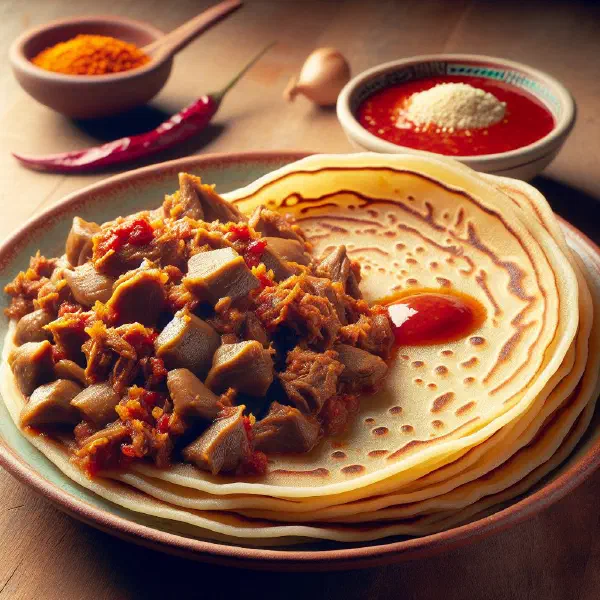
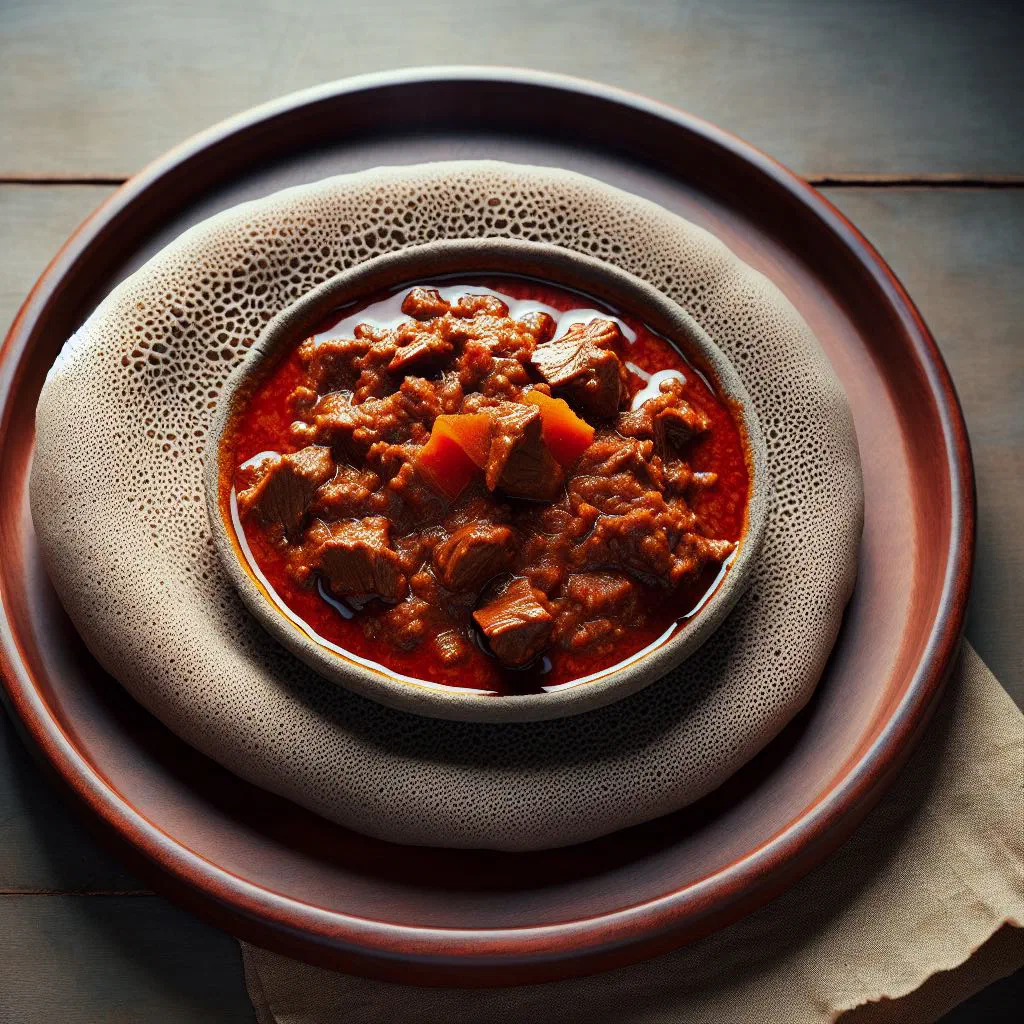
Meet Injera with Zigni, the dish that captures the soul of Djiboutian cooking. A soft, tangy sourdough flatbread meets a deeply spiced beef sauce for a plate that is as much about sharing as it is about flavour. Fragrant with berbere, garlic and slow-simmered tomato, this Horn of Africa classic turns any meal into a warm, convivial occasion, and it is easier to bring to your own table than you might think.
About Injera with Zigni
Injera with Zigni is a true culinary highlight of Djibouti. Injera is a sourdough-style flatbread enjoyed right across the Horn of Africa. It is bread on the side and as an edible plate on which the various dishes are laid out. Zigni, the spicy beef sauce, is prepared with a generous range of spices and aromas that are typical of Ethiopian cooking. Together they create a dish that is rustic, communal and full of character.
Ingredients (serves 1–2)
- 250 g minced beef
- 2 cups water
- 1 large onion, finely chopped
- 2–3 garlic cloves, crushed
- 2 tablespoons tomato purée
- 1 tablespoon berbere (Ethiopian spice blend)
- Salt and pepper to taste
- 2 tablespoons vegetable oil
- Injera (for 2 portions)
Shopping for the ingredients
When shopping for Injera with Zigni, it is important to look for freshness and quality. Visit an Asian or African grocery to track down the special spices such as berbere. Fresh minced beef brings the best flavour to your dish, so choose it with care. If you order the ingredients online, make sure they arrive well packaged and fresh so nothing loses its aroma before you cook.
Preparing the dish
Good preparation is the key to a successful result. Begin with the injera, as it needs time to ferment. The Zigni sauce, by contrast, comes together relatively quickly. Make sure you have all your ingredients ready and prepped where needed, so the cooking process runs smoothly and you can work at a relaxed, steady pace.
Step-by-step instructions
- Heat the vegetable oil in a pan and add the chopped onion. Fry until soft and golden brown.
- Add the crushed garlic and the minced beef to the pan and brown everything well.
- Stir in the tomato purée and the berbere spice blend, mixing thoroughly.
- Pour in the water and let the sauce simmer for about 20–30 minutes, until it thickens nicely. Season with salt and pepper to taste.
Gluten-free / lactose-free version
For anyone with a gluten intolerance, there are alternatives to traditional injera. You can try making it from pure rice or buckwheat flour, which may shift the taste slightly but offers a tasty gluten-free option. Lactose is not present in this dish at all, so it is naturally suitable for those with a lactose intolerance. No swaps required.
Tips for vegans and vegetarians
For a vegan or vegetarian version, you can replace the minced beef with plant-based alternatives such as seitan, tofu or lentils. These ingredients soak up the spices beautifully and make for a flavourful meal. Take care to adjust the consistency of the sauce to reach the perfect balance. Building the dish around a mix of different vegetables adds welcome variety, much as the lentils do in Marak Digir.
More tips and tricks
To refine the flavour of your Injera with Zigni, experiment with different spices. A little turmeric or paprika lends the dish an extra layer of warmth. Finishing with fresh herbs can also lift both the look and the taste. Serve in small portions to present the dish attractively and to offer your guests a range of aromas to explore.
Adapting the recipe to your taste
You can easily tailor this recipe to your own preferences. If you like it spicier, increase the amount of berbere or add fresh chillies. For a milder version, simply use fewer spices. Consider enriching the dish with different vegetables too, to bring more colour and texture to the plate.
Ingredient substitutions
If some of the ingredients are not to hand, there are plenty of alternatives. Instead of minced beef you can use chicken or fish, the same flexible approach that works in a hearty Suqaar. If you have no tomato purée, fresh tomatoes make a good base instead. Bear in mind that fresh produce releases more liquid, so adjust the quantities accordingly.
Drink pairing ideas
To complement the flavour of Injera with Zigni, Ethiopian wines or a cold Ethiopian beer are an excellent choice. For a non-alcoholic option, fruity juices or a minted tea pair well.
Serving and presentation ideas
Presentation plays a decisive role in enjoying any dish. Serve Injera with Zigni on a large platter and arrange it in an attractive pattern. Add fresh vegetables or herbs as a garnish.
A bit of history
The culinary roots of Injera with Zigni reach deep into the history of the Horn of Africa. Injera itself originated in Ethiopia, where it has been a staple food for centuries and inspired related breads such as Anjero. Zigni is a characteristic dish shaped by the many cultures of the Horn of Africa. The dish tells a story of flavour and of the rich heritage and tradition of the region, a cornerstone of Djiboutian cuisine.
More recipe ideas
Summary: Injera with Zigni
Injera with Zigni is an experience. The combination of airy flatbread and spicy beef sauce creates a flavour that truly engages the senses. The ways to adapt it are many. Savour the aromas and the tradition this dish represents, and let the culture of Djibouti captivate you.