National Dish Djibouti: Tamis (Recipe)
In this article
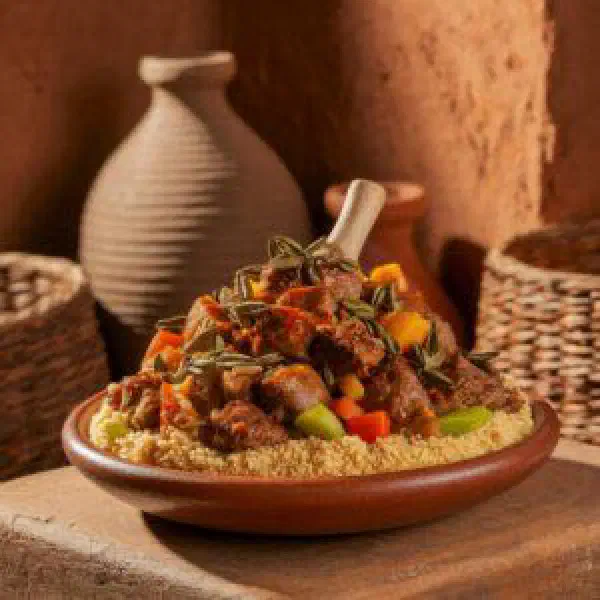
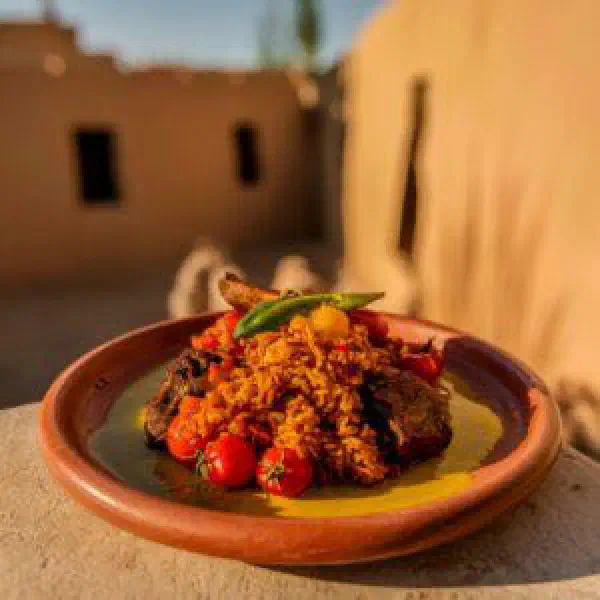
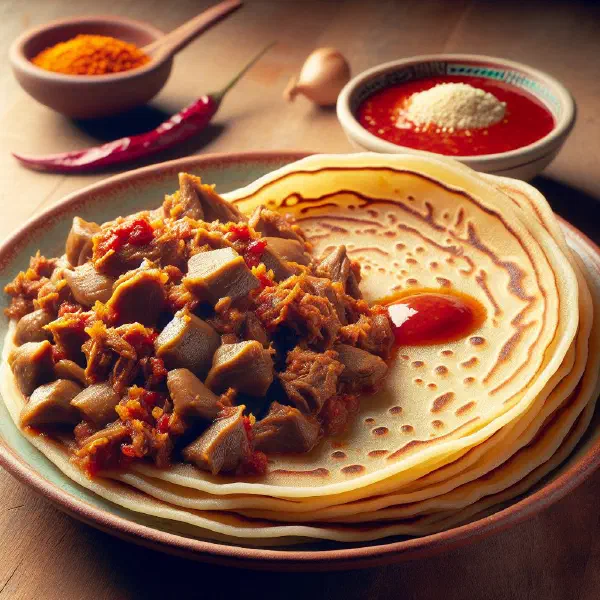
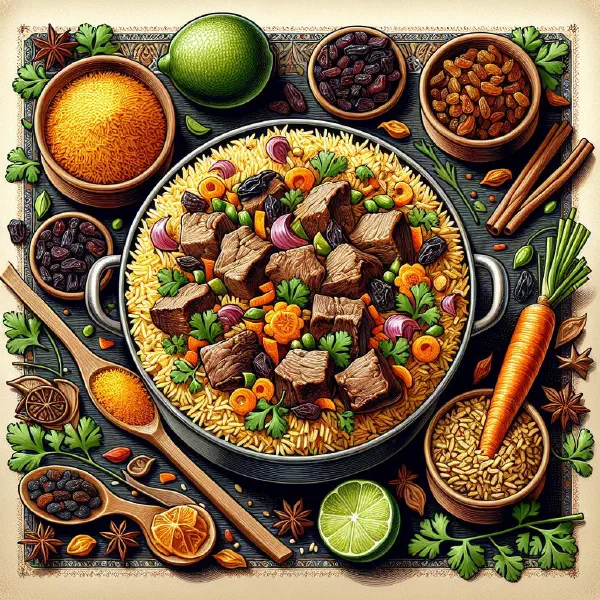
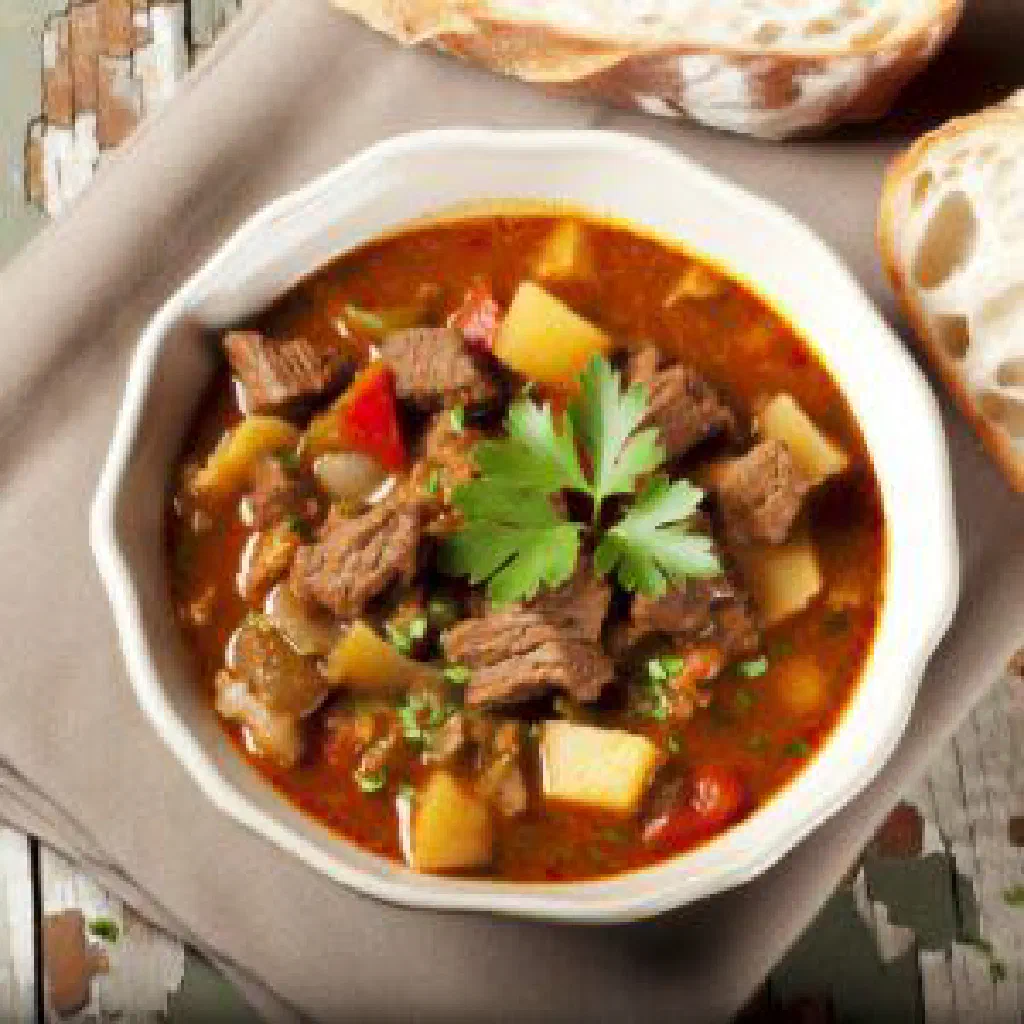
Discover Tamis, the national dish of Djibouti. This warming plate brings together tender meat, a fragrant blend of spices and crusty bread for a meal that is as generous as it is flavourful. More than just dinner, Tamis is a symbol of hospitality and togetherness, traditionally cooked in a big pot and shared among family and friends. Bring a taste of the Horn of Africa to your own table with every satisfying bite.
About Tamis
Djibouti’s national dish, Tamis, is a standout example of the rich and varied cooking of the region. The dish pairs tender lamb or beef with a special mix of aromatic spices that lift the flavour and turn every serving into a memorable experience. In Djiboutian culture, Tamis stands for far more than good eating. It represents hospitality and community. It is often prepared in large pots and takes pride of place at celebrations and festive gatherings.
Ingredients (serves 1–2)
- 300 g lamb or beef, cut into pieces
- 1 onion, finely chopped
- 2 cloves of garlic, chopped
- 2 tomatoes, diced
- 1 tsp cumin
- 1 tsp paprika
- 1 tsp cinnamon
- Salt and pepper, to taste
- Olive oil
- Fresh bread, to serve
Shopping for the ingredients
When shopping for the ingredients for Tamis, pay close attention to the quality of the meat. Fresh, good-quality meat delivers the best flavour and a lovely tender texture. Visit local markets or a butcher that stocks fresh produce. The choice of spices matters just as much: use freshly ground spices to intensify the aromas of the dish.
Preparing the dish
Preparation for Tamis begins with cutting the meat and chopping the vegetables. Make sure all your ingredients are ready before you start cooking. It is a good idea to weigh out the spices in advance so the cooking process runs smoothly. The better your preparation, the easier the cooking, leaving you free to focus entirely on the pleasure of the meal.
Step-by-step instructions
- Heat the olive oil in a large pot and sauté the onions until translucent.
- Add the garlic and fry briefly.
- Add the meat to the pot and brown it on all sides.
- Stir in the diced tomatoes and the spices, and mix well.
- Cover the pot and let everything simmer over low heat for about 45 minutes.
- Serve the dish hot with fresh bread.
Gluten-free / lactose-free version
Making Tamis gluten-free or lactose-free is straightforward. Use gluten-free bread or alternative sides such as rice or quinoa in place of traditional bread. The main dish itself contains no dairy, so it is well suited to anyone who is lactose intolerant. When shopping, look for gluten-free spices to be sure no unwanted additives sneak in.
Tips for vegans and vegetarians
Tamis is easy to adapt for vegans and vegetarians by swapping the meat for red lentils or tofu. These alternatives are high in protein and soak up the spices beautifully. Add extra vegetables such as carrots, peppers or courgettes to boost both the flavour and the nutrients. The result is a hearty, nourishing dish that keeps the tradition alive while catering to dietary preferences, much like a comforting bowl of Marak Digir.
More tips and tricks
A few simple tips can make a real difference to the flavour of your Tamis. Feel free to let the dish simmer a little longer so the aromas can develop fully. A squeeze of lemon juice just before serving lends the dish a refreshing lift. Experiment with the spices to bring your own personal touch to your Tamis.
Adapting the recipe to your taste
The beauty of Tamis lies in how easily you can tailor it to your own preferences. Like it hotter? Add a few chillies or a pinch of cayenne pepper for extra warmth. If you would rather use a different meat, such as chicken or pork, give it a go. This versatility makes the dish easy to slot into all kinds of tastes.
Ingredient substitutions
If you struggle to find certain ingredients for Tamis, there are plenty of alternatives. Instead of lamb or beef, you could use turkey escalope, which has a mild flavour. The spices can vary too; in place of cinnamon, try cardamom for a different dimension of flavour. Be creative and let whatever is available inspire you, the same spirit you might bring to a plate of Suqaar.
Drink pairing ideas
A robust red wine is an ideal match for a delicious plate of Tamis, underlining the flavours of the meat. Alternatively, reach for sparkling water or a homemade fruit juice for a refreshing accompaniment. Traditionally, herbal teas are also served in Djibouti. They harmonise well with the flavours and are soothing too. Choose the drink that best suits your occasion and your tastes.
Serving and presentation ideas
The presentation of Tamis can lift the whole dining experience. Serve the dish in a large bowl and garnish it with fresh herbs such as coriander or parsley. Arrange the bread creatively on the plate to create an inviting overall impression. Don’t forget to set the dish off with attractive tableware to bring out the colours and textures of the Tamis.
A bit of history
Tamis has a long tradition in Djiboutian culture and is regarded as a celebration dish for special occasions. It is often served in family circles or at festivals, underlining that sense of community. The use of specific spices reflects the region’s rich culinary history, shaped by trade routes and cultural exchange. This dish is more than just a meal. It tells the story of Djibouti and its warm hospitality, a story shared across all of Djiboutian cuisine.
More recipe ideas
Summary: Tamis
Tamis is a flavourful and welcoming dish that captures the aromas of Djibouti perfectly. With its combination of tender meat, delicious spices and fresh bread, it is an excellent choice for sociable occasions and celebrations. Tamis is sure to leave a lasting impression on you and your guests. Give it a try and enjoy this tour into the world of Djibouti.