National Dish Dominican Republic: Dulce de Leche Cortada (Recipe)
In this article
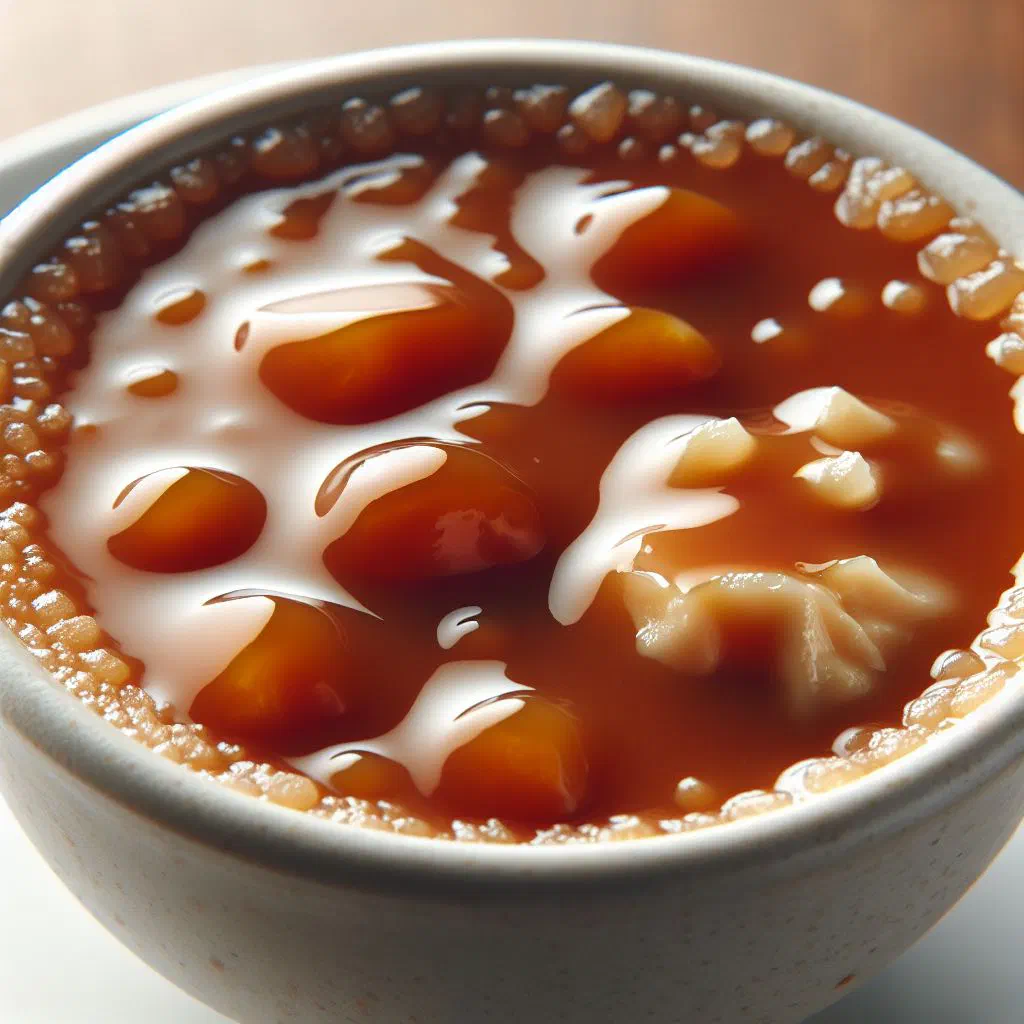
Meet Dulce de Leche Cortada, the Dominican Republic’s most charming sweet contradiction: milk deliberately curdled with lime, then simmered with sugar until it turns golden and caramelly. Where other cooks would panic at split milk, Dominican kitchens celebrate it. Those soft, tender curds are the whole point. It is a dessert of festivals, family Sundays and lazy Caribbean afternoons, and it needs nothing more than four humble ingredients and a little patience at the stove.
About Dulce de Leche Cortada
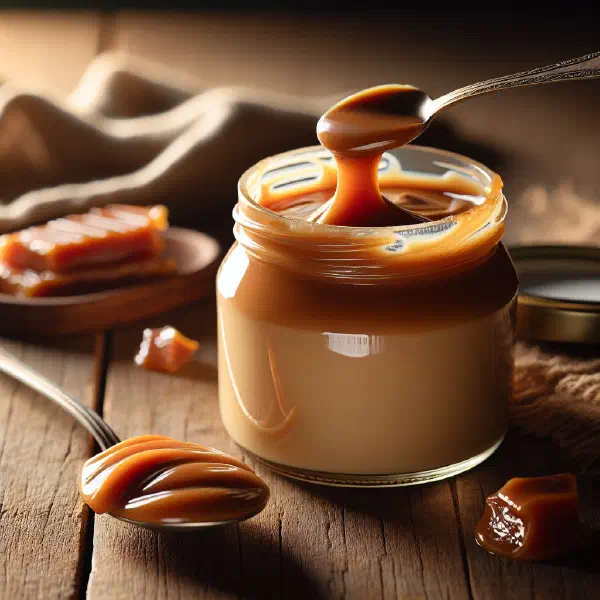
Dulce de Leche Cortada is a traditional dessert from the Dominican Republic, celebrated for its unmistakable flavour and its rich, spoonable consistency. It is built from a simple mixture of milk, sugar and lime juice, which together coax out the deep caramel notes that define the sweet. What sets it apart is the gently curdled, slightly lumpy texture that appears once the milk splits, a quality that is genuinely prized across the Caribbean rather than seen as a flaw. It is served at special occasions and is pure joy for anyone with a sweet tooth.
Ingredients (serves 1–2)
- 1 litre whole milk
- 200 g sugar
- 2–3 tablespoons lime juice
- 1 pinch of salt
Shopping for the ingredients
To make dulce de leche cortada properly you need fresh, good-quality ingredients. Reach for whole milk, as its fat content gives you both the best consistency and the fullest flavour. Choose a fine sugar that dissolves quickly and spreads evenly as it cooks. Fresh lime juice is essential, since it delivers exactly the acidity and fragrance needed to balance the sweetness, bottled juice rarely does the job as well.
Preparing the dish
Before you start on the Dulce de Leche Cortada, get everything measured out and within reach. This makes the cooking far simpler and means you never find yourself rushing at a critical moment. A large, heavy-based pan is ideal, because it spreads the heat evenly and keeps the milk from catching. Have a bowl or serving dish ready too, so the finished sweet can cool undisturbed and hold its texture.
Step-by-step instructions
- Put the milk and sugar into a large pan and warm over a medium heat until the sugar has fully dissolved.
- Add a pinch of salt to deepen the flavour, then bring the mixture up to the boil.
- Once it boils, lower the heat and let it simmer for around 15–20 minutes, stirring constantly.
- Finally add the lime juice and stir well until the milk curdles and soft lumps form.
- Pour the mixture into a suitable dish and leave it to cool so that it sets.
Gluten-free / lactose-free version
One of the best things about dulce de leche cortada is that it is naturally gluten-free. If you avoid gluten, you can enjoy this dessert with complete confidence, exactly as written. For a lactose-free version, simply check that the milk you use is lactose-free. There are plenty of excellent options on the shelves now, and they behave much the same way in the pan. The same easy adaptability applies to many Dominican sweets, including Dulce de Coco.
Tips for vegans and vegetarians
For a vegan take on dulce de leche cortada, use plant-based milks such as oat milk or almond milk. These alternatives give a similar body and a pleasantly nutty sweetness, though the curds will be softer. Do check that your sugar is vegan, as not every refined sugar is suitable. With these small swaps you have a delicious plant-based version of a traditional Caribbean treat.
More tips and tricks
A few small habits make all the difference. Stir the mixture regularly to stop it catching on the base of the pan and to keep the texture even. Never let the heat run too high, or the milk will boil over in seconds. For extra depth, add a pinch of cinnamon or a split vanilla pod while it simmers. Both are classic partners to caramel and lift the finished dessert considerably.
Adapting the recipe to your taste
The recipe adapts easily to your own preferences. If you like things sweeter, increase the sugar or stir in a spoonful of honey. Prefer something gentler? Simply cut the sugar back and let the lime come forward. Experimenting with flavourings such as cocoa powder or desiccated coconut gives the dessert a whole new character, the coconut route lands somewhere close to Flan de Coco territory.
Ingredient substitutions
Sometimes not everything is to hand. If you have no lime juice, lemon juice works perfectly well to achieve the same acidic balance and split the milk. Maple syrup can stand in as the sweetener instead of sugar, adding its own warm note. The main thing is to keep the balance between sweetness and acidity right, since that is what gives this Caribbean delicacy its signature taste.
Drink pairing ideas
Dulce de leche cortada goes beautifully with a wide range of drinks. The classic match is a strong coffee or an espresso, whose bitterness balances the dessert’s sweetness perfectly. A fresh tea or a cold soft drink also works nicely, as does a glass of Morir Soñando, the island’s famous milk-and-orange cooler. Try a few combinations to find the one that suits your table best.
Serving and presentation ideas
How you present dulce de leche cortada can lift the whole experience. Serve it in pretty glasses or small bowls so the layers and curds are visible. Garnish the surface with a dusting of cinnamon or a scattering of fresh lime zest for extra visual and aromatic appeal. A thoughtful presentation turns this humble sweet into the centrepiece of any celebration.
A bit of history
Dulce de leche cortada is deeply rooted in Dominican home cooking and has been a timeless classic there for generations. Its origins are generally traced to Spain, where similar caramelised milk sweets developed long ago and travelled across the Atlantic with colonial settlers. The distinctive curdled texture and bright citrus edge of the Dominican version, however, made it a favourite throughout the Caribbean, alongside staples of Dominican cuisine such as sancocho and mangú. The tradition is still very much alive today.
More recipe ideas
Summary: Dulce de Leche Cortada
Dulce de leche cortada is an indispensable part of Dominican gastronomy. With its very good combination of caramel sweetness and that famously curdled texture, it wins over locals and visitors to the Caribbean alike. This recipe brings a slice of Caribbean warmth straight to your table. Let its flavours tempt you, and enjoy a genuine taste of history.