National Dish Dominican Republic: Mofongo (Recipe)
In this article
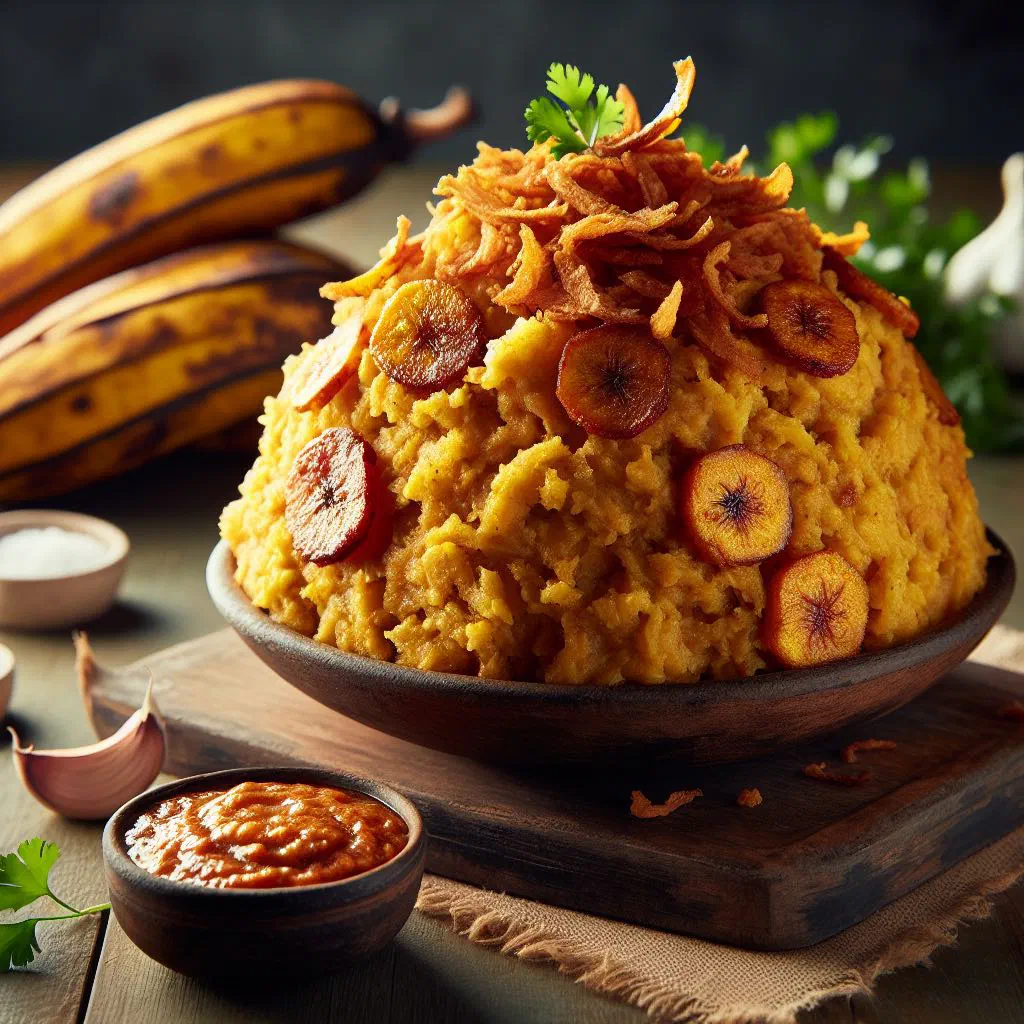
Discover Mofongo, the golden, garlicky mound of mashed plantains that sits right at the heart of Dominican cooking. Rich, savoury and wonderfully filling, it turns a handful of humble ingredients into something you will want to make again and again. Chicken or prawns, every spoonful carries the warmth and hospitality of the Caribbean straight to your table.
About Mofongo
Mofongo is a wonderfully satisfying dish with its roots in the Dominican Republic. It is built mainly from mashed plantains, lifted with spices and a range of complementary ingredients. Traditionally, mofongo is made with plenty of garlic, lard and a choice of meat or seafood. The dish is a treat for the palate and a piece of living culture, reflecting the generous hospitality the country is known for.
Ingredients (serves 1–2)
- 2–3 ripe plantains
- 4–5 garlic cloves
- 50 g lard or olive oil
- 200 g meat (pork, chicken or prawns)
- Salt and pepper to taste
- Fresh herbs, to garnish (coriander, for example)
Shopping for the ingredients
To make a good mofongo, the ingredients should be fresh and of decent quality. Ripe plantains are the key to an ideally creamy texture. When buying meat or seafood, pay attention to origin and freshness so the flavours come through at their best, the same care that pays off in a plate of Camarones Al Ajillo. Fresh herbs add an aromatic note and should not be left out either.
Preparing the dish
Before you begin cooking mofongo, make sure every ingredient is prepped and fresh. Start by peeling the plantains and cutting them into chunks. These pieces are then simmered in lightly salted water until tender. While the plantains cook, you can prepare the meat or seafood and brown it in a pan to deepen the flavours.
Step-by-step instructions
- Bring the peeled and chopped plantains to the boil in a pan of salted water.
- Cook until soft (about 15–20 minutes), then drain.
- Heat the lard in a frying pan and add the finely chopped garlic.
- Add the prepared meat or seafood and fry until nicely browned.
- Tip the cooked plantains into a bowl and mash them with a fork or in a pestle and mortar.
- Fold the fried ingredients through the plantain mash and season to taste.
- Press the mofongo into a mould, let it rest briefly, then turn it out and serve.
Gluten-free / lactose-free version
This recipe is naturally gluten-free and lactose-free, as it contains neither wheat products nor dairy. That makes it an excellent choice for anyone with food intolerances. If you are using shop-bought products, do check that the lard or oil is certified gluten-free.
Tips for vegans and vegetarians
For a vegan or vegetarian mofongo, simply swap the meat for vegetables or plant-based proteins such as tofu or tempeh. Instead of lard, use olive oil or another plant-based fat. Mofongo is every bit as delicious when it is finished with roasted vegetables and aromatic spices, much like the meat-free comfort of Berenjenas Guisadas. These variations bring a fresh angle to the flavour and open the dish up to a wider circle of eaters.
More tips and tricks
One of the most important tricks with mofongo is cooking the plantains correctly. Avoid overcooking them, or they will turn mushy rather than fluffy. You can also adjust the ingredients to make the flavour entirely your own. Experiment with different spices or fillings to give your mofongo a personal signature.
Adapting the recipe to your taste
The beauty of mofongo is how remarkably adaptable it is. Depending on what you fancy, you can change the type of meat or seafood, or leave it out altogether. Extra spices such as paprika or cumin can be worked in to shift the profile further. That freedom lets you play with different flavours and turn the recipe into your own culinary creation.
Ingredient substitutions
If you do not have the right ingredients to hand, there is always an alternative. Green plátanos, common in many Latin American and Asian households, work beautifully in place of riper plantains, much as they do in Tostones. For the fat, coconut oil is a fine option that lends the dish an exotic note. Substitutions like these make mofongo easy to cook wherever you are and with whatever is available.
Drink pairing ideas
To round off the mofongo experience there are plenty of drinks that suit it well. A fresh, fruity cocktail such as a mojito or piña colada pairs wonderfully with the dish’s savoury depth. Alternatively, serve a classic rum or a full-bodied red wine to underline the flavours. A chilled sparkling water is another excellent choice for cleansing the palate between mouthfuls.
Serving and presentation ideas
Presentation matters here. Serving mofongo simply but thoughtfully, in a bowl or turned out onto a plate, is already a pleasure to look at. Garnish the dish with fresh herbs or brightly coloured vegetables to bring out its warm tones. A well-dressed plate not only makes the mofongo feel special, it also creates an inviting impression at the table.
A bit of history
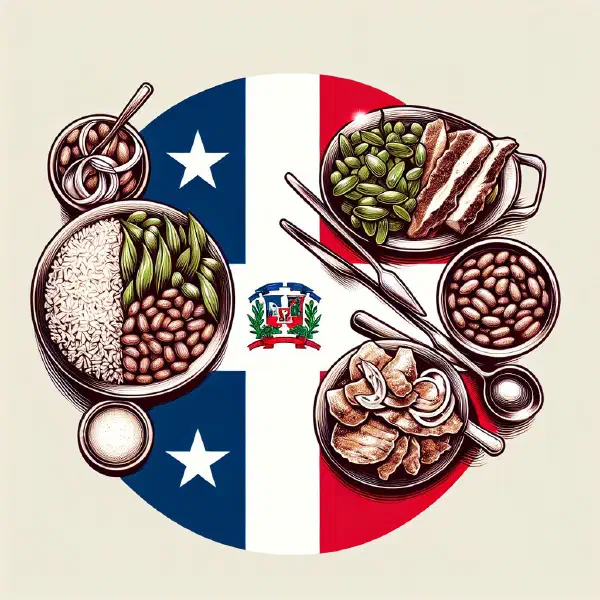
Mofongo has a history that traces back in part to the African and indigenous roots of Dominican cooking. The pairing of plantains with a variety of other ingredients has evolved over centuries and mirrors the cultural wealth of the region. It is often served at celebrations and remains a much-loved family meal, alongside classics like La Bandera Dominicana. Mofongo therefore stands for more than a recipe: it is a symbol of the communal eating culture that runs through Dominican cuisine.
More recipe ideas
Summary: Mofongo
Mofongo is far more than a plate of food; it is a genuine symbol of Dominican culture. Built from simple yet unmistakable ingredients, it offers a flavour experience that feels at home in traditional and modern kitchens alike. The recipe’s versatility means it can be shaped around personal preferences, so everyone can arrive at their own delicious version. In short, mofongo is an indispensable part of Dominican gastronomy, and one that everybody should try at least once.