National Dish Dominican Republic: Moro de Guandules (Recipe)
In this article
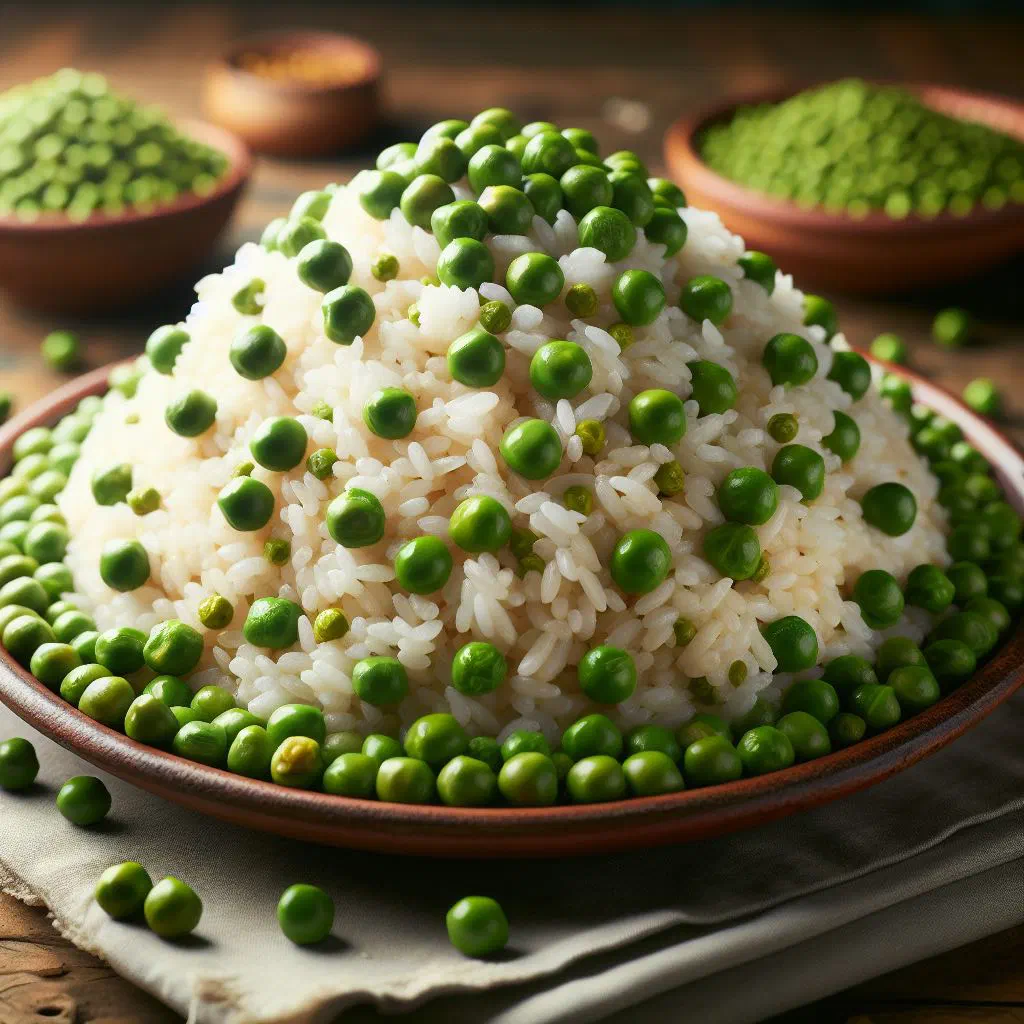
Say hello to Moro de Guandules, the fragrant rice-and-pigeon-pea dish that turns up at every Dominican family gathering. Tender guandules cook together with rice, sweet peppers and warm spices until every grain has taken on colour and flavour. It is humble, filling and unmistakably Caribbean, the kind of dish that fills the kitchen with aroma long before anyone sits down to eat.
About Moro de Guandules
Moro de Guandules is a traditional Dominican dish built around rice and guandules, better known in English as pigeon peas. It is a firm favourite not only in the Dominican Republic but right across the Caribbean. Beyond its savoury, gently spiced flavour, the dish is an excellent source of protein and fibre, which makes it as nourishing as it is satisfying. Balanced and generous, it works beautifully as a main course for any occasion, from a quiet weeknight to a full-blown celebration.
Ingredients (serves 1–2)
- 1 cup rice
- 1 cup guandules (fresh or tinned)
- 2 cups water or vegetable stock
- 1 onion, diced
- 1 garlic clove, chopped
- 1 pepper, diced
- 2 tablespoons olive oil
- 1 teaspoon salt
- ½ teaspoon pepper
- ½ teaspoon cumin
- Fresh coriander leaves, to garnish
Shopping for the ingredients
Most of what you need for moro de guandules is easy to find in any well-stocked supermarket. Choose fresh guandules when they are in season, as they give the dish a noticeably brighter flavour. If fresh ones are unavailable, tinned pigeon peas do the job perfectly well. Just drain them thoroughly first. For the spices, local markets and Asian or Caribbean grocers are worth a visit, since they often carry better quality at a friendlier price.
Preparing the dish
Begin with the preparation of the ingredients. Rinse the rice thoroughly under cold water to wash away the excess starch, which keeps the grains from turning sticky as they cook. Cut the vegetables into evenly sized pieces so that everything cooks at the same rate. Chop the onion, garlic and pepper reasonably small so they soften quickly once they hit the hot oil, in much the same way you would for a plate of Arroz con Pollo.
Step-by-step instructions
- Heat the olive oil in a large pan and fry the diced onion and chopped garlic until soft and lightly golden.
- Add the diced pepper and cook for a further 2 minutes.
- Tip in the guandules and stir well so the flavours begin to mingle.
- Add the rice and the spices — salt, pepper and cumin — and stir once to combine.
- Pour in the water or vegetable stock and bring everything to the boil.
- Cover the pan, reduce the heat and let the rice cook for 20 minutes, until tender.
- Take the pan off the heat and leave the rice to rest for 5 minutes before fluffing it with a fork.
- Garnish with fresh coriander leaves and serve.
Gluten-free / lactose-free version
Moro de Guandules is naturally gluten-free and lactose-free, since it consists mainly of rice and vegetables. If you are cooking for someone with an intolerance, do check your spice blends and stock cubes for additives that may contain gluten. Using fresh vegetables and good-quality rice keeps the dish both wholesome and full of flavour, so guests with particular dietary needs can tuck in without a second thought.
Tips for vegans and vegetarians
For vegans and vegetarians, moro de guandules is an excellent choice, as it contains no animal products at all. Swap shop-bought stock for a homemade vegetable stock and you will get considerably more depth of flavour. Adding other vegetables, courgette or carrot, for instance, enriches the dish and makes it more colourful too. The same approach works nicely with Habichuelas Guisadas.
More tips and tricks
There are a few tips and tricks worth remembering for a perfect moro. Use good-quality rice to improve both texture and taste. Combining several spices helps to deepen the aroma, and a bay leaf added to the pot does no harm at all. Be adventurous: a few chillies or a pinch of extra seasoning let you shape the dish to your own liking.
Adapting the recipe to your taste
The recipe adapts easily to personal preference. If you like heat, add fresh chillies or hot peppers to the pan. Alternatively, fold in a protein such as tofu or seitan to make the dish more substantial. A squeeze of lime at the very end adds a fresh note and lifts all the other flavours, a trick that also suits Tostones very well.
Ingredient substitutions
If guandules are nowhere to be found, chickpeas or black beans make good alternatives. Both pulses bring plenty of protein and a similarly creamy texture. Coconut oil can stand in for olive oil if you want a more tropical note. Experiment with different combinations until you land on the version of moro de guandules that suits your palate best.
Drink pairing ideas
Plenty of drinks complement moro de guandules. A freshly made alcohol-free mojito with mint and lime is wonderfully refreshing. If you would rather have something alcoholic, a sweeter white wine or a craft beer both work well. A glass of Morir Soñando is the most Dominican choice of all, and gives the meal a properly festive feel.
Serving and presentation ideas
Presentation makes a real difference to the pleasure of the meal. Serve the dish in attractive, colourful bowls and garnish with fresh coriander leaves and slices of lime. Placing extra vegetables around the plate creates a pleasing harmony of colour. Plates that look inviting do not just please the eye. They sharpen the appetite as well.
A bit of history
Moro de Guandules has a history bound up with the culture of the Dominican Republic. The dish is a fusion of African, Spanish and indigenous influences that developed over centuries. Pigeon peas have long been valued across the Caribbean as a protein-rich staple, prized by indigenous communities well before colonial times. Today the dish is a fixture at festivals and family celebrations, and a cornerstone of Dominican cuisine.
More recipe ideas
Summary: Moro de Guandules
In short, Moro de Guandules is a splendid dish: straightforward to make, yet offering a whole range of flavours. The combination of rice, guandules and freshly prepared vegetables makes it a nourishing and tasty option for any meal. With so many possible adaptations and substitutions, it can be tailored to just about every taste. Enjoy this traditional classic and let its depth of flavour win you over.