National Dish Dominican Republic: Moro de Habichuelas (Recipe)
In this article
Discover Moro de Habichuelas, the rice-and-bean classic that sits at the very heart of Dominican home cooking. Rice is simmered together with tender black beans, sweet peppers and a warm rub of cumin and oregano until every grain takes on colour and flavour. It is honest, filling, everyday food, the kind of dish that fills a kitchen with the sunny spirit of the Caribbean and brings everyone to the table at once.
About Moro de Habichuelas
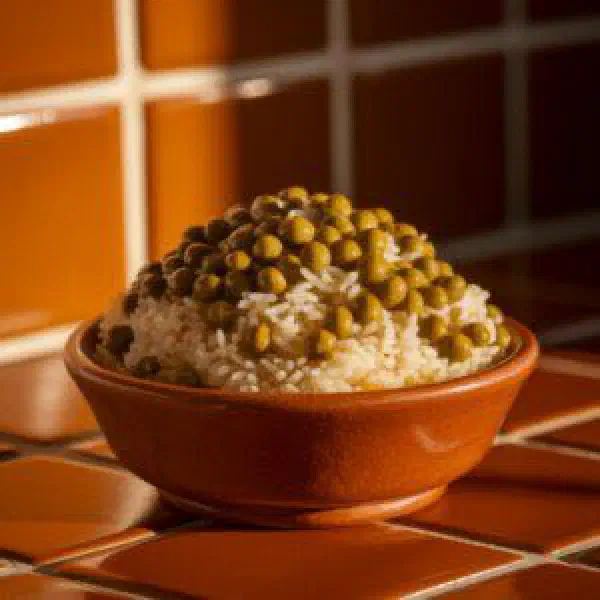
Moro de Habichuelas is a traditional dish from the Dominican Republic that combines rice and beans in the most delicious way. It has become one of the country’s best-loved plates, prized for its unmistakable flavour. The blend of aromatic spices and fresh ingredients makes for a wonderful eating experience and reflects the wide-ranging Caribbean cuisine it belongs to. It is often served as a main course, though it works just as beautifully as a side alongside meat or fish dishes such as Pollo Guisado.
Ingredients (serves 1–2)
- 1 cup rice
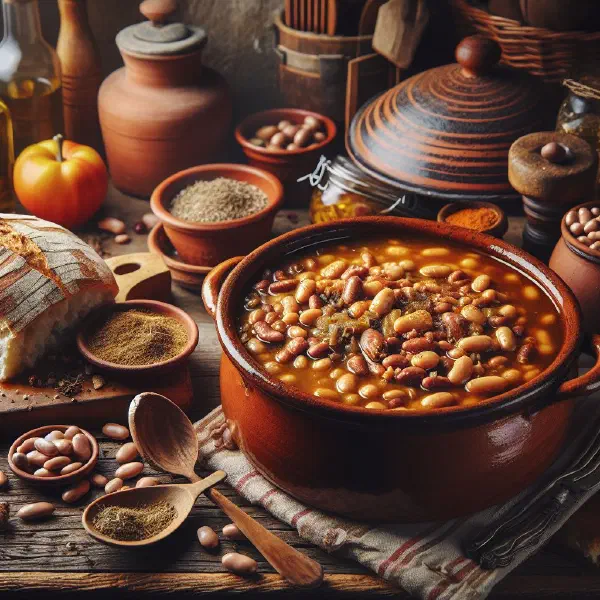
- 1 cup black beans (pre-cooked)
- 2 cups vegetable stock or water
- 1 onion, diced
- 2 cloves of garlic, chopped
- 1 pepper, diced
- 1 teaspoon cumin
- 1 teaspoon oregano
- Salt and pepper to taste
- Olive oil
Shopping for the ingredients
Before you start cooking moro de habichuelas, it is worth gathering all the ingredients you need. Visit a local market or supermarket to find produce at its freshest. Take care to choose good-quality beans and spices, as these have a decisive influence on the flavour of the finished dish. While you are there, look out for fresh herbs and vegetables that can be used to round out and sharpen the taste.
Preparing the dish
Preparing moro de habichuelas is simple and straightforward. If your beans are not already cooked, soak them in water first and then simmer them until soft. Meanwhile, prepare the vegetables, onion, pepper and garlic, and chop them into small pieces. It is also a good idea to rinse the rice to wash away excess starch, which gives you a lighter, fluffier result.
Step-by-step instructions
- Heat 2 tablespoons of olive oil in a large pan over medium heat.
- Add the onions, garlic and pepper and fry until soft.
- Stir in the rice and toast it gently for 1–2 minutes.
- Add the pre-cooked beans, vegetable stock, cumin, oregano, salt and pepper.
- Bring the mixture to the boil, then reduce the heat, cover the pan and leave it to simmer for 20 minutes.
- After 20 minutes take the pan off the heat and let it rest for a further 5 minutes before serving.
Gluten-free / lactose-free version
Moro de habichuelas is naturally gluten-free and lactose-free, which makes it an excellent choice for anyone with an intolerance. Do check, however, that every ingredient you use meets the relevant dietary requirements. Use a vegetable stock that is labelled gluten-free, for example, and steer clear of anything that might contain lactose. That way the dish can be enjoyed to the full without any compromise on flavour.
Tips for vegans and vegetarians
For vegans and vegetarians, moro de habichuelas is an ideal meal, rich in both plant protein and nutrients. To make it even more nourishing, add extra vegetables such as courgette or carrots. Herbs and spices can be adjusted freely to suit your own palate. Serve the dish with a crisp green salad on the side for extra crunch and a few more vitamins, much as you would with Habichuelas Guisadas.
More tips and tricks
Cooking is often a matter of trying things out, and moro de habichuelas is no exception. Experiment with different spices, or add a pinch of chilli if you like a bit of heat. To deepen the flavour further, stir in a small amount of coconut milk for a creamier texture. And do not forget to garnish the finished dish with fresh coriander or parsley to make it look as good as it tastes.
Adapting the recipe to your taste
One of the best things about moro de habichuelas is how versatile it is. You can tailor the recipe entirely to your own preferences by trying different beans, kidney beans or chickpeas, for instance, or by following the pigeon-pea route taken in Moro de Guandules. The type of rice can be varied too, giving you new textures and aromas to play with. Feel free to be creative and treat the recipe as a base for your own culinary creations.
Ingredient substitutions
If you have no black beans to hand, swap them in your moro de habichuelas for other pulses such as red lentils or white beans. The vegetables can be varied as well: use sweet or hot peppers depending on how you want the dish to taste. And if there is no rice in the cupboard, quinoa makes a tasty and nutritious alternative. This flexibility is a large part of what makes the dish so appealing.
Drink pairing ideas
To round off the moro de habichuelas experience, choose drinks that underline its flavours. A fruity sangria or a cold local beer goes wonderfully with the spices in the dish. For something without alcohol, a fresh passion fruit juice in the style of Jugo de Chinola brings out the Caribbean notes beautifully. Experiment with a few options until you find your perfect combination.
Serving and presentation ideas
Presentation can lift the whole moro de habichuelas experience considerably. Serve the dish in colourful bowls or on large plates, finished with fresh coriander or a squeeze of lime. You might also add a few slices of avocado or some fried plantain such as Tostones on the side to create a lovely spread of colour. Good presentation whets the appetite and makes the food all the more inviting.
A bit of history
Moro de habichuelas has its roots in Dominican culture, which draws heavily on African, Spanish and indigenous cooking. Beans and rice are staple foods across many Caribbean countries and are typically combined with local spices and produce. Historically, the dish was a way of using food efficiently and creating a nourishing meal for the whole community. Today moro de habichuelas is regarded as a symbol of Dominican cuisine and still brings people together to enjoy both the food and each other’s company.
More recipe ideas
Summary: Moro de Habichuelas
All in all, moro de habichuelas is an essential dish that represents traditional Dominican cooking at its best. It brings together simple but flavourful ingredients, prepared in a warm and satisfying way. The sheer number of ways it can be adapted makes it a great choice for every palate. Moro de habichuelas puts the Caribbean straight on your table and invites everyone to discover the authentic taste of the Dominican Republic.