National Dish Dominican Republic: Pasteles en Hoja (Recipe)
In this article
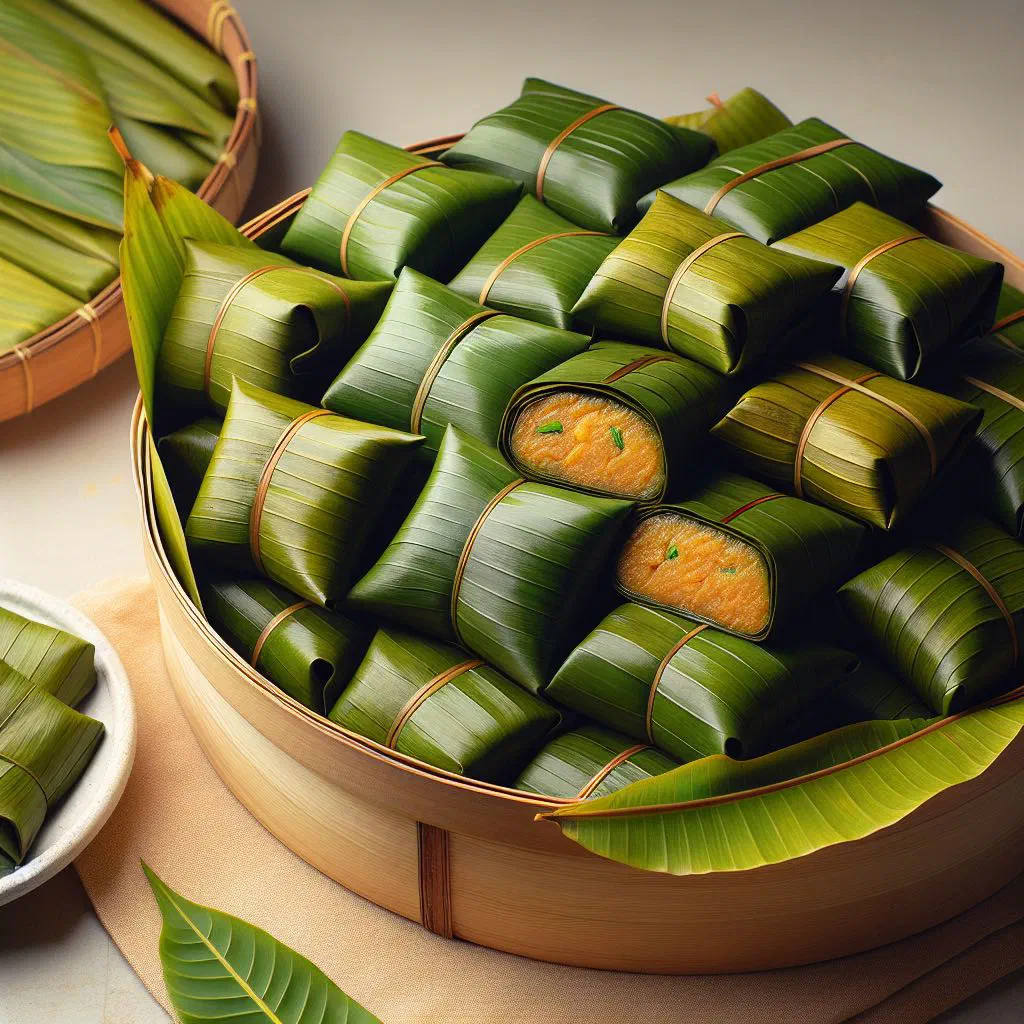
Discover Pasteles en Hoja, one of the most treasured dishes of the Dominican Republic. Savoury parcels of masa dough are filled with seasoned meat or vegetables, wrapped in banana leaves and gently steamed until fragrant. The leaves lend a subtle, earthy perfume that no pan can imitate. Traditionally made for Christmas and family celebrations, these little bundles are as much about togetherness as they are about flavour.
About Pasteles en Hoja
Pasteles en Hoja are a very special part of Dominican cooking, adored by locals and visitors alike. These delicious dough parcels, wrapped in banana leaves, are prepared with all sorts of fillings, meat, seafood or vegetables. The combination of warm, savoury spices and the distinctive wrapped preparation makes them an essential feature of any celebration. They appear most often at holidays and special occasions, which only adds to their popularity.
Ingredients (serves 1–2)
- 2 cups corn flour (masa)
- 1 cup water or vegetable stock
- 250 g meat (chicken, beef or pork), or a vegetarian filling
- 1/2 cup vegetables (carrots, peas, peppers)
- 1 onion, finely chopped
- 2 garlic cloves, crushed
- 1 teaspoon oregano
- Banana leaves, for wrapping
- Salt and pepper to taste
Shopping for the ingredients
For a perfect batch of pasteles en hoja it is important to choose the right ingredients. Most of them are easy enough to find in any well-stocked supermarket. Pay particular attention to the masa and the banana leaves, as these are what make the dish authentic. Look for fresh or frozen banana leaves, which are widely available in Latin American grocery shops, the same aisle that will supply the plantains for Mofongo.
Preparing the dish
To get the best from pasteles en hoja, give yourself plenty of time for the preparation. Begin by cleaning the banana leaves and warming them briefly so they become supple and easy to fold. Then make the filling by frying the meat with onions, garlic and spices. Let this aromatic mixture cool a little before it is wrapped inside the dough.
Step-by-step instructions
- Knead the masa with water or stock into a smooth dough and season with salt.
- Lay the banana leaves on a clean work surface and place a portion of dough in the centre of each.
- Spoon a suitable amount of the prepared filling into the middle of the dough.
- Fold the banana leaves over the filling and seal the parcels well.
- Steam the wrapped pasteles in a large pan of boiling water for about 1 to 1.5 hours.
Gluten-free / lactose-free version
Pasteles en hoja are naturally gluten-free, since they are made with corn flour rather than wheat. To make sure the dish is lactose-free as well, simply use a plant-based butter or oil when cooking the filling. Every ingredient can be adjusted to suit your own dietary needs, which makes the recipe wonderfully accessible. That way anyone with special requirements can still enjoy this traditional dish.
Tips for vegans and vegetarians
If you would like your pasteles en hoja to be vegan or vegetarian, replace the meat with a mixture of vegetables, pulses or tofu. These ingredients offer a nourishing filling and a lovely range of flavours and textures. Spices are just as important for giving the filling depth. Try cumin, paprika or freshly chopped coriander. Remember to check the dough too, so that every ingredient used is genuinely plant-based.
More tips and tricks
To make pasteles en hoja easier to manage, it helps to have all your ingredients properly prepped. Plan a few of the steps in advance, especially frying the filling and getting the leaves ready for wrapping. It is also a good idea to make a larger batch and freeze the extras for later. That saves time and means you can satisfy a sudden craving for these delicious parcels at a moment’s notice.
Adapting the recipe to your taste
The beauty of pasteles en hoja lies in their versatility, which lets you tailor the recipe to your own palate. Experiment with different meats or vegetables to discover new flavour combinations. A little extra kick comes from regional spices such as pimentón, which deepens the aromas considerably. Be creative and develop your own version of this Dominican classic, much as cooks do with Pastelón de Plátano Maduro.
Ingredient substitutions
If certain ingredients are not to your liking or simply cannot be found, there are plenty of alternatives. The masa can be swapped for a gluten-free flour blend that binds well. The meat can be replaced with plant proteins such as tempeh, which gives the parcels an entirely new dimension. You could also try different vegetables to brighten the filling and add extra nutrients.
Drink pairing ideas
A dish as good as pasteles en hoja deserves a well-chosen drink alongside it. A cold ginger ale or a glass of Dominican rum complements the flavours beautifully. For an alcohol-free option, a chilled fruit juice made with local fruit such as mango or pineapple works splendidly, very much in the spirit of a Jugo de Chinola. Either way, the meal becomes that bit more generous and enjoyable.
Serving and presentation ideas
Presentation matters a great deal with pasteles en hoja. Wrap the parcels carefully in fresh banana leaves and tie them with kitchen string. It looks handsome and holds everything neatly together. Serve them on a colourful plate and garnish with fresh herbs or wedges of lime. This creates an attractive, welcoming look that whets the appetite before the first bite.
A bit of history
Pasteles en hoja have their roots in the African and indigenous cooking traditions of the Caribbean. As people arrived from many different cultures, a great variety of preparations and fillings developed. Using banana leaves is not merely practical: it lends a unique fragrance that lifts the whole dish. They are also something of a symbol of community, since making and sharing them is usually a sociable event and a fine introduction to Dominican cuisine.
More recipe ideas
Summary: Pasteles en Hoja
In short, pasteles en hoja are a traditional and thoroughly flavoursome part of Dominican cooking that adapts easily to different preferences. Whether vegan, gluten-free or entirely classic, the variations are almost limitless. The pairing of fragrant masa dough with a generous filling makes these parcels a real treat. Gather friends or family to help with the wrapping, because with pasteles en hoja you are bringing a piece of Caribbean warmth to the table.