National Dish Dominican Republic: Picapollo (Recipe)
In this article
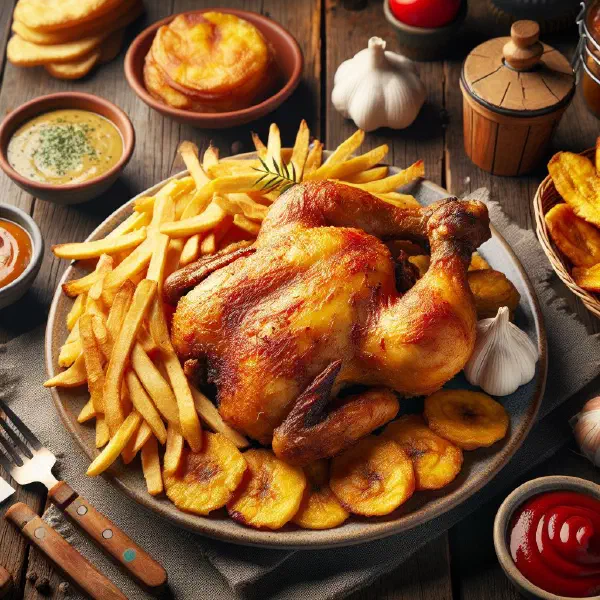
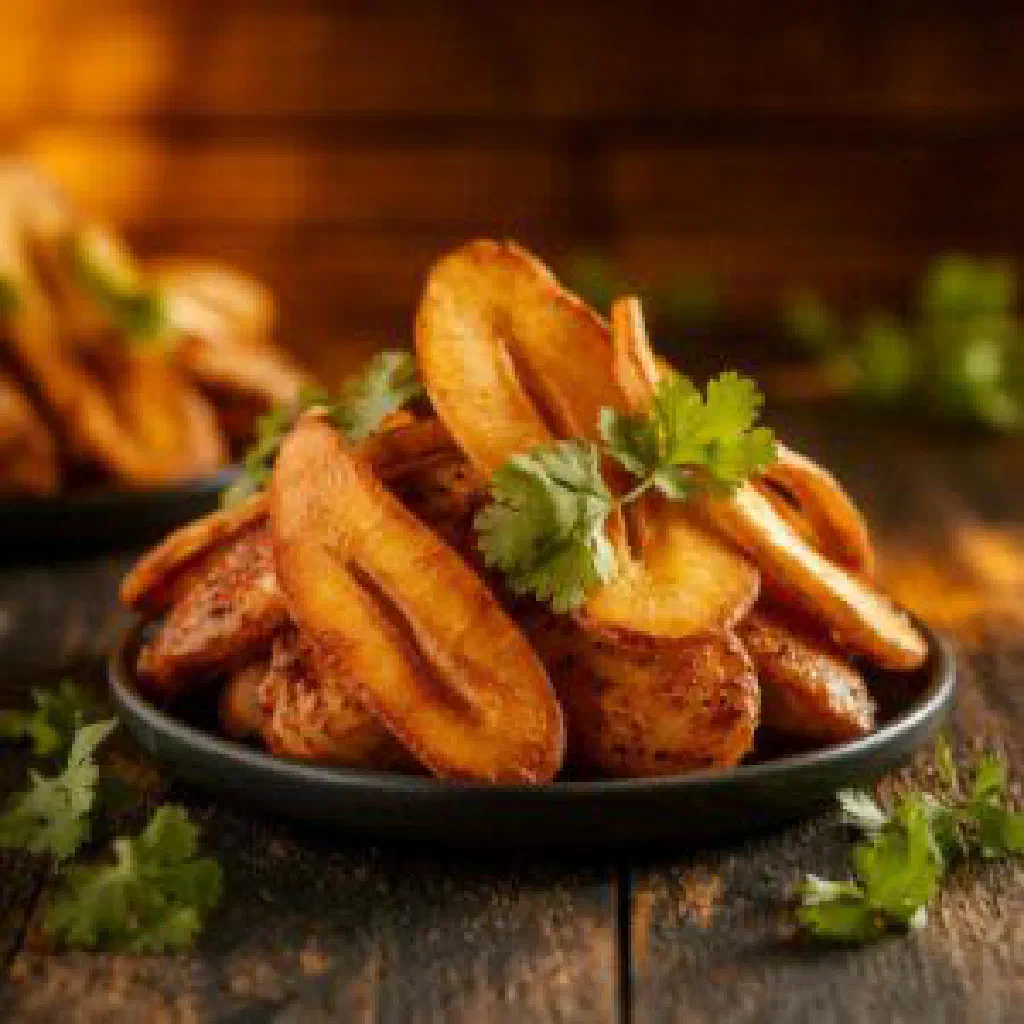
Meet Picapollo, the crisp, golden fried chicken that Dominicans queue up for on street corners from Santo Domingo to Puerto Plata. A well-seasoned coating shatters at the first bite and gives way to juicy meat underneath, carrying the warm Caribbean flavours of paprika, garlic and onion. It is quick, generous and unfussy, the kind of food that turns an ordinary evening into a small celebration.
About Picapollo
Picapollo is the national dish of the Dominican Republic and is adored by locals and visitors alike. This crispy chicken dish is cooked in a beautifully seasoned coating that makes every mouthful a treat. The distinctive spice blend gives it a character all of its own, one that mirrors the bright flavours of the Caribbean. Picapollo brings a piece of Dominican culture straight to the table.
Ingredients (serves 1–2)
- 500 g chicken thighs or breast
- 200 g plain flour
- 2 eggs
- 1 cup breadcrumbs
- 1 teaspoon paprika
- 1 teaspoon garlic powder
- 1 teaspoon onion powder
- Salt and pepper, to taste
- Oil, for frying
Shopping for the ingredients
When shopping for Picapollo, the quality of the chicken matters most. Fresh, well-reared meat gives you a better flavour and a far juicier texture. The spices are just as important, since they are what lend the dish its signature note. Most of what you need is easy to find in an ordinary supermarket, and larger stores or Latin American grocers will have everything else.
Preparing the dish
Making Picapollo involves a few preparatory steps that shape the final result. Begin by rinsing the chicken and patting it thoroughly dry, which is the secret to a properly crisp crust. Beat the eggs in one bowl, and in a second bowl combine the flour with the spice mixture. Setting up this simple assembly line ensures every piece of chicken is packed with flavour and texture.
Step-by-step instructions
- Cut the chicken into pieces and place them in a bowl.
- Mix the flour with the paprika, garlic powder, onion powder, salt and pepper.
- Turn the chicken pieces first in the seasoned flour, then in the beaten egg, and finally in the breadcrumbs.
- Heat the oil in a pan and fry the coated pieces until golden brown and crisp.
- Drain the finished pieces on kitchen paper and serve with rice, beans and salad as you like.
Gluten-free / lactose-free version
For a gluten-free Picapollo, swap the plain flour for rice flour or a gluten-free flour blend. Make sure the breadcrumbs are gluten-free too, health food shops and most large supermarkets stock them. A lactose-free version needs no work at all, since the recipe contains no dairy to begin with.
Tips for vegans and vegetarians
Picapollo adapts surprisingly well for vegans and vegetarians. Replace the chicken with firm tofu or a plant-based chicken substitute of a similar texture. Marinate the tofu in the same spices for maximum flavour, and press it well beforehand so the coating clings properly. The method stays exactly the same, so you still get that wonderfully crunchy crust, much like the crisp edges of good Tostones.
More tips and tricks
To achieve the perfect crust, make sure the oil is properly hot before the chicken goes in. Crowding the pan traps steam and leaves you with a pale, soggy coating instead of a golden one. For a lighter version, you can bake the pieces instead: lay them on a tray and cook in a preheated oven until crisp and golden. A wire rack under the chicken helps the heat circulate and keeps the underside from going soft.
Adapting the recipe to your taste
Picapollo is easy to tune to different palates. Play with the seasoning, chilli for a fiery kick, or dried oregano and fresh herbs for a brighter note. The choice of oil matters too: rapeseed oil is reliable and neutral, while coconut oil lends the dish a distinctly tropical aroma.
Ingredient substitutions
There are plenty of substitutions that can enrich the recipe. Instead of chicken, fish fillets work beautifully and take the dish in an entirely different direction. Local vegetables such as cassava or aubergine also coat and fry well, giving you a delicious vegetarian variant in the spirit of Berenjenas Guisadas. Your choice of sides opens up further combinations, Arroz Blanco and Habichuelas Guisadas are the classic partners.
Drink pairing ideas
Tropical drinks are the natural match for a dish like Picapollo. A freshly blended mango smoothie or a classic mojito both make excellent companions. A chilled sorrel drink, brewed from hibiscus flowers, harmonises wonderfully with the seasoning, and the creamy orange-and-milk Morir Sonando is the Dominican favourite. Any of them bring a little of the Caribbean to your table.
Serving and presentation ideas
Picapollo can be presented very attractively to whet the appetite. Serve the fried pieces on a large platter with a colourful salad and fresh vegetable sides. Garnish with lime wedges, whose sharpness cuts through the richness of the coating beautifully. Decorating the plate with bright rice or a spoonful of beans rounds the whole thing off nicely.
A bit of history
Picapollo has its roots in Caribbean cooking, shaped over centuries by Spanish, African and indigenous influences, with a further nod to the Chinese-Dominican cooks who popularised frying it this way. The dish reflects the history of the Dominican Republic and is now firmly part of everyday communal life. You will find it at roadside stands and fritura stalls, often served alongside the plates that make up La Bandera Dominicana. Passed down through generations, it remains as popular as ever within Dominican cuisine.
More recipe ideas
Summary: Picapollo
Picapollo is an essential part of Dominican cooking, as rewarding culturally as it is on the plate. The combination of freshly coated, crisply fried chicken and generous sides makes it a genuine feast. With so many ways to adapt it for different diets, it is a dish that almost everyone can enjoy. Give the recipe a go and discover the flavours of the Caribbean for yourself.