National Dish Ecuador: Dulce de Higo (Recipe)
In this article
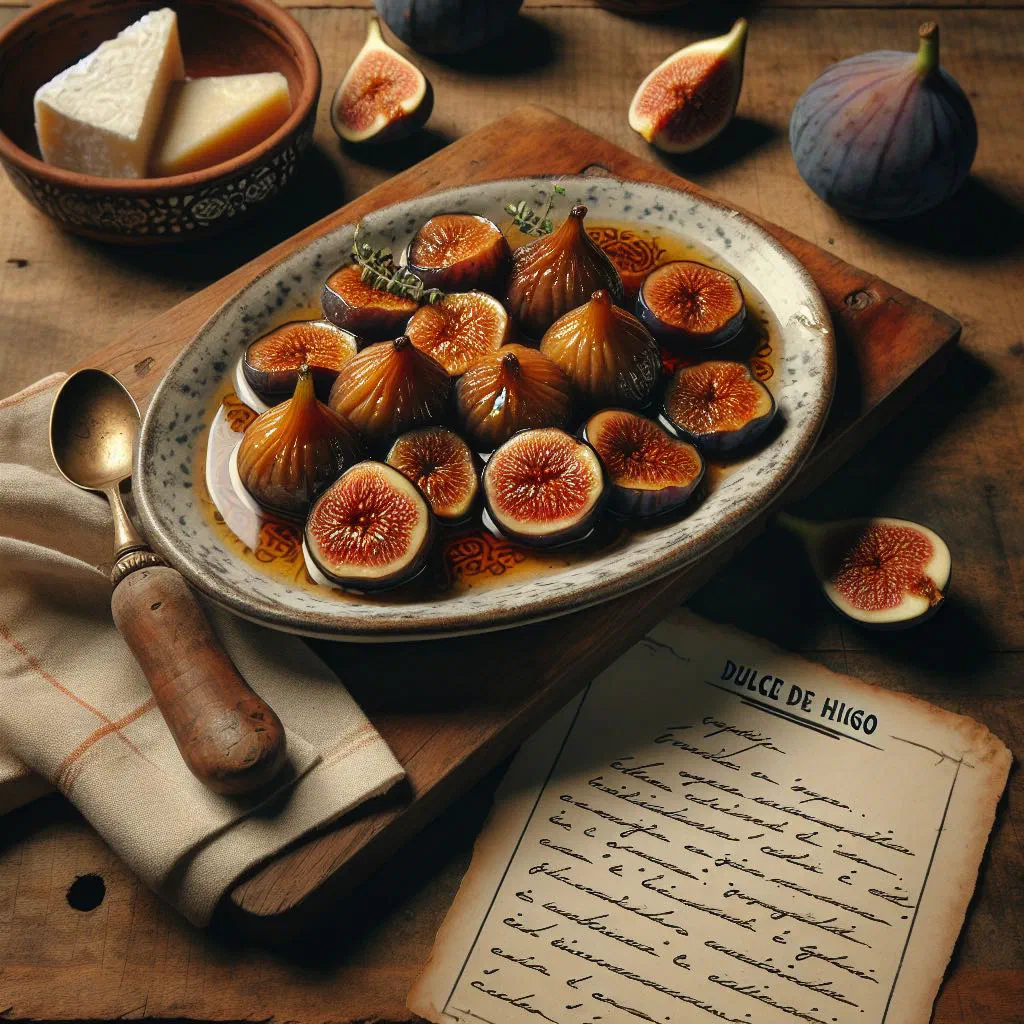
Discover Dulce de Higo, a beloved Ecuadorian dessert that turns freshly picked figs into something truly special. The fruit is gently simmered in a fragrant, spiced syrup until it takes on a deep, glossy sweetness. Enjoyed on its own or served alongside a slice of cheese, this classic brings a touch of Andean tradition to the table. Let this timeless treat charm you with its warmth and simplicity.
About Dulce de Higo
Dulce de Higo is a traditional Ecuadorian dish made from freshly harvested figs. The fruit is cooked slowly in an aromatic syrup that lends it a unique, mellow sweetness. This dessert stands out for its flavour and for its versatility. Dulce de Higo brings a real sense of local tradition and culture to any table. It is a staple of Ecuadorian home cooking and a wonderful example of the country’s love for simple, fruit-based sweets.
Ingredients (serves 1–2)
- 200 g fresh figs
- 100 g sugar
- 200 ml water
- 1 cinnamon stick
- Juice of half a lemon
Shopping for the ingredients
For Dulce de Higo you should pick out fresh, fully ripe figs. These are often found at local markets or in well-stocked supermarkets. The sugar and the cinnamon stick are just as easy to come by. Where possible, choose regional produce to guarantee the best flavour and the finest quality. Ripe, unblemished fruit really is the key to a memorable result.
Preparing the dish
Before you begin, wash the figs thoroughly. Trim off the stalks and leave the fruit whole or halved, depending on your preference. It is important to prepare the figs so that the sweet flavours of the syrup can seep right into the fruit as it cooks. Squeeze the lemon juice ahead of time too, as it is added during the cooking process.
Step-by-step instructions
- Put the water and sugar into a saucepan and bring the mixture to the boil.
- Add the cinnamon stick and the freshly squeezed lemon juice.
- Add the prepared figs to the syrup and let them simmer gently for 20–30 minutes.
- Be patient and watch as the figs turn soft and soak up the syrup.
- The figs are ready when they have a glossy, syrupy coating. Let them cool before serving.
Gluten-free / lactose-free version
Dulce de Higo is naturally gluten-free and lactose-free, as it is made purely from fruit and sugar. This makes the dessert an ideal choice for anyone with a gluten or lactose intolerance. You can enjoy it with complete peace of mind and work it into your diet without needing any special adjustments. For another naturally light, fruit-forward treat, try Uvilla Con Miel.
Tips for vegans and vegetarians
For vegans, Dulce de Higo is an excellent option, as it contains no animal products. It is worth making sure the sugar used for the syrup is also vegan, which is generally the case. Vegans can round out the recipe with toppings such as plant-based cream or nuts for an interesting bit of texture. The dessert also pairs beautifully with dairy-free cheese alternatives.
More tips and tricks
A few tips and tricks can make a real difference when preparing Dulce de Higo. Take care not to cook the figs for too long, so they hold their shape and consistency. Using a combination of different sugars can help deepen the flavour. Ideally, cook the dessert the day before serving so the aromas have plenty of time to develop and settle into the fruit.
Adapting the recipe to your taste
There are plenty of ways to tailor Dulce de Higo to your own preferences. Add different spices such as cloves or ginger, for instance, to create interesting new flavour notes. You can also vary the sweetness by increasing or reducing the amount of sugar to suit your taste. Be creative and experiment with different presentations and garnishes to impress your guests, much as you might with a bowl of Arroz Con Leche.
Ingredient substitutions
If you do not have fresh figs to hand, you can also use dried figs. These will need a little longer to cook, as they have to take on more moisture. Honey can be used as a natural sweetening alternative too, giving the dish an extra layer of flavour. Bear in mind, however, that this may affect the vegan element of the recipe.
Drink pairing ideas
Dulce de Higo pairs wonderfully with a range of drinks. A robust red wine or a sweet dessert wine can support the flavours of the dish beautifully. For an alcohol-free option, fresh fruit juices are a great match, particularly those made from red berries or grapes. A warming cup of Canelazo also echoes the cinnamon notes of the syrup. Aim to choose drinks with a similar flavour profile to round out the experience.
Serving and presentation ideas
A lovely presentation enhances any dish, and Dulce de Higo is no exception. Serve the figs in a decorative glass or on an attractive plate, garnished with fresh herbs or nuts. An extra spoonful of a creamy sauce can lift the dessert visually while rounding off the flavour. Small cheese bites on a board also make a stylish complement, much as they do with a serving of Dulce De Zapallo.
A bit of history
The recipe for Dulce de Higo has its roots in the history of Ecuador, where figs have been cultivated for centuries. Originally used by the indigenous peoples to satisfy their taste for something sweet, the recipe has evolved over time. The dish is a firm part of both festive and everyday food culture in Ecuador and is passed down from one generation to the next. This tradition lends the dessert an added charm and a deeper meaning within Ecuadorian identity, placing it firmly among the treasures of Ecuadorian cuisine.
More recipe ideas
Summary: Dulce de Higo
In summary, Dulce de Higo is a delicious dessert that brings the flavours of Ecuador into any kitchen. With its simple preparation and short list of ingredients, it is a treat and wonderfully easy to adapt. Whether as the finish to a meal or as part of a cheese board, it always offers a sweet note that stays with you. Give this traditional recipe a try and discover the magic of Ecuadorian cooking.