National Dish Ecuador: Fanesca (Recipe)
In this article
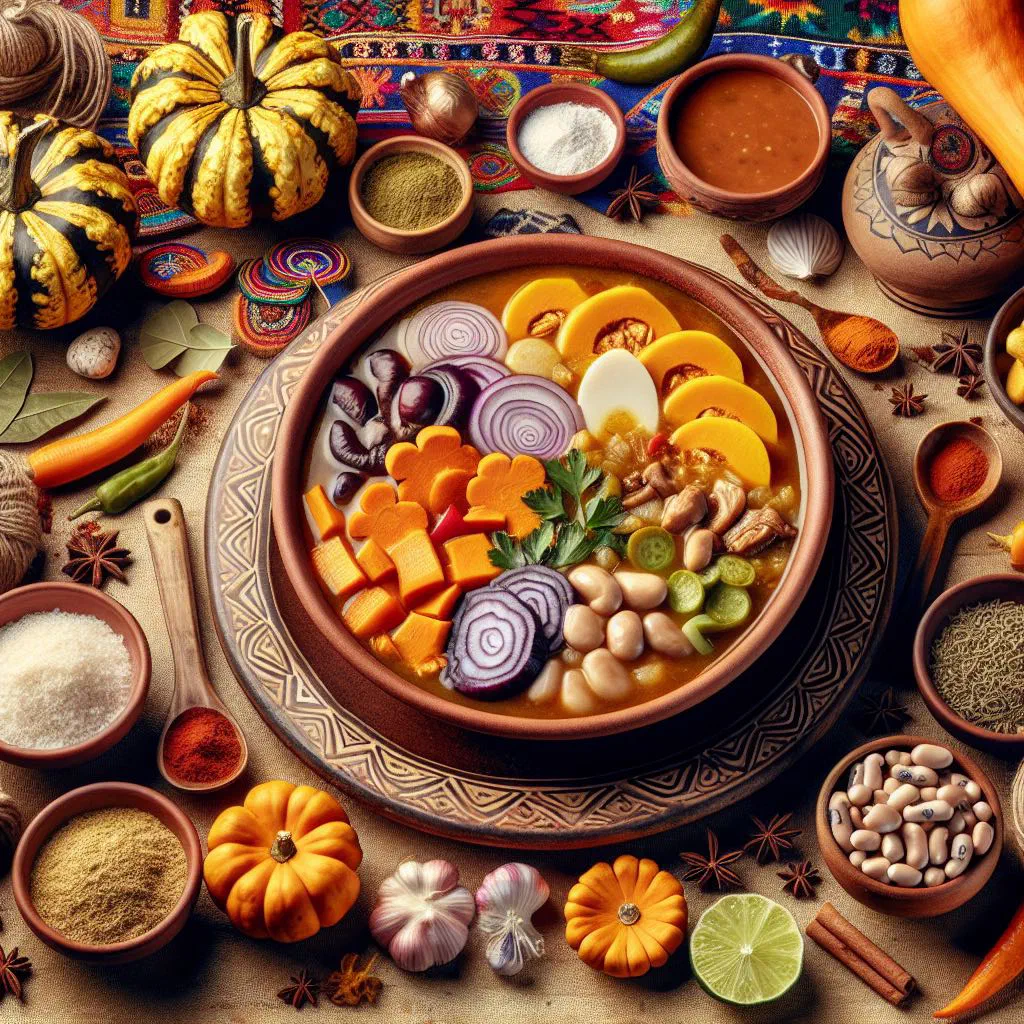
Discover Fanesca, one of Ecuador’s most cherished dishes and a true taste of the country’s rich heritage. This hearty soup brings together an abundance of grains, beans and gentle spices into a bowl that is as nourishing as it is festive. Traditionally prepared during Easter, it carries centuries of tradition in every spoonful. Bring a little of Ecuador’s culinary soul to your own table with this comforting, wholesome classic.
About Fanesca
Fanesca is far more than a simple soup; it is a feast for the senses that mirrors the rich culture of Ecuador. The dish is prepared mainly during the Easter season and carries deep-rooted traditions that reach back to colonial times. The combination of different grains and legumes offers a delicious flavour and a nourishing meal for the whole family. Enjoy fanesca not just as part of a celebration, but as a wonderful way to explore Ecuadorian culture.
Ingredients (serves 1–2)
- 200 g cooked white beans
- 100 g cooked peas
- 100 g cooked corn
- 50 g rice
- 1 onion
- 2 cloves of garlic
- 1 carrot
- 1 litre vegetable stock
- 0.5 teaspoon cumin
- Salt and pepper to taste
- Steamed fish (optional, e.g. tilapia)
- Fresh herbs to garnish (e.g. coriander)
Shopping for the ingredients
When shopping for the ingredients for fanesca, it is worth choosing the freshest, highest-quality produce you can find. It is especially important to pick the legumes and vegetables carefully, as they shape the aroma of the soup so decisively. If you can, visit a local market to buy fresh ingredients directly from the growers. This supports the local economy and gives your dish an incomparable flavour.
Preparing the dish
Before you begin cooking, make sure all your ingredients are ready to hand. The beans and peas should be cooked in advance to cut down on the overall cooking time. Chop the vegetables small and prepare the spices so the cooking process runs smoothly. A well-organised preparation is the key to a successful dish.
Step-by-step instructions
- Heat a little oil in a large pot and sweat the onion and garlic until translucent.
- Add the diced carrot and fry it briefly alongside.
- Now add the cooked beans, peas, rice and corn to the pot.
- Pour in the vegetable stock and let everything simmer for 20–30 minutes.
- Season with cumin, salt and pepper, and let the soup rest over low heat for a few more minutes.
- Serve the fanesca hot, garnished with steamed fish and fresh herbs.
Gluten-free / lactose-free version
Fanesca is naturally gluten-free and lactose-free. Take care to use a gluten-free stock so the dish can be enjoyed by anyone with coeliac disease. In addition, plant-based alternatives for cream or milk can be worked into the recipe without any trouble. This makes the dish versatile and easy to adapt for different dietary needs.
Tips for vegans and vegetarians
Vegans and vegetarians can enjoy fanesca every bit as much, without compromising on flavour or nourishment. Instead of the steamed fish, a hearty mix of grilled vegetables or tofu makes an excellent source of protein. For an extra layer of aroma, scatter over some roasted nuts or seeds as a topping. Experiment with different vegetables to create your very own vegan version of this Ecuadorian favourite, much like a warming Sopa De Quinoa.
More tips and tricks
To intensify the aroma of fanesca, toast the spices briefly in a dry pan before adding them to the soup. This lets the flavours bloom and gives the dish a whole new dimension. Soaking the beans overnight also helps them cook more evenly. Be sure to taste as you go so you can strike the perfect balance of seasoning.
Adapting the recipe to your taste
Fanesca is wonderfully versatile and easy to tailor to your own preferences. If you like a milder result, simply reduce the amount of spice. For those who love bold, fiery flavours, add chilli or extra pepper. You can also vary the legumes to suit your taste, quinoa or lentils make superb alternatives, just as they do in a hearty Menestra De Frijoles. Every batch becomes unique and true to your own liking.
Ingredient substitutions
If certain ingredients for fanesca are missing, there are plenty of alternatives you can turn to. In place of rice, quinoa makes the dish even more nourishing. A mushroom stock works well for the base too, lending the soup an earthy note. Be creative and experiment with different vegetables to discover new flavour combinations, in the same spirit as a comforting Locro De Papa.
Drink pairing ideas
To go alongside fanesca, choose a homemade drink to round out the flavours. A refreshing citrus drink or a traditional, cold-served Ecuadorian coffee harmonise beautifully with the soup. Even a simple fruit-infused water can support the aromas of the dish without overpowering them. Let the variety inspire you and pick the drink that suits you best.
Serving and presentation ideas
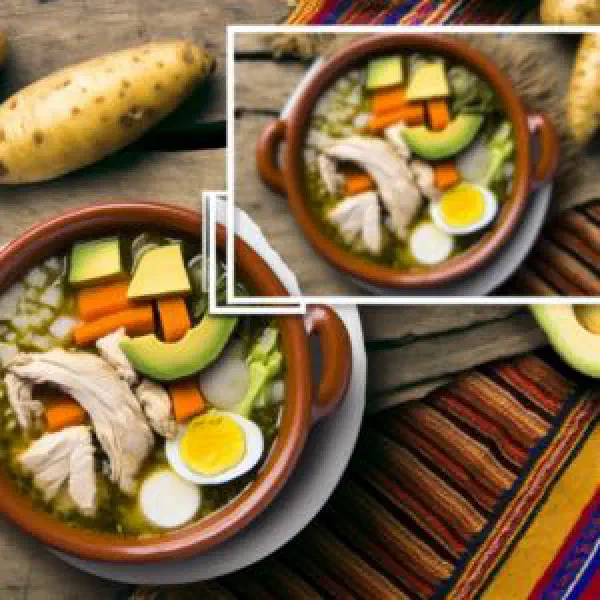
Presentation is an important part of enjoying a meal. Serve your fanesca in a beautiful bowl and garnish it with fresh herbs and a squeeze of lemon. Finely chopped avocado or roasted nuts also make excellent toppings that look as good as they taste. A thoughtfully laid table completes the whole culinary experience.
A bit of history
The history of fanesca reaches back to the time of the Incas, when the dish was prepared during the Easter festival to honour the connection to creation. The wealth of ingredients is a symbol of the diversity of Ecuador and the country’s many different regions. Today, fanesca is not merely a dish but a part of cultural feasts and traditions passed down from generation to generation. This heritage makes fanesca a true delicacy, one that satisfies and tells a story of Ecuadorian cuisine.
More recipe ideas
Summary: Fanesca
Fanesca is a hearty, nourishing dish that unites the history and tradition of Ecuador in every bite. Its preparation is simple, yet the flavours are complex and captivating. Whether during the Easter season or as a festive meal any time of year, fanesca appeals to with its variety and taste. Let the rich diversity of Ecuadorian cooking inspire you, and try making this delicious dish for yourself.