National Dish Egypt: Aseedah (Recipe)
In this article
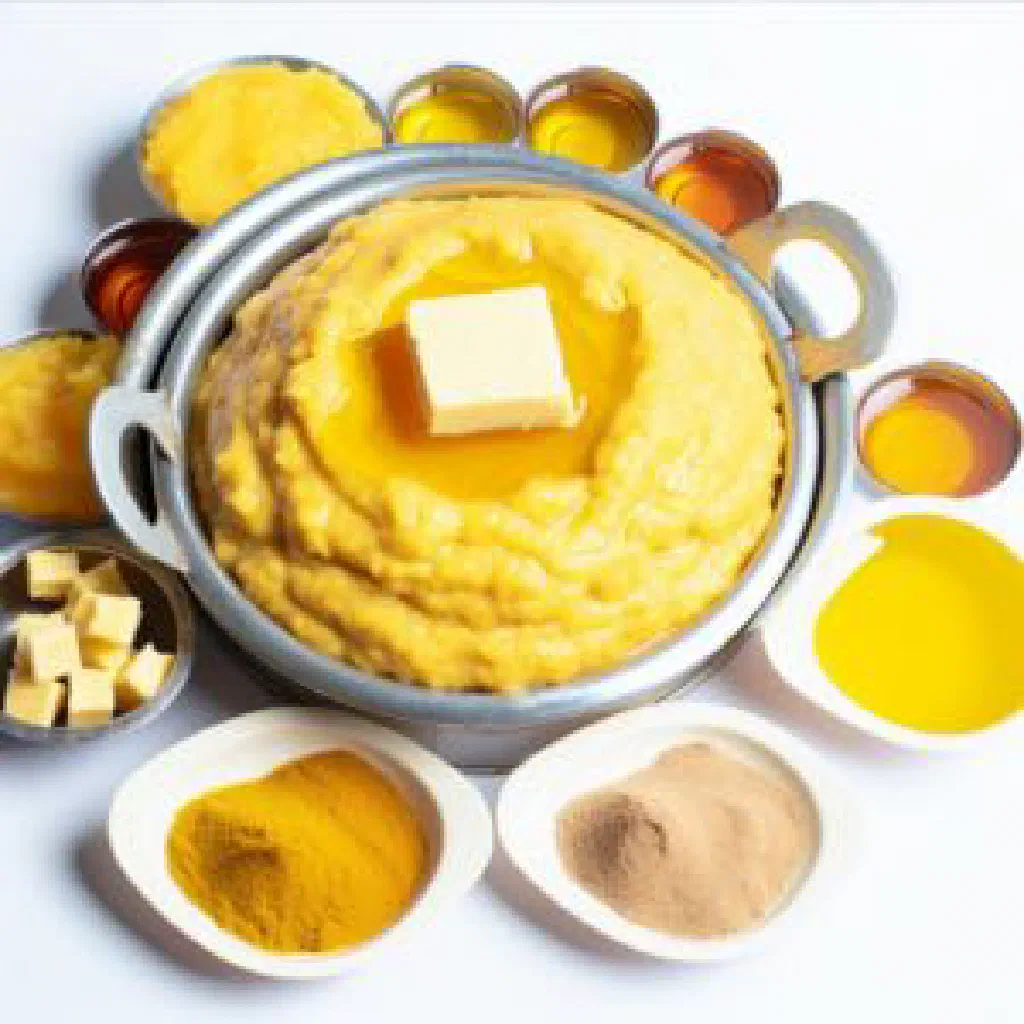
Meet Aseedah, a comforting Egyptian classic that has graced family tables for generations. Made from fine wheat semolina cooked down into a smooth, creamy porridge, it is gently warmed with fragrant spices that give the dish its signature character. Simple to prepare yet endlessly welcoming, aseedah is just as at home at a festive gathering as it is on an ordinary weeknight. It is a true taste of Egyptian hospitality, served warm and finished to your liking.
About Aseedah
Aseedah is a traditional Egyptian dish regarded in many households as a symbol of comfort and hospitality. It is made chiefly from fine wheat semolina and lifted with aromatic spices that give it its distinctive flavour. The preparation is relatively straightforward, which makes it an ideal choice for special occasions as well as for everyday enjoyment. Aseedah is often served with a variety of accompaniments that enrich the flavours further and turn the dish into a real festive treat.
Ingredients (serves 1–2)
- 200 g fine wheat semolina
- 600 ml water
- 1 tsp salt
- 1 tsp sugar
- 2 tbsp butter or oil
- 1 tsp cinnamon (optional)
- Further spices to taste
Shopping for the ingredients
When buying the ingredients for aseedah, it is worth looking out for good-quality wheat semolina. It should be finely milled to guarantee the perfect consistency. Large supermarkets or specialist Egyptian grocers also carry a wide selection of spices with which you can season the dish to perfection. Be sure to choose fresh ingredients to achieve the best possible flavour, much as you would for a hearty bowl of Koshari.
Preparing the dish
Preparing aseedah could hardly be simpler. First, gather all of your ingredients and have the necessary utensils, a saucepan and a spoon, ready to hand. As aseedah is often made in larger quantities, you can scale the ingredients up or down to suit your needs. The freshness of the ingredients is key to guaranteeing an authentic taste experience.
Step-by-step instructions
- Bring the water to the boil in a large pan and add the salt and sugar.
- Reduce the heat and slowly add the wheat semolina, stirring constantly.
- Cook the mixture over low heat, stirring all the while, until it turns thick and creamy.
- Stir in the butter or oil and mix well so that everything is evenly combined.
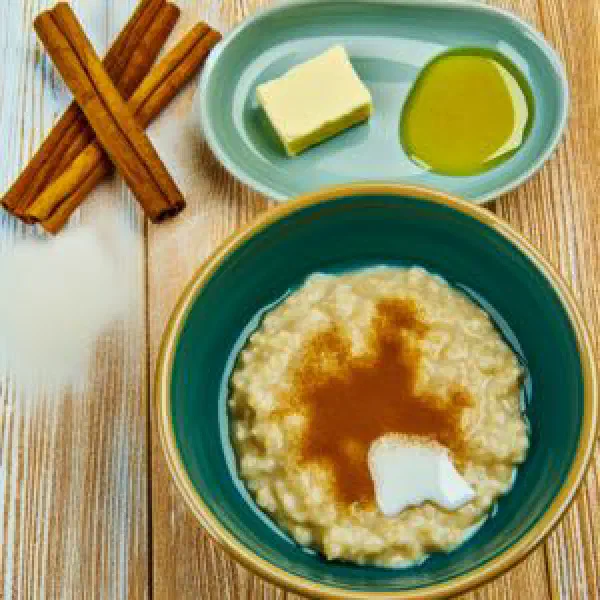
- Serve the aseedah warm and garnish to taste with cinnamon or other spices.
Gluten-free / lactose-free version
If you would like to make a gluten-free version of aseedah, you can use a blend of gluten-free flour or a pseudo-grain such as buckwheat in place of the wheat semolina. For a lactose-free preparation, simply replace the butter with a plant-based fat such as olive oil or coconut oil. That way you stay flexible and can tailor the aseedah to your individual needs.
Tips for vegans and vegetarians
Aseedah is naturally vegetarian, and with a few simple swaps it can easily be made vegan. Be sure to reach for a plant-based option when choosing your butter. You might also use vegetable stock in place of water to give the dish more depth and flavour. Fresh herbs such as coriander or parsley can be stirred in for a lively note, much as they enliven a fragrant bowl of Mulukhiyah.
More tips and tricks
One important tip when preparing aseedah is to stir continuously, which prevents lumps from forming and helps you achieve an even consistency. If you fancy being a little more adventurous, fold in some ground nuts or dried fruit to create a sweeter variation. Aseedah can also be portioned out and served cold for a refreshing alternative. When it comes to presentation, garnish generously with cinnamon or nuts to make the dish all the more appealing to the eye.
Adapting the recipe to your taste
One of the finest qualities of aseedah is its versatility, which lets you adapt the recipe to your personal preferences. Feel free to experiment with different spices, such as nutmeg or cardamom, to intensify the flavour. You can also vary the sweetness, either by adding more sugar or by using natural sweeteners such as honey or agave syrup. These options make aseedah a dish suited to every palate.
Ingredient substitutions
If you do not have wheat semolina to hand, cornmeal or rice flour can make an interesting base for aseedah. These alternatives change the texture a little but deliver an unusual taste experience. Using plant-based cream instead of butter can also bring variety to the dish, the same spirit of improvisation that makes Foul Medames so adaptable. Experiment to discover which combinations you like best.
Drink pairing ideas
A range of drinks pairs beautifully with a delicious bowl of aseedah. A refreshing Mint Tea or a strong Arabic coffee complements the flavours wonderfully. For those who prefer something sweeter, fresh juices such as pomegranate or lemon are ideal. Surprise your guests with a thoughtful spread of food and drink for a harmonious overall experience.
Serving and presentation ideas
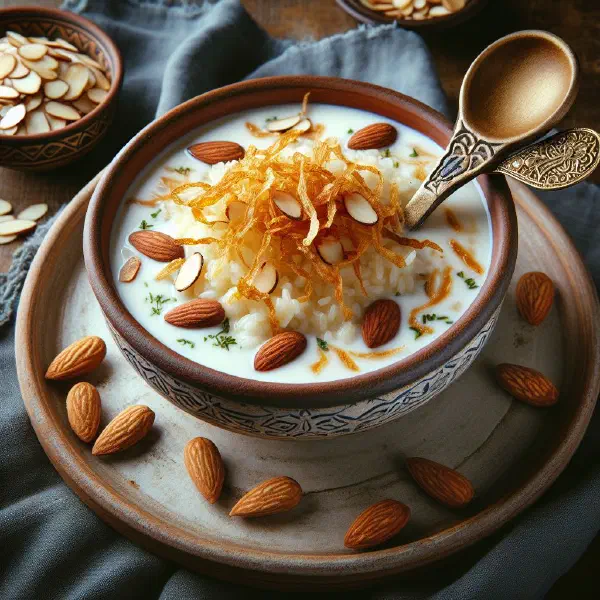
The presentation of aseedah can be greatly enhanced with a few creative touches. Serve the dish in an attractive bowl and garnish it with chopped nuts, raisins or fresh herbs for an extra splash of colour. A dusting of cinnamon or icing sugar can also lift it visually. Set an inviting table with appealing crockery to make enjoying aseedah a truly memorable occasion, especially as part of a wider spread of Egyptian cuisine.
A bit of history
Aseedah has a long history in Egyptian cuisine and was already being prepared in ancient times. It is considered a sign of hospitality and is often an indispensable part of feasts and celebrations. The preparation of aseedah has been passed down from generation to generation, representing the culinary traditions of Egypt. This dish reflects the simplicity and richness of Egyptian food culture and is a sign of local gastronomy.
More recipe ideas
Summary: Aseedah
Aseedah is more than just a dish; it is a tradition that embodies the warmth of Egyptian cooking. With simple ingredients and an uncomplicated method, you can bring a real piece of Egyptian heritage to the table. Give this wonderful recipe a try and enjoy the many possibilities it has to offer.