National Dish Egypt: Bamia (Recipe)
In this article
Discover Bamia, the comforting okra stew that sits at the heart of the Egyptian table. Tender pods of okra slow-cooked in a rich, spiced tomato sauce make this a true celebration of flavour. Bamia is the kind of warm, sociable dish that begs to be shared with family and friends. Bring the aromas of Egypt straight to your own kitchen.
About Bamia
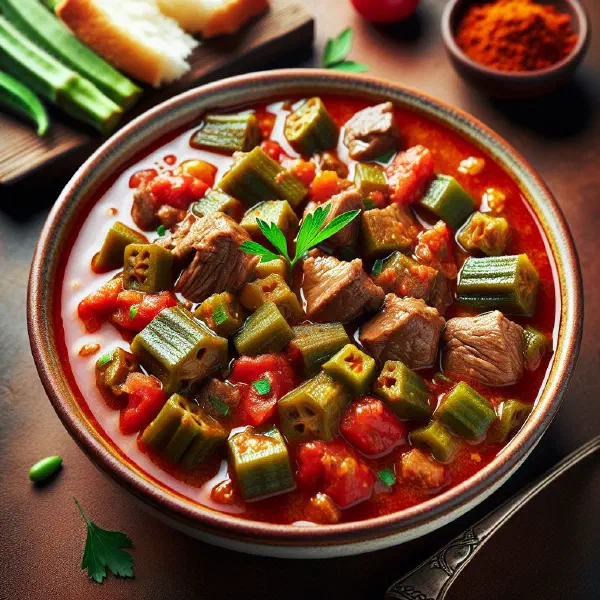
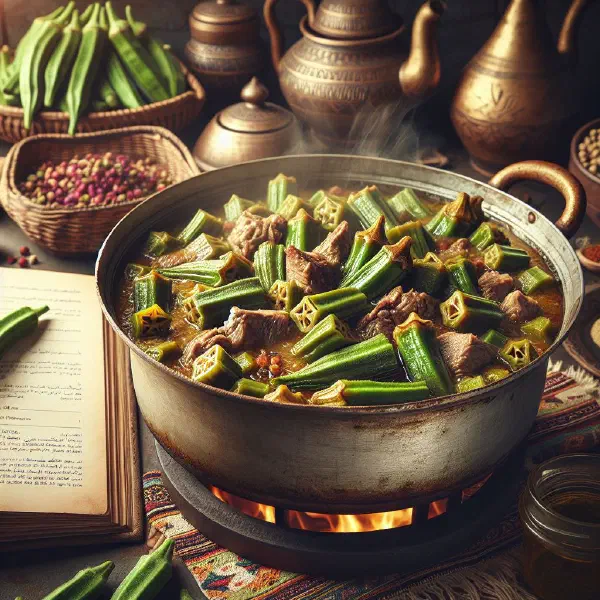
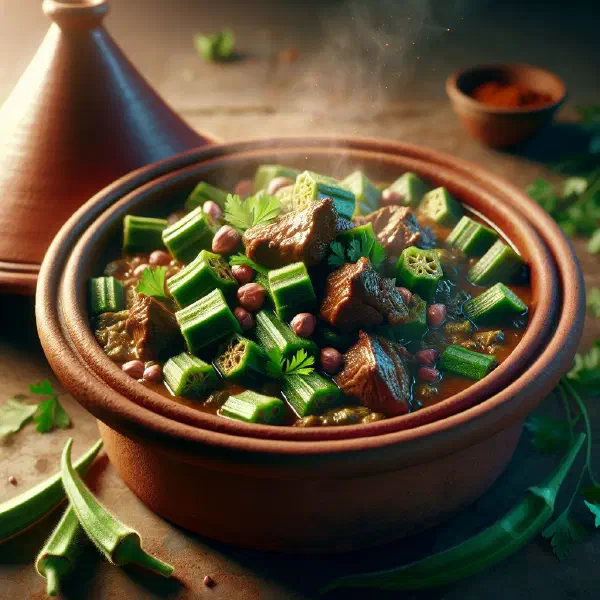
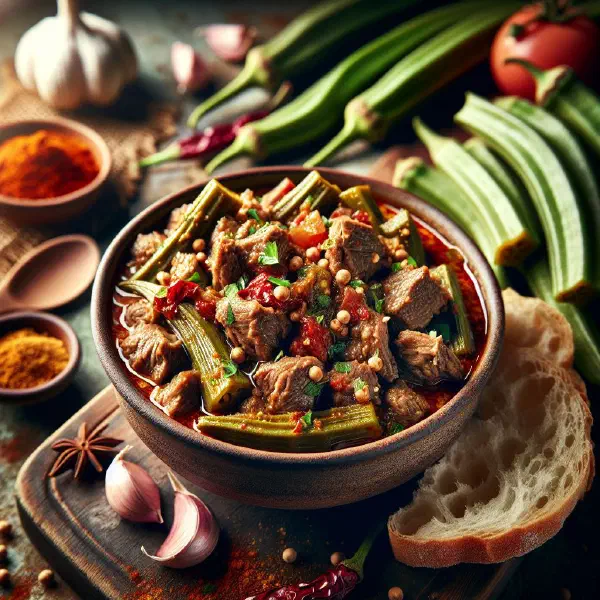
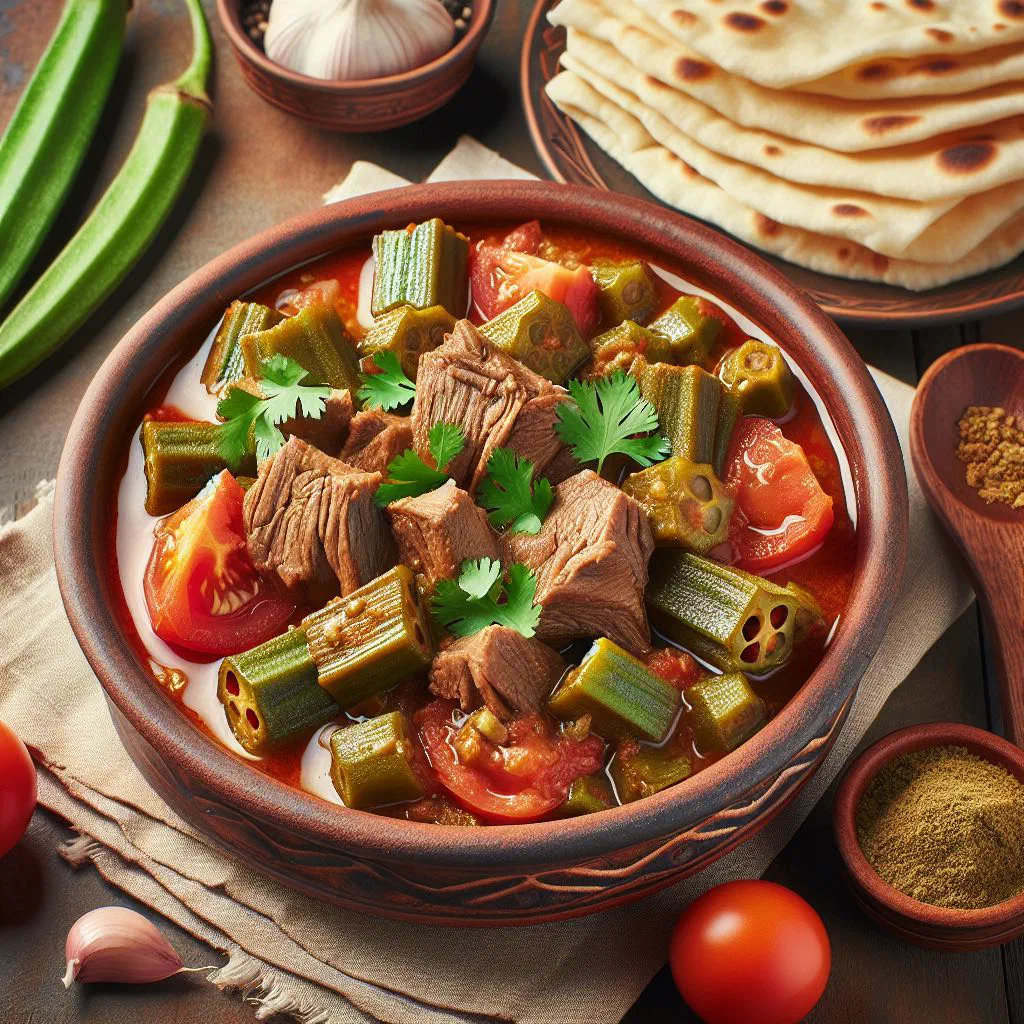
Bamia, also known as okra stew, is a traditional Egyptian dish that delivers a real explosion of flavour. The star ingredient, okra, turns soft and aromatic as it cooks, becoming a genuine delicacy. It is often prepared with beef or lamb, though vegetarian versions are every bit as popular. The interplay of warming spices makes Bamia both a wonderfully varied dish and a sociable one, gladly shared around the table with family and friends.
Ingredients (serves 1–2)
- 200 g fresh or frozen okra
- 300 g beef or lamb, cut into cubes
- 1 large onion, finely chopped
- 2 cloves garlic, crushed
- 400 g tin of chopped tomatoes
- 2 tablespoons olive oil
- 1 teaspoon cumin
- 1 teaspoon paprika
- Salt and pepper to taste
- Fresh coriander, to garnish
Shopping for the ingredients
The key ingredients for Bamia are easy to find in most supermarkets or at a local farmers’ market. When buying okra, look for firm, fresh pods, as these offer the best flavour. If fresh okra is unavailable, frozen okra is often just as good and works perfectly well. For the meat, it is worth choosing good quality cuts to enrich the dish and bring real depth to the finished stew.
Preparing the dish
Preparing Bamia is refreshingly straightforward and takes only a few simple steps. Begin by cutting the meat into even cubes so it cooks through uniformly. Chop the onion finely so it develops a gentle sweetness when fried. The okra can be left whole or, if you prefer, sliced into smaller pieces. Careful preparation lays the groundwork for a harmonious, well-balanced result.
Step-by-step instructions
- Heat the olive oil in a large pan and fry the onion until translucent.
- Add the meat and brown it well on all sides.
- Stir in the garlic and cook briefly until fragrant.
- Add the chopped tomatoes, cumin and paprika, then stir to combine.
- Tip in the okra, mix everything together and season with salt and pepper.
- Let the dish simmer over low heat for about 30 minutes, until the meat is tender.
- Garnish with freshly chopped coriander just before serving.
Gluten-free / lactose-free version
Bamia is naturally gluten-free, but it is worth checking that every ingredient, particularly the spices and tinned tomatoes, is also free from gluten. For a lactose-free version no dairy is needed at all, so vegans and anyone who is lactose intolerant can enjoy it without worry. Reaching for fresh ingredients rather than processed foods helps preserve the natural purity of the dish. With these simple tweaks, anyone can savour Bamia with complete confidence.
Tips for vegans and vegetarians
For a vegan version of Bamia, simply swap the meat for a combination of chickpeas and vegetables. Another option is to use tofu or seitan, both of which lend the dish extra substance. Do take care that any stock or spice blends you use are vegan too. That way, plant-based eaters can enjoy this delicious stew just as much as everyone else, much like a hearty bowl of Foul Medames.
More tips and tricks
To make the flavour of Bamia even more intense, try adding warming spices such as cinnamon or cloves. A pinch of sugar can help balance the acidity of the tomatoes and round out the overall taste. It also helps to let the dish rest overnight so the flavours have time to meld together.
Adapting the recipe to your taste
The beauty of Bamia is how easily it can be adapted to personal preference. If you like things spicy, simply add a chopped chilli or use a hot paprika. You can also vary the ratio of okra to meat to make the stew richer or lighter as you wish. This gives you the freedom to shape Bamia exactly to your taste and add your own personal touch.
Ingredient substitutions
If okra is not your favourite, the dish also works beautifully with other vegetables such as aubergine or courgette. For a less meaty version, you might use lentils, which make an excellent source of protein, the same approach that shines in an Eggplant Moussaka. It is important to adjust the cooking time to suit whichever ingredient you choose. This way, the pleasure of Bamia carries over even when you change things up.
Drink pairing ideas
A range of drinks pairs nicely with Bamia and rounds out the eating experience. A refreshing mint drink or a glass of chilled iced tea makes a splendid accompaniment. For wine lovers, a dry white wine is a good choice, as it complements the flavours of the dish. The important thing is that the drinks are not too dominant, so that Bamia remains firmly in the spotlight.
Serving and presentation ideas
A handsome presentation turns any meal into more of an occasion. Serve Bamia in a large bowl and garnish it with fresh coriander or chopped nuts for an extra bit of crunch. Use colourful plates or a decorative serving platter to show the dish off at its best. A creative arrangement makes the meal a feast for the eyes as well as the palate, especially alongside a plate of Koshari.
A bit of history
Bamia is a much-loved dish with its roots in Egyptian cuisine, woven deep into the country’s traditions. It has been prepared for generations and, over the years, has given rise to many variations right across the Arab world. Okra, a highly prized ingredient, was already known in antiquity and valued as healthy and nourishing. The combination of ingredients and spices makes Bamia a symbolic dish that stands for hospitality and togetherness, much like the Egyptian cuisine it belongs to.
More recipe ideas
Summary: Bamia
Bamia is a delicious, aromatic Egyptian dish that has won over the hearts of so many. With its blend of fresh ingredients, fragrant spices and endless room for adaptation, it offers something for every taste. Bamia is always a good choice. Let the variety and history of this dish inspire you, and enjoy it to the full.