National Dish Egypt: Black-Eyed Pea Stew (Recipe)
In this article
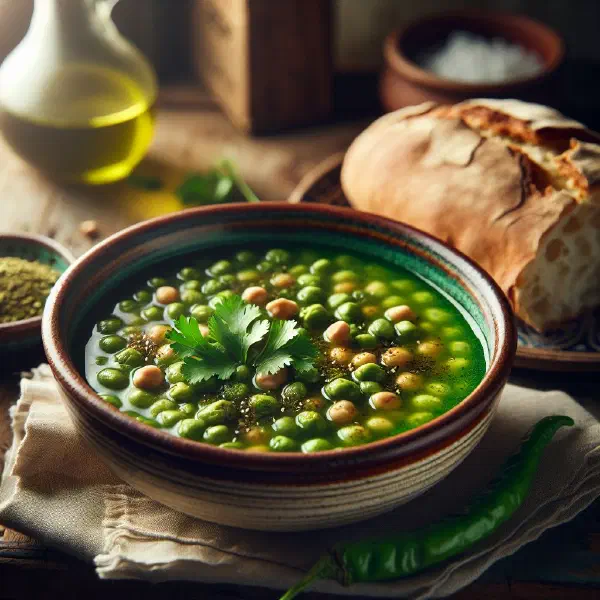
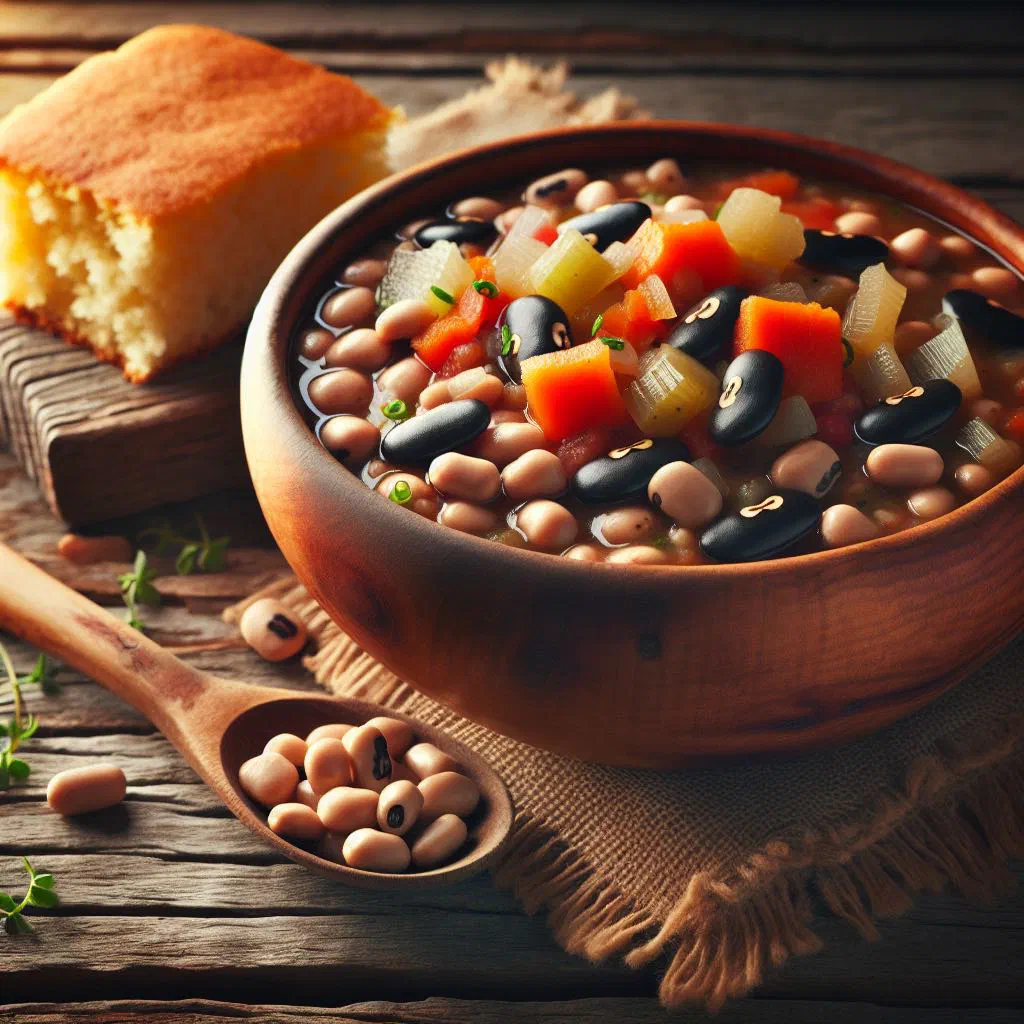
Warm up with Black-Eyed Pea Stew, a wholesome classic of the Egyptian table. This comforting one-pot meal simmers protein-rich black-eyed beans together with vegetables and gently toasted spices until everything turns tender and deeply savoury. It is the kind of nourishing dish that comes into its own on cooler days, yet it asks for little more than a handful of simple, honest ingredients. Bring a taste of Egypt to your own kitchen with this easy, satisfying stew.
About Black-Eyed Pea Stew
Black-Eyed Pea Stew is a traditional Egyptian dish that wins people over with its wonderful flavour and with its nourishing ingredients. The star of the pot is the black-eyed bean, which is rich in protein, fibre and a good range of vitamins. The stew is especially popular during the cooler months, when its warming, hearty texture is most welcome. Built around aromatic spices, it makes the most of simple yet flavourful ingredients and is wonderfully easy to put together.
Ingredients (serves 1–2)
- 250 g black-eyed beans
- 1 large onion
- 2 garlic cloves
- 1 carrot
- 1 pepper
- 2 tablespoons olive oil
- 1 teaspoon cumin
- 1 teaspoon paprika
- 500 ml vegetable stock
- Salt and pepper, to taste
- Fresh herbs, to garnish (such as parsley or coriander)
Shopping for the ingredients
When putting together your Black-Eyed Pea Stew, it is worth choosing the freshest ingredients you can find. The black-eyed beans are usually stocked in Asian or Middle Eastern grocers, often sold simply as “black-eyed beans”. Make sure your vegetable stock or stock cubes are free from flavour enhancers, and where you can, reach for freshly ground spices. They really do bring out the fullest flavour. Many of these store-cupboard staples also feature across Egyptian cuisine, from soups to slow-cooked stews.
Preparing the dish
Before you start cooking your Black-Eyed Pea Stew, soak the black-eyed beans in water overnight. This shortens the cooking time and gives the beans a better texture. It also helps to chop the vegetables, onion, garlic, carrot and pepper, and have them ready to go.
Step-by-step instructions
- Rinse the soaked black-eyed beans well and leave them to drain.
- Heat the olive oil in a large pan and gently fry the diced onion until translucent.
- Add the chopped garlic, the sliced carrot and the diced pepper, and sauté for a few minutes.
- Sprinkle in the spices — cumin and paprika — and toast them briefly so the aromas can develop.
- Add the black-eyed beans and the vegetable stock, then bring everything to the boil.
- Lower the heat and let the stew simmer for about 30–40 minutes, until the beans are soft.
- Season with salt and pepper and garnish with fresh herbs to taste.
Gluten-free / lactose-free version
Black-Eyed Pea Stew is naturally both gluten-free and lactose-free. The ingredients used here can generally be enjoyed without worry by anyone with food intolerances. Just make sure the vegetable stock you use is also gluten-free, and reach for plant-based alternatives where needed. That makes this stew a great choice for everyone keeping an eye on a healthy diet.
Tips for vegans and vegetarians
This stew is perfect for vegans and vegetarians, as it contains no animal products at all. You can vary the vegetables however you like, adding spinach or courgette, for example, to pack in even more nutrients. For an extra protein boost, stir through plant-based protein sources such as tofu or tempeh. Let the variety of ingredients inspire you and tailor the recipe to your own taste.
More tips and tricks
To make your Black-Eyed Pea Stew even tastier, try adding a little hot chilli or a pinch of cinnamon, which lends a particularly fragrant note. Take care not to overcook the beans so they keep their shape. Browning a few leftover vegetables in the pan can also bring extra depth of flavour to the pot. Experiment with different spices and herbs to create your own personal masterpiece.
Adapting the recipe to your taste
If you would like to adapt the Black-Eyed Pea Stew, you can swap in different vegetables or play with the spices. Prefer things spicier? Add chilli or cayenne pepper. A spoonful of curry powder, meanwhile, gives the stew a bold, Indian-inspired twist.
Ingredient substitutions
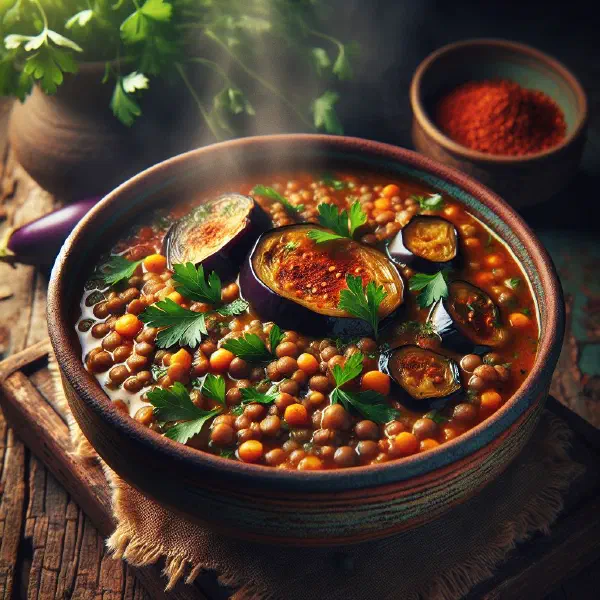
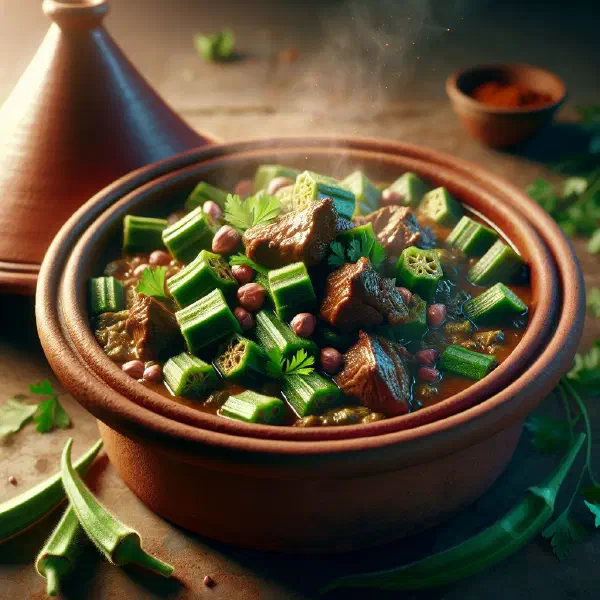
If you do not have black-eyed beans to hand, you can use other pulses such as chickpeas or lentils instead, the same hearty legumes that anchor a comforting Lentil Soup. You have plenty of flexibility with the vegetables too: peas, green beans or even sweet potatoes can give the stew a fresh twist, much like the okra at the heart of an Okra Stew. If you would rather skip the oil for health reasons, you can sauté the onion and vegetables without it. Substitutions like these let you keep up a healthy diet without losing any flavour.
Drink pairing ideas
Plenty of drinks pair beautifully with a flavourful Black-Eyed Pea Stew. A fresh mint tea brings refreshing notes that complement the aromas wonderfully, much like a classic Mint Tea. Alternatively, serve a young wine or a lightly poured beer to underline the stew’s hearty flavour. For an alcohol-free option, sparkling water with lemon makes a refreshing companion that harmonises well with this rich, savoury pot.
Serving and presentation ideas
For presenting your Black-Eyed Pea Stew, a large bowl works best, showing off the colours and textures of the stew to good effect. Garnish with fresh herbs such as parsley or coriander to add visual accents. Serve alongside fresh bread or rice, presented on the table too, soft flatbread like Aish Baladi is ideal for mopping up every last spoonful. Small touches like these can lift the whole dining experience.
A bit of history
Black-Eyed Pea Stew has a long tradition in Egyptian cooking. Historically, black-eyed beans have been a staple in Egypt for centuries, often regarded as a symbol of prosperity and fertility. The dish itself reflects the country’s rich culture and the gastronomic influences that have shaped it, drawing together spices and aromas from many different traditions. As you enjoy each spoonful, you are tasting pieces of Egyptian history right there on your plate.
More recipe ideas
Summary: Black-Eyed Pea Stew
In short, Black-Eyed Pea Stew is a wonderful example of Egyptian home cooking. With its simple ingredients and fuss-free preparation, it suits just about any occasion. This stew brings the flavours of Egypt straight to your table. Give it a try and enjoy the taste and the cultural depth that this dish represents.