National Dish Egypt: Eish Baladi (Recipe)
In this article
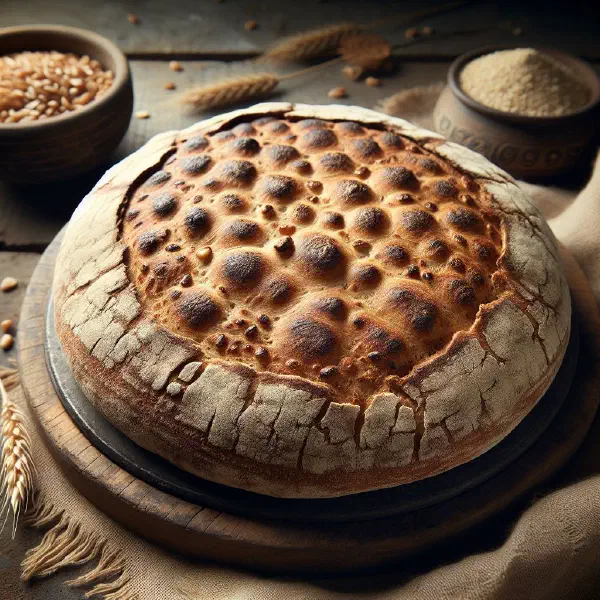
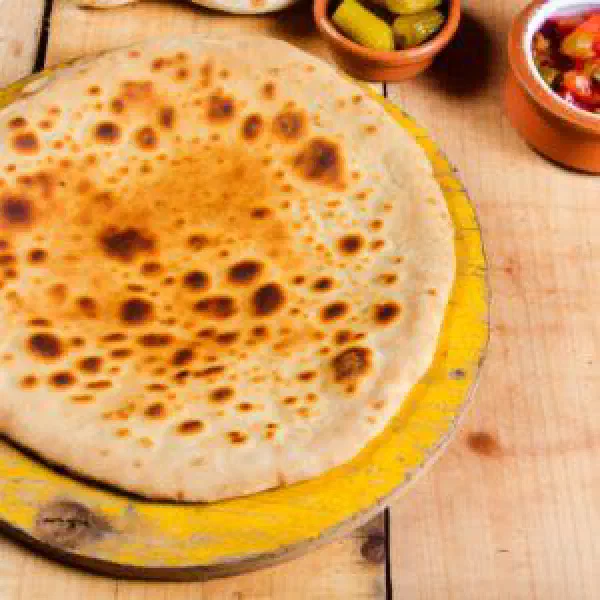
Say hello to Eish Baladi, the humble round flatbread that sits at the very heart of Egyptian life. Made from little more than wholemeal flour, water and a touch of yeast, it puffs up into a soft, airy round with a gently nutty flavour and a satisfying chew. This bread brings a true taste of Egypt to your table. Best of all, it is wonderfully simple to make at home.
About Eish Baladi
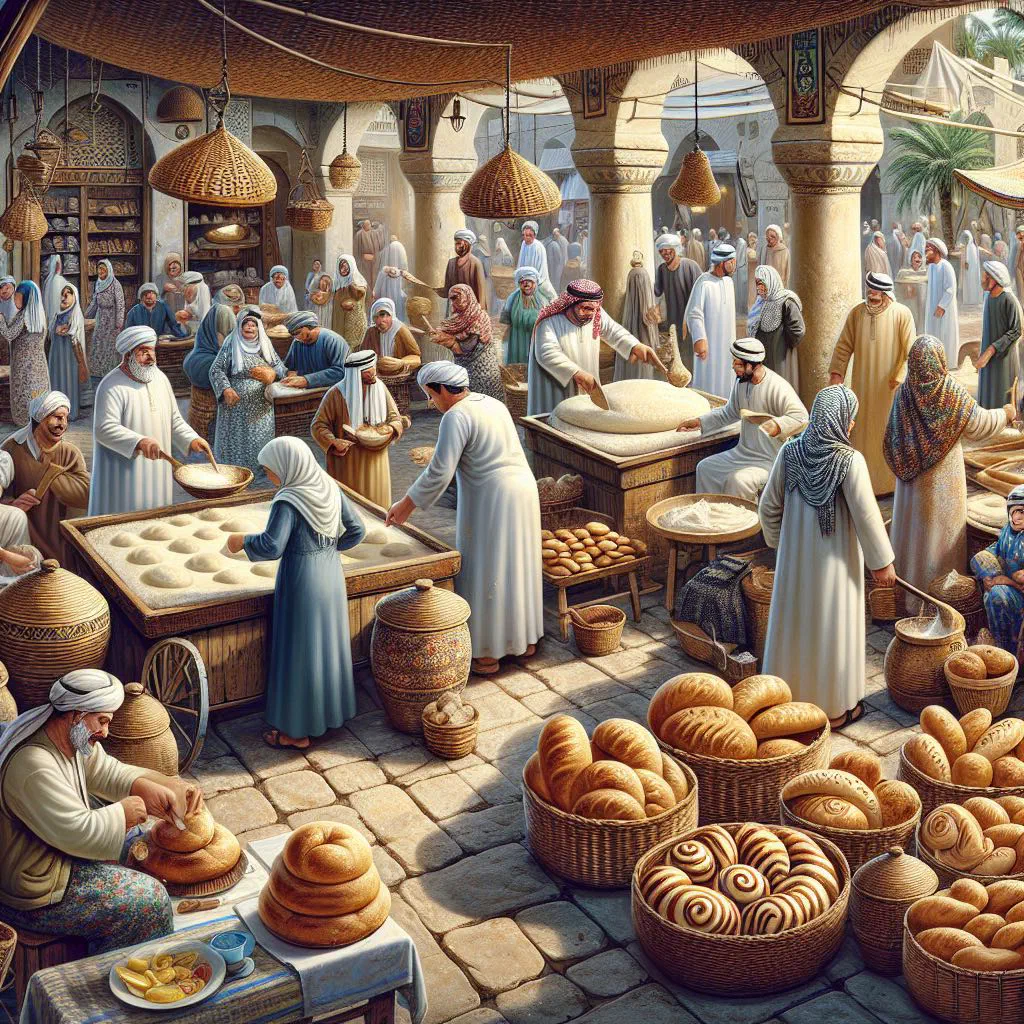
Eish Baladi is far more than a simple loaf. It is a culinary symbol of Egypt. This traditional flatbread is made from wholemeal flour and water, and a special fermentation gives it both its distinctive flavour and its characteristic texture. It is served with all manner of dishes, from savoury to sweet, and is an integral part of Egyptian eating culture. You will often find it on the table at celebrations and family gatherings alike, where it plays the role of the dependable, much-loved staple.
Ingredients (serves 1–2)
- 250 g wholemeal flour
- 150 ml water
- 1 tsp salt
- 1 tsp dried yeast
- 1 tsp sugar
Shopping for the ingredients
When shopping for eish baladi, it is worth seeking out good wholemeal flour, as this gives the bread its characteristic flavour and nutritional value. Dried yeast and sugar are equally essential for getting the fermentation under way. If you visit an Asian or Middle Eastern grocery, you may also come across special flour varieties that can help you get an even better result.
Preparing the dish
Preparing eish baladi takes a little time but is fairly straightforward. Begin by mixing the water with the dried yeast and the sugar to dissolve them, then leave the mixture to stand for a few minutes until it begins to foam, a sign that the yeast is active. While you wait, tip the wholemeal flour and the salt into a large bowl so everything is ready to combine.
Step-by-step instructions
- Combine the flour and salt in a bowl.
- Add the foaming yeast-and-water mixture.
- Knead the dough until smooth and elastic (about 10 minutes).
- Cover the dough and leave it to rise in a warm place for around 1 hour, until doubled in size.
- Divide the dough into small portions and roll each one out.
- Heat a dry pan with no oil and bake the bread on both sides until lightly browned.
Gluten-free / lactose-free version
For a gluten-free version of eish baladi, you can use a gluten-free flour such as rice flour or a ready-made gluten-free blend. Bear in mind that you may need to adjust the amount of liquid, as gluten-free flours often soak up more. The method stays the same, though the texture will be a little different. Lactose is not an issue here. This bread is naturally lactose-free, since it contains no dairy at all.
Tips for vegans and vegetarians
Eish baladi is naturally vegan, as it contains no animal products whatsoever, making it a brilliant choice for a plant-based diet. You can take it further by serving the bread with a variety of vegan spreads or fillings to create a complete meal. Try experimenting with different herbs and spices in the dough itself to build in a range of flavours and keep things interesting.
More tips and tricks
For an especially airy result, give the dough a longer rise. If you have the time, let it rest overnight in the fridge. This improves both the texture and the flavour of the bread enormously. You can also play with the thickness of your rounds: thinner ones stay soft and pliable for longer, while thicker ones offer more of a satisfying, chewy texture.
Adapting the recipe to your taste
Make the most of the chance to tailor this recipe to your own preferences. You might blend different flours together, for example, to create new flavours. Wholegrain notes or spices such as cumin add an extra dimension, much as they do in a Dukkah blend. Give your eish baladi a special touch by working a little cheese or some fresh herbs into the dough.
Ingredient substitutions
If you do not have wholemeal flour to hand, plain white flour or a mix of different flours will still produce a good loaf. Rye flour also works nicely and lends the bread a pleasant, nutty character. In place of the sugar you can use honey or agave syrup for a slightly sweeter note. Just keep in mind that each of these swaps will have an effect on the final flavour and texture.
Drink pairing ideas
Eish baladi pairs beautifully with a wide range of drinks. A classic Egyptian black tea is a perfect match and harmonises wonderfully with the savoury bread, while a herbal tea or a fresh juice makes an equally good companion. For a truly authentic experience, serve it alongside a tangy Egyptian Lemon Mint Juice, which adds a refreshing lift to every bite.
Serving and presentation ideas
You can improve your eish baladi with colourful crockery and a scattering of fresh herbs. Serve the bread on a rustic wooden board alongside dips such as Hummus or Baba Ghanoush. A side of freshly cut vegetables or a bowl of olives also makes an appetising impression. Arrange everything attractively to present your guests with a genuine feast.
A bit of history
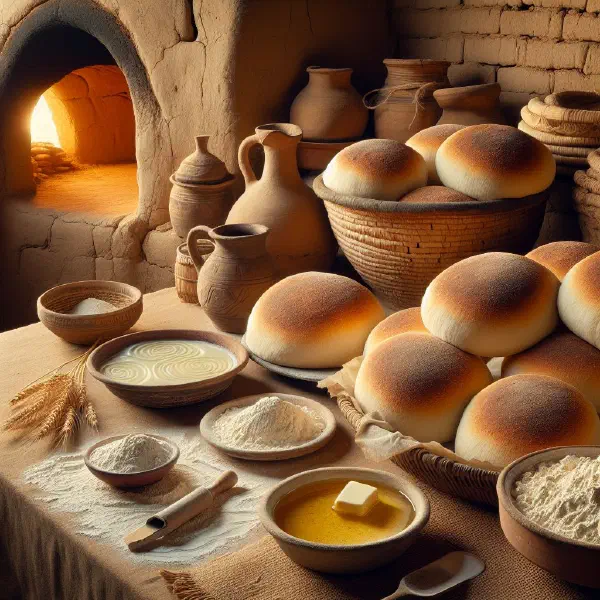
Eish baladi has a long history reaching back to antiquity. It was a staple for country folk and city dwellers alike and has changed remarkably little over the centuries. In the past it was largely baked by hand, which speaks to the enduring fascination and traditional value of the recipe. Today it is often prepared in wood-fired ovens, which give the bread its unique flavour and have only added to its popularity within Egyptian cuisine.
More recipe ideas
Summary: Eish Baladi
Eish baladi is a simple yet incredibly tasty Egyptian bread that is easy to make and the perfect accompaniment to countless dishes. It stands out for its nutty flavour and airy texture, qualities that have made it a favourite in homes across the country. Thanks to its versatility, you can shape eish baladi to suit your own tastes and serve it at your next meal. Enjoy this delicious, traditional bread and bring the flavours of Egypt straight into your own kitchen.