National Dish Egypt: Eish Merahrah (Recipe)
In this article
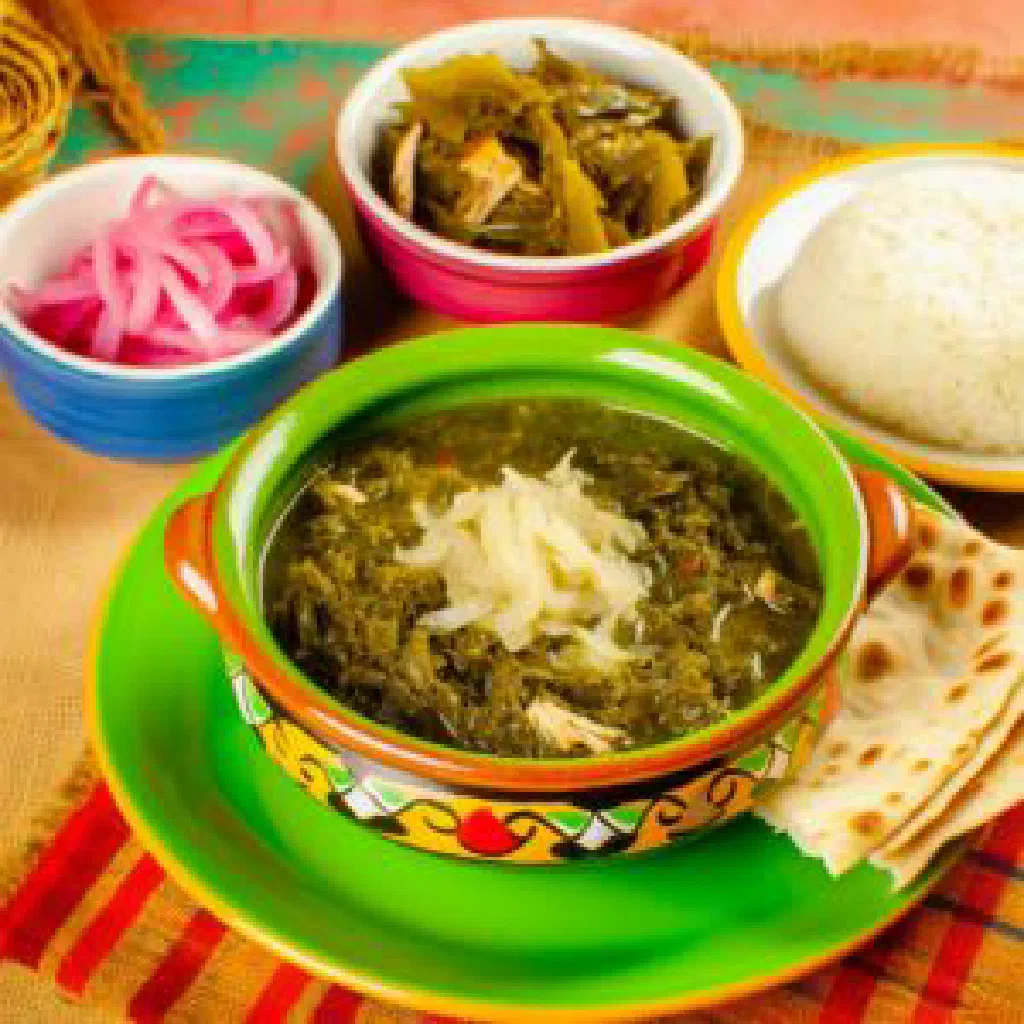
Meet Eish Merahrah, a warming Egyptian classic that brings the colour and generosity of the country’s cooking straight to your table. Fragrant rice mingles with tender meat, sweet vegetables and a gentle blend of spices, creating a dish that feels both homely and a little bit special. It is the kind of meal that suits a relaxed family supper just as well as a festive gathering, and it offers a wonderful introduction to the flavours of the Nile.
About Eish Merahrah
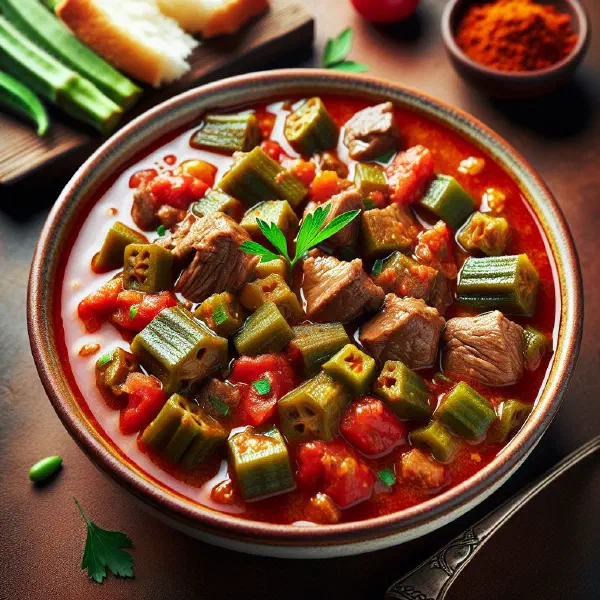
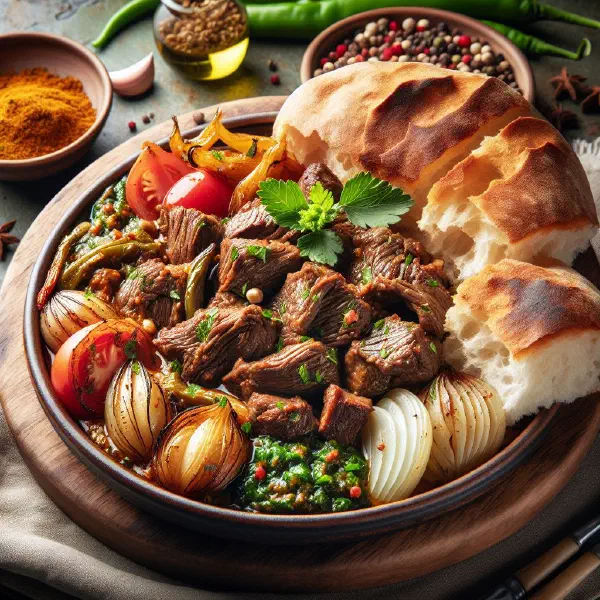
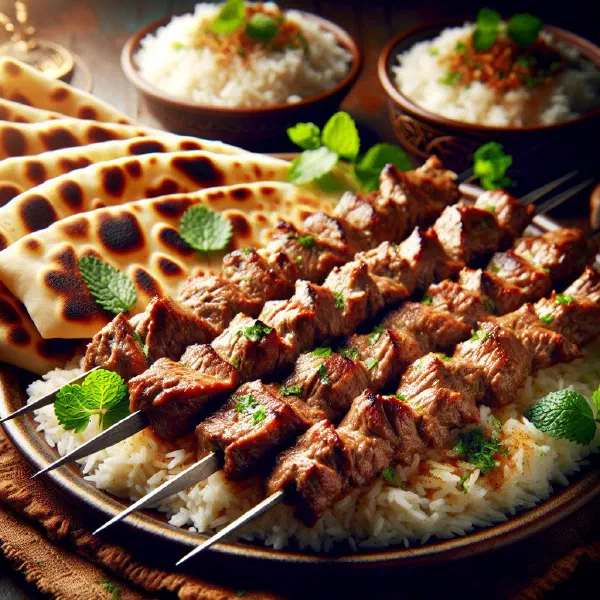
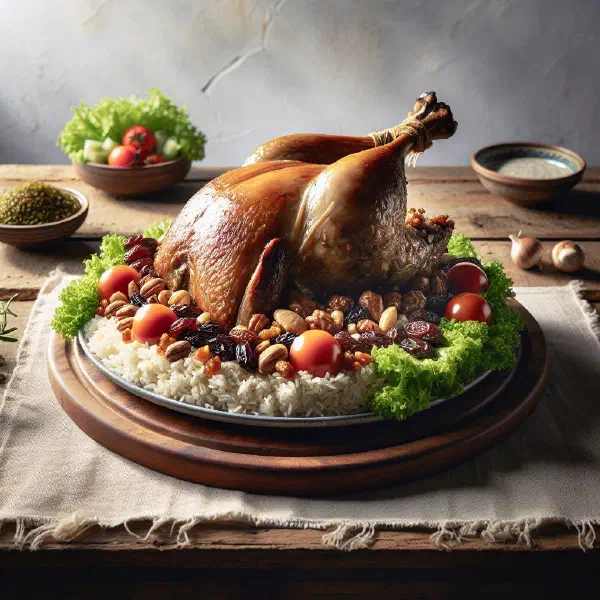
Eish Merahrah is a much-loved traditional dish from Egypt that has won over countless cooks and diners alike. It brings together rice with a generous array of spices, tender meat and a colourful mix of vegetables, putting the variety of Egyptian cooking on full display. The dish reflects Egypt’s rich culture and makes a fine example of how aromas and textures can sit in perfect harmony. If you are after a flavour experience that feels genuinely distinctive, Eish Merahrah is just the thing.
Ingredients (serves 1–2)
- 200 g rice
- 300 g meat (lamb or chicken)
- 1 onion, diced
- 2 tomatoes, diced
- 1 large carrot, grated
- 2 cloves garlic, chopped
- 1 tsp cumin
- 1 tsp turmeric
- 1 tsp paprika
- Salt and pepper to taste
- 2 tbsp olive oil
- Water (as needed)
Shopping for the ingredients
To make Eish Merahrah, it pays to track down the right ingredients. Visit your local supermarket or an Arabic grocery to choose fresh spices and good-quality cuts of meat. For the best results, pick a rice that is parboiled or long-grain, as it soaks up the flavours beautifully. Wherever you can, buy fresh vegetables to bring out the taste and hold on to the nutrients.
Preparing the dish
Preparation is an important step when making Eish Merahrah. Begin by getting all the ingredients ready: dice the onions, chop the tomatoes and carrots, and cut the meat into bite-sized pieces. It is also worth measuring and weighing out the spices in advance to make the cooking go more smoothly. Good groundwork keeps everything running without a hitch and lets you savour the full aroma of the finished dish.
Step-by-step instructions
- Heat the olive oil in a large pan and add the diced onions. Fry them until golden brown.
- Add the diced meat and brown it well on all sides.
- Stir in the chopped garlic, cumin, turmeric and paprika, mixing thoroughly so the spices are evenly distributed.
- Add the diced tomatoes and the grated carrot and let them cook for a few minutes.
- Pour in enough water to cover the ingredients and bring everything to the boil.
- Add the rice, lower the heat and let it simmer for around 20–25 minutes, until the rice is tender and the liquid has been absorbed.
- Season with salt and pepper, then let the dish rest for a few minutes before serving.
Gluten-free / lactose-free version
Eish Merahrah is easy to prepare without any gluten-containing ingredients, since its main components are rice and fresh vegetables, both of which are naturally gluten-free. Just take care that the spices and any other ingredients you use do not contain hidden gluten. The dish is also naturally lactose-free, which makes it ideal for anyone with a lactose intolerance. That way even people with particular dietary needs can enjoy this delicious meal.
Tips for vegans and vegetarians
It is simple to adapt Eish Merahrah for vegans and vegetarians. In place of meat you can use plant-based proteins such as tofu, seitan or even chickpeas. The method stays exactly the same. You simply swap the animal products for your preferred plant-based alternatives. You can also vary the vegetables and add more types for even greater depth of flavour. The dish remains tasty and nourishing and wholesome for everyone, much like a hearty bowl of Koshari.
More tips and tricks
A perfectly cooked Eish Merahrah often comes down to a few small tricks. Use stock instead of water, for example, to give the dish extra flavour. Browning the rice before you add any liquid can also help you achieve a wonderful texture. It is worth letting the dish rest for a few minutes after cooking so the flavours can settle and become even richer. Play around with the spices until you hit on the perfect blend for your own palate.
Adapting the recipe to your taste
Eish Merahrah is wonderfully versatile and easy to tailor to personal preference. If you prefer a lighter flavour, you can cut back on the spices or use milder varieties. The choice of vegetables can also follow your taste: add peppers, courgette or even broccoli, for instance, to shape the dish exactly as you like it. For a sharper kick you can throw in some chilli, so there really is something for everyone.
Ingredient substitutions
If certain ingredients are not available, there are some excellent alternatives. Instead of lamb or chicken you might use beef or even seafood, much as you would in a Sayadeya. For a vegan version, wholegrain rice or quinoa also work well and add extra fibre. You can get creative with the spices too: garam masala or thyme could bring an interesting twist. Feel free to experiment with the ingredients and discover new flavour combinations.
Drink pairing ideas
Eish Merahrah goes nicely with a range of drinks. A classic Egyptian hibiscus tea is a refreshing choice that pairs well with this dish, much like a chilled glass of Karkadeh. A fine red wine can also support the flavours of the food beautifully. For alcohol-free options, fresh mint tea or yoghurt smoothies make a wonderful accompaniment. Aim to choose a drink that underlines and complements the flavours of the dish.
Serving and presentation ideas
When it comes to serving Eish Merahrah, you can let your creativity run free. Present the dish on attractive plates and garnish it with fresh herbs such as mint or parsley for a colourful contrast. Walnuts or toasted almonds also work well, adding both flavour and texture. A small side salad of fresh vegetables can lift the whole dish visually and offer the diner an extra hit of freshness. Remember that we eat with our eyes too, good presentation makes the meal all the more exciting.
A bit of history
Eish Merahrah has a long and fascinating history in Egypt. It is a dish that has been handed down from generation to generation and is a feast in many households. It is often served at special occasions or celebrations, which underlines its importance within Egyptian culture. The combination of regional ingredients and traditional cooking methods makes it a genuine flavour experience and a symbol of Egyptian hospitality, qualities it shares with much of Egyptian cuisine. When you make Eish Merahrah, you join a culinary tradition that has enriched many others before you.
More recipe ideas
Summary: Eish Merahrah
Eish Merahrah is more than just a dish; it is a piece of Egyptian history and culture. With its combination of fragrant spices, tender meat and wholesome vegetables, it makes an excellent choice for family meals and celebrations alike. The preparation is straightforward and genuinely enjoyable, and the result is a dish that appeals to all the senses. Give Eish Merahrah a try for yourself and bring a little piece of Egypt into your own kitchen.