National Dish Egypt: Feseekh (Recipe)
In this article
Meet Feseekh, one of Egypt’s most storied dishes and a fixture of the spring festival Sham el-Nessim. Made from salted, fermented fish and brightened with sharp onions, fresh herbs and a squeeze of lemon, it is a dish that carries thousands of years of history on the plate. Bold, pungent and unmistakably Egyptian, Feseekh is far more than a meal. It is a celebration of tradition. Here is how to bring this ancient delicacy to your own table.
About Feseekh
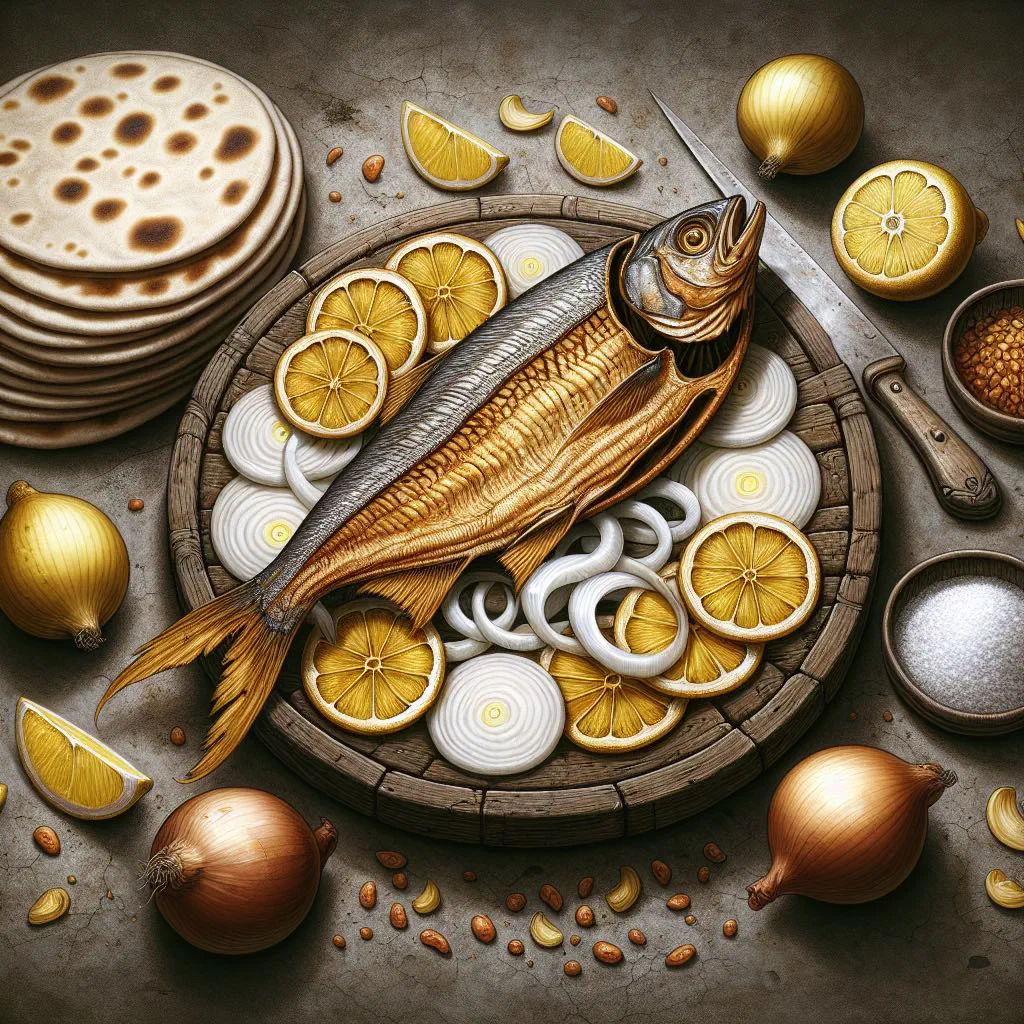
Feseekh is a traditional Egyptian dish made from fermented fish, most often grey mullet or a similar variety such as tilapia. It has a long and remarkable history, and is usually served with a generous mix of onions and salad. During Egyptian holidays, and above all during Sham el-Nessim, Feseekh is an essential part of the culinary calendar. The dish is celebrated for its unmistakable flavour and for its deep cultural significance, much like other classics of Egyptian cuisine.
Ingredients (serves 1–2)
- 300g fermented fish (grey mullet, tilapia or similar)
- 1 large onion, cut into rings
- 2 large tomatoes, diced
- 1 bunch fresh coriander, chopped
- 2–3 tablespoons olive oil
- Juice of 1 lemon
- Salt and pepper to taste
Shopping for the ingredients
When shopping for Feseekh, it is essential to make sure the fish is fresh and of high quality. Many specialist fishmongers and Middle Eastern or Asian grocers stock fermented fish preparations, and it is always worth asking the seller directly about how it was made. The remaining ingredients are available in any supermarket, though fresh herbs such as coriander make a real difference to the final flavour. If you would like to ferment the fish yourself, ask your fishmonger for the best methods or recipes.
Preparing the dish
Preparing Feseekh involves a few simple steps that are easy to follow. First, rinse the fermented fish carefully to wash away excess salt, then cut it into bite-sized pieces. The remaining ingredients, onions, tomatoes and coriander, can be prepared alongside. Everything should be as fresh and good quality as possible to guarantee the full, characteristic flavour of the dish.
Step-by-step instructions
- Place the fermented fish in a bowl and marinate with olive oil and lemon juice.
- Scatter the onion rings evenly over the fish.
- Add the diced tomatoes and the chopped coriander.
- Season with salt and pepper and mix everything together well.
- Cover and leave to rest in the fridge for about 30 minutes.
- Stir gently once more before serving and arrange neatly on a plate.
Gluten-free / lactose-free version
Feseekh is naturally gluten-free and lactose-free. Its main components are the fermented fish and fresh vegetables, neither of which contains these ingredients. Just make sure any oils or extra seasonings you use are also gluten-free. That way, anyone following a gluten- or lactose-free diet can enjoy this wonderful dish without worry.
Tips for vegans and vegetarians
For vegans or vegetarians, a version of Feseekh can be created by replacing the fermented fish with fermented vegetables or tofu. The rest of the recipe stays largely the same, with the remaining ingredients carried over as they are. Fermented vegetables can deliver a similar tangy, savoury experience, and rounding the dish off with aromatic spices helps intensify the flavour further still.
More tips and tricks
A few pointers for preparing Feseekh: use less salt if your fish is already heavily salted. Be sure to mix the ingredients thoroughly so the flavours spread evenly throughout the dish. If the taste of the fermented fish feels too intense, you can briefly grill it for a milder result. Experiment with different herbs and spices to discover new flavour combinations, much as you would with a punchy Feseekh Salad.
Adapting the recipe to your taste
The recipe for Feseekh is easy to adjust to suit individual preferences. For a milder version, increase the amount of onions or tomatoes. For a spicier experience, add chilli or other hot spices. You can also work in different seasonal vegetables to give the dish more variety and create fresh new flavours each time you make it.
Ingredient substitutions
If you do not have some of the ingredients to hand, there are plenty of alternatives for Feseekh. Instead of grey mullet you can use other types of fish you prefer. For the accompaniments, try adding avocado or radishes to lend the dish a fresh note. Be creative and experiment with whatever ingredients you have available, the same spirit that makes a Feseekh Sandwich so versatile.
Drink pairing ideas
Various drinks pair well with Feseekh and help support its bold aroma. Traditionally a chilled beer or fresh lime juice is served to balance the dish’s tang. A refreshing mint tea is another excellent choice to offset the richness of the fish. Aim for something light so the drink does not overshadow the flavours on the plate.
Serving and presentation ideas
Presentation can add a great deal to the Feseekh experience. Serve the dish on a large, colourful platter to bring out the bright colours of the ingredients. Fresh herbs make a lovely garnish and give the dish an inviting appearance. A thoughtful arrangement of the components can also do wonders to whet the appetite before the first bite.
A bit of history
The history of Feseekh stretches back to the era of the pharaohs and is woven deeply into Egyptian culture. It is regarded as a dish of festivals and celebrations, especially during Sham el-Nessim, which marks the end of winter and the arrival of spring. The fermentation of the fish was originally a preservation technique, keeping food edible over long periods. Today Feseekh is a symbol of Egyptian identity, passed down lovingly from one generation to the next.
More recipe ideas
Summary: Feseekh
In short, Feseekh is a superb example of Egyptian cooking, rich in flavour and steeped in tradition. The dish offers plenty of room for adaptation and is straightforward to prepare. With the right choice of ingredients and a few simple steps, anyone can enjoy the singular flavours of Feseekh at home. Let the history and traditions of this dish inspire you, and feel free to experiment with your own variations.