National Dish Egypt: Feteer (Recipe)
In this article
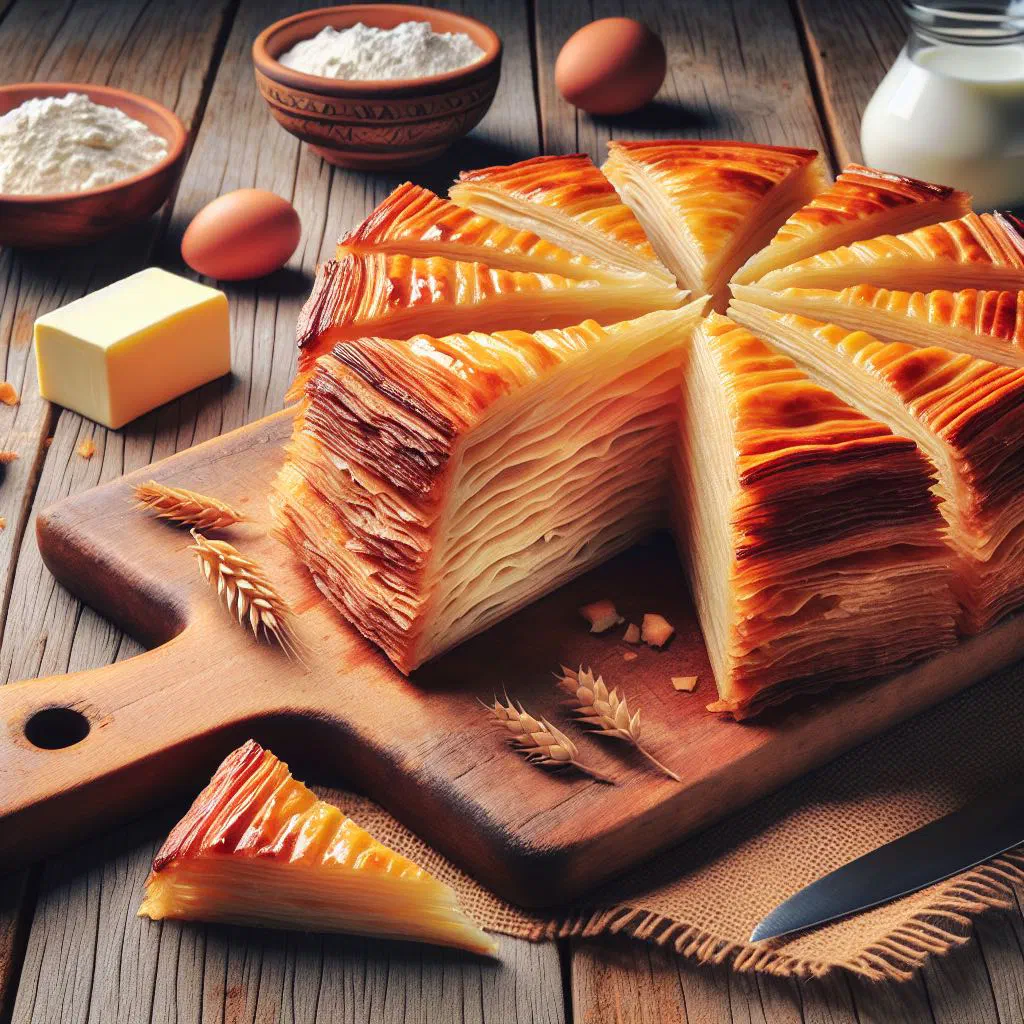
Say hello to Feteer, the wonderfully flaky pastry often nicknamed “Egyptian pizza”. Built from a fine dough that is folded again and again before baking, it bakes up gloriously crisp and layered, and it happily turns sweet or savoury depending on your mood. This versatile treat is perfect for any occasion, and it is far easier to make at home than it looks.
About Feteer
Feteer is a traditional Egyptian speciality that is often described as “Egyptian pizza”. This delicious dish is made from a fine dough that is folded several times and baked to achieve a crisp, flaky texture. Feteer can be prepared as both a savoury and a sweet version, which makes it a wonderfully flexible dish for any occasion. The fillings vary from region to region and from cook to cook, but the basic recipe stays the same and offers a marvellous foundation for culinary experiments.
Ingredients (serves 1–2)
- 250 g plain flour
- 125 ml water
- 1 teaspoon salt
- 2 tablespoons olive oil
- Butter, for brushing
- Filling of your choice (such as cheese, vegetables or honey)
Shopping for the ingredients
When shopping for feteer, it is worth paying attention to the quality of the flour, since it forms the very base of the dish. Where possible, choose organic flour for the best aroma and the best consistency. The filling can vary according to taste; fresh vegetables and good-quality cheese are recommended to guarantee the finest flavour. If you have particular preferences or dietary restrictions, it is a good idea to look into alternative ingredients in advance.
Preparing the dish
Before you start making feteer, set out all of your ingredients. The flour can be sifted into a large bowl, followed by the water, salt and olive oil, to form a smooth dough. Make sure you knead the dough thoroughly, then leave it to rest for at least one hour so that the gluten structure can develop. This step is the key to a crisp, airy feteer.
Step-by-step instructions
- Tip the flour into a bowl, then add the water, salt and oil.
- Knead the dough thoroughly until it is smooth.
- Wrap the dough in cling film and leave it to rest for 1 hour.
- Roll the dough out thinly and spread your chosen fillings evenly over it.
- Fold the dough around the filling and lay it in a greased pan.
- Brush the top of the dough with butter.
- Bake in a preheated oven at 200°C until golden brown, around 25–30 minutes.
Gluten-free / lactose-free version
For a gluten-free version of feteer you can use gluten-free flour, which gives a similar texture, though it is advisable to add xanthan gum or guar gum to stabilise the structure of the dough. If you prefer to live lactose-free, you can use plant-based margarine or oil instead of butter. These adjustments make it possible to enjoy the traditional flavours of feteer without compromising on your particular dietary needs. Experiment with different fillings to bring plenty of variety to this version too.
Tips for vegans and vegetarians
For those living a vegan lifestyle, it is important to avoid animal products. Instead of cheese, you can use vegan cheese or puréed avocado, which lends a lovely creamy texture of its own. Vegetable fillings such as courgette, peppers and spinach are healthy and bring freshness and flavour to the feteer. You can also play with spices such as cumin or coriander to make the filling even more interesting.
More tips and tricks
A common problem when making feteer is the dough sticking. A little flour dusted on the work surface while you roll it out will help. Another way to make the layers even fluffier is to fold the dough into sheets and brush each one with butter. Once you find the right heat and baking time, you will be rewarded with a beautifully flaky texture. Try adjusting the baking time to find the perfect level of crispness for your own taste.
Adapting the recipe to your taste
One of the joys of feteer is how versatile it is. You can vary the basic recipe to suit your preferences by combining different fillings. Popular combinations include spinach and feta or mushrooms and onions. If you like to experiment, add more adventurous ingredients such as meatballs or hot chillies to give your dish a personal twist, much in the spirit of a hearty Hawawshi.
Ingredient substitutions
If you do not have a particular ingredient to hand, there is often a tasty alternative. For the flour, you can use gluten-free blends or wholemeal flour to boost the nutritional value. Butter is easily replaced with plant-based fats, and fresh herbs make a lovely aromatic addition to the filling. It is well worth being creative and testing other ingredients too, such as potatoes or candied fruit for a sweet version that nods to dishes like Maamoul.
Drink pairing ideas
The right drink belongs alongside a delicious feteer. A fresh mint tea pairs beautifully and works well with the savoury flavours. Alternatively, a light yoghurt drink can help to complement the flavours and is wonderfully refreshing as well. A robust red wine could also make an interesting companion for the more savoury versions. The interplay between food and drink can enrich the whole culinary experience considerably.
Serving and presentation ideas
The presentation of feteer is just as important as the cooking. You can cut the feteer into triangular pieces and arrange them on a colourful plate. A squeeze of fresh lemon juice over the top adds flavour and looks appealing. Round out the presentation with various dips or salads to make the dish feel more lively. A thoughtful table setting using traditional Egyptian touches can lift the whole dining experience even further.
A bit of history
The origins of feteer can be traced all the way back to ancient Egypt, where similar layered doughs were already being made. The dish has endured over the centuries and remains a much-loved part of many Egyptian households today. Feteer was traditionally sold as street food and is still hugely popular at festivals and special occasions. The flexibility of the recipe has allowed feteer, in its many forms and with its many fillings, to become a celebrated part of Egyptian cuisine around the world.
More recipe ideas
Summary: Feteer
Feteer is more than just a dish; it is a culinary tradition that connects generations. With its flaky texture and its countless filling options, it manages to suit all manner of tastes. Feteer is always a hit. Give this recipe a try and enjoy a taste of Egyptian cuisine right in your own home.