National Dish Egypt: Foul Medames (Recipe)
In this article
Say hello to Foul Medames, the dish that has greeted Egyptians at the breakfast table for thousands of years. Slow-cooked fava beans are crushed and dressed with fruity olive oil, sharp lemon juice and warming spices, then scattered with fresh herbs. It is humble, deeply nourishing and endlessly comforting, a plate of food that carries the whole story of Egypt in a single, satisfying spoonful. Lunch or a light supper, it never disappoints.
About Foul Medames
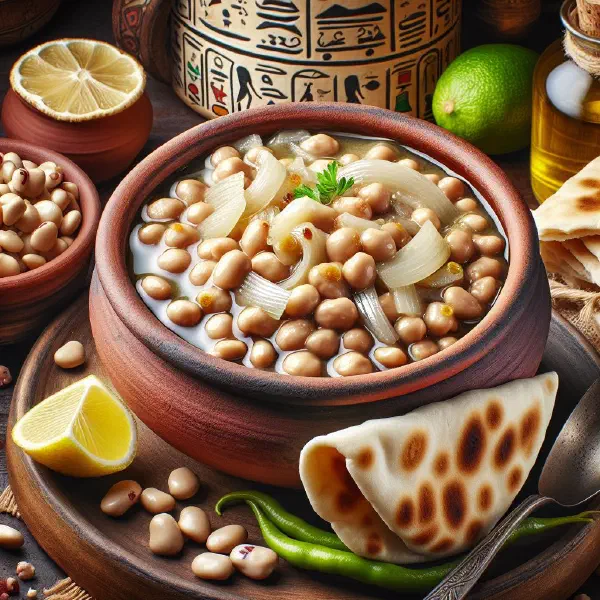
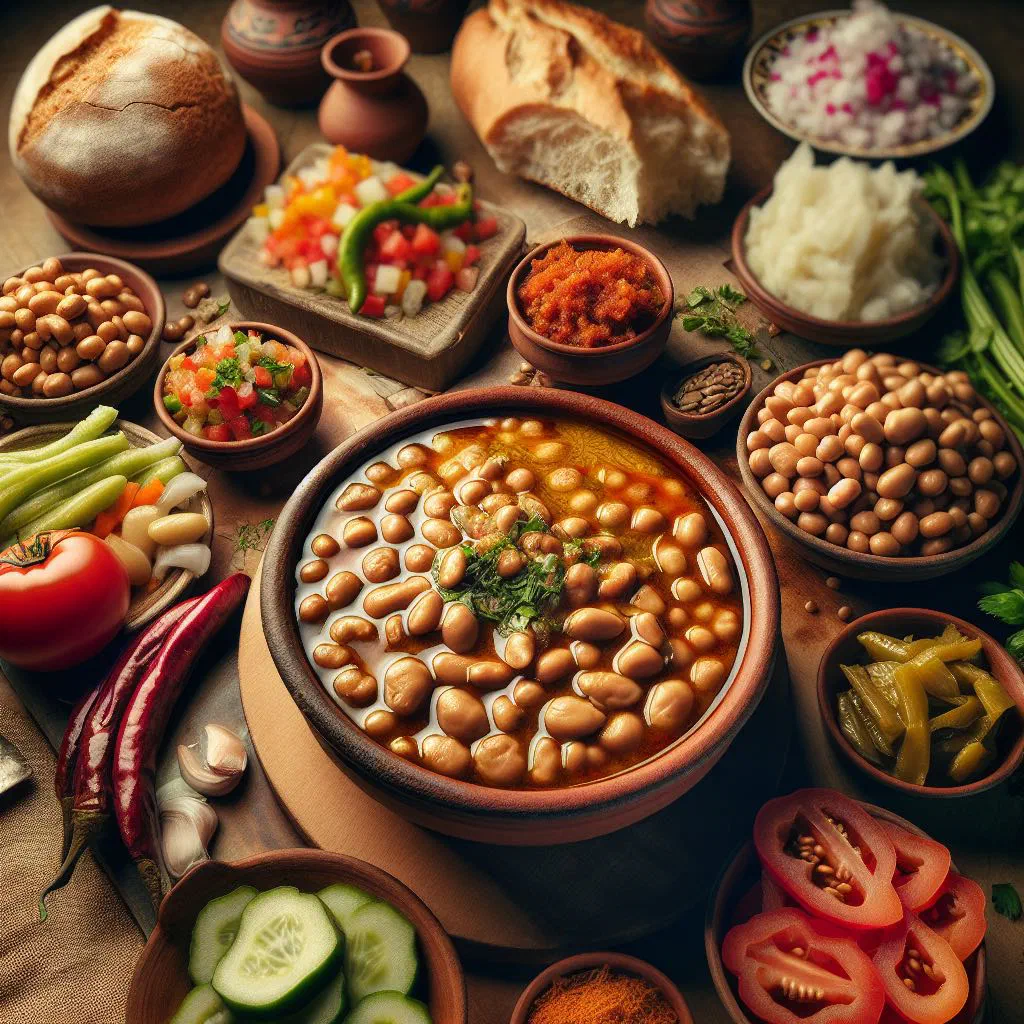
Foul Medames is a traditional Egyptian dish made from slow-cooked fava beans, widely regarded as the national dish of Egypt with a history that stretches back to antiquity. The beans are typically served with olive oil, garlic, lemon juice and a handful of spices, giving the dish its wonderfully aromatic and nourishing character. It can be enjoyed at breakfast, lunch or dinner alike, and is especially beloved by those who appreciate a quick, hearty meal. Like much of Egyptian cuisine, it proves that a few simple ingredients can deliver an enormous amount of flavour.
Ingredients (serves 1–2)
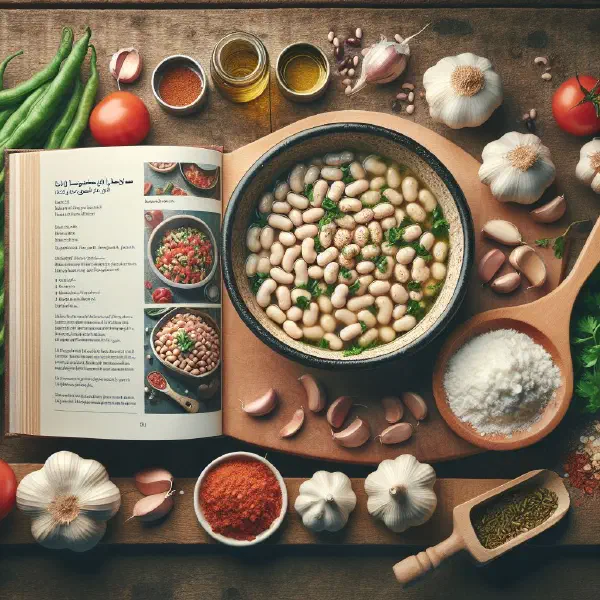
- 250 g fava beans (dried or tinned)
- 3 tablespoons olive oil
- 1–2 cloves garlic, finely chopped
- Juice of 1 lemon
- 1 teaspoon ground cumin
- Salt and pepper, to taste
- Fresh parsley, chopped (to taste)
- Chilli or paprika for a spicy kick (optional)
Shopping for the ingredients
The ingredients for foul medames are easy to find in most supermarkets as well as Middle Eastern or Turkish grocers. Fava beans are sold both dried and tinned; the latter are quicker to prepare and make a handy option on busy days. Be sure to choose a good-quality olive oil, as it has a real influence on the flavour of the finished dish. Fresh herbs such as parsley add extra aroma and a welcome touch of freshness.
Preparing the dish
If you are using dried fava beans, they need to be soaked overnight before cooking. This shortens the cooking time and leaves the beans wonderfully tender. The next day, simmer them in fresh water until soft. If you are working with tinned beans, you can skip this step entirely and move straight on to assembling the dish.
Step-by-step instructions
- Rinse the fava beans well and tip them into a pan.
- If using dried beans, bring them to the boil in fresh water and simmer for around 1–2 hours until soft, then drain.
- Heat the olive oil in a frying pan and sauté the garlic until lightly golden.
- Add the cooked beans and stir well to combine.
- Season with cumin, salt and pepper to taste, and fry the beans for a few minutes.
- Pour over the lemon juice and mix thoroughly.
- Garnish the dish with fresh parsley and, if you like, a little chilli.
- Serve warm and enjoy.
Gluten-free / lactose-free version
Foul medames is naturally gluten-free and lactose-free, which makes it a brilliant choice for anyone with particular dietary needs. If you are adding ingredients that might contain gluten, spice blends, for example, simply check that you are using certified gluten-free products. Another bonus is that the dish is entirely plant-based while still being rich in protein, making it an excellent option for anyone keen on a healthy, balanced diet.
Tips for vegans and vegetarians
Foul medames is a natural fit for vegans and vegetarians, as it contains no animal products whatsoever. To make it even more flavourful, you can stir in a variety of herbs and spices to suit your own taste. Think coriander or paprika. A final drizzle of olive oil just before serving also intensifies the flavour and gives the dish a lovely finishing touch. For more meat-free inspiration, the chickpea-based Falafel makes a perfect companion.
More tips and tricks
To make sure your fava beans cook evenly, it helps to give them a stir now and then during simmering. If you want a deeper, toastier flavour, you can lightly roast the beans before adding them to the pan. Instead of the standard spices, feel free to borrow ideas from cuisines around the world to discover new flavour combinations. And don’t forget, leftovers keep beautifully in an airtight container in the fridge, as the dish often tastes even better the next day.
Adapting the recipe to your taste
Foul medames is remarkably versatile and easily tailored to your own preferences. If you enjoy the taste of onions, add some finely chopped onion so it softens alongside the garlic as it cooks. For a creamier texture, mash some of the beans before stirring in the rest. Try a little curry powder or some fragrant ras el hanout for a different twist.
Ingredient substitutions
If you cannot get hold of fava beans, other varieties such as kidney beans or white beans offer similar flavours and textures. For anyone sensitive to citrus, alternatives such as apple cider vinegar or balsamic vinegar can step in nicely. The herbs are open to experimentation too; basil, for instance, pairs surprisingly well with the beans if you fancy a change. Let your creativity run free and adjust the recipe to suit your own taste, the same spirit that makes a simple Lentil Soup so endlessly adaptable.
Drink pairing ideas
A range of drinks works wonderfully alongside foul medames. A glass of freshly squeezed lemon juice offers the perfect refreshing counterpoint to this hearty dish. Alternatively, a cup of mint tea or a lightly chilled white wine makes for a pleasant pairing. If you prefer something alcohol-free, sparkling mineral water or a fruity smoothie are great companions. A glass of Hibiscus Tea brings a tart, ruby-red note that suits the meal beautifully.
Serving and presentation ideas
The presentation of foul medames can be both simple and refined. Serve it in an attractive bowl and finish with fresh herbs and a few drops of olive oil on top. For an extra touch, arrange thin slices of flatbread around the rim of the bowl, or cut it into small pieces and serve alongside, much like the soft, pillowy Aish Baladi found on Egyptian tables. Colourful napkins and plates can lift the whole spread and make the dish look all the more appetising.
A bit of history
Foul medames has a long tradition in Egyptian cooking that reaches all the way back to the time of the pharaohs. Historical records show that the dish was prized by the ancient Egyptians as a staple food. Over the centuries it has become an essential part of Egyptian culture, served everywhere from busy market stalls to busy restaurants. It symbolises simplicity, yet also the abundance and richness of Egyptian gastronomy.
More recipe ideas
Summary: Foul Medames
Foul medames is a genuinely nourishing one, perfect for any time of day. With only a handful of ingredients, the possibilities for variation and adaptation are practically endless. It brings together delicious flavours and a deeply rooted cultural significance in Egypt. Give this recipe a try and savour the warm, welcoming cuisine of ancient Egypt, your table will be all the richer for it.