National Dish Egypt: Gebna Domiati (Recipe)
In this article
Meet Gebna Domiati, the soft white cheese that has graced Egyptian tables for centuries. Mild, creamy and gently salted, it is the kind of everyday treasure that turns a handful of simple ingredients into something memorable. Tossed with ripe tomatoes, crisp cucumber and a glug of fruity olive oil, it makes a fresh, effortless dish you can pull together in minutes. Bring a taste of the Nile Delta straight to your own kitchen.
About Gebna Domiati
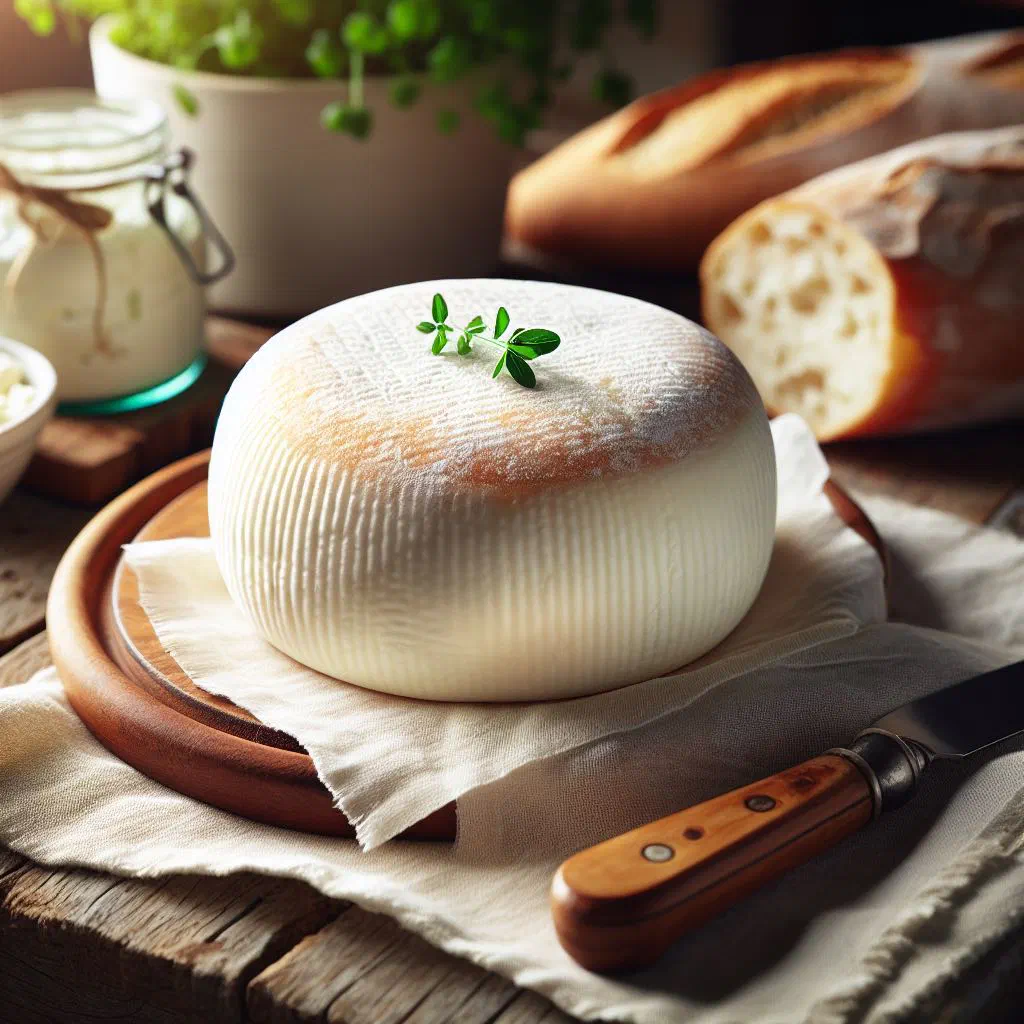
Gebna Domiati is a traditional Egyptian cheese made from fresh cow’s milk. Its creamy texture and mild flavour have made it a much-loved ingredient across countless Egyptian dishes. It is most often enjoyed in salads, layered into sandwiches or simply eaten as a snack. This humble cheese reflects the rich culinary tradition of Egypt and is a true staple in any home kitchen.
Ingredients (serves 1–2)
- 200 g Gebna Domiati
- 1–2 tomatoes
- 1/2 cucumber
- Fresh coriander or parsley
- Olive oil
- Salt and pepper, to taste
Shopping for the ingredients
To find the best ingredients for your dish, it is worth heading to a local market or a well-stocked supermarket. Look out for fresh Gebna Domiati, as the quality of the cheese has a big influence on the finished plate. Seasonal vegetables such as tomatoes and cucumbers boost the flavour and the nutritional value of the dish. Olive oil, another key element, lends the whole thing a touch of refinement.
Preparing the dish
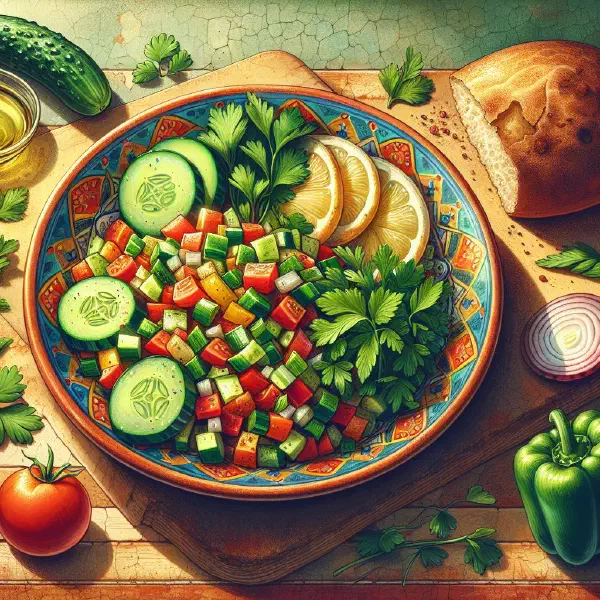
Before you start putting your dish together, it is important to prepare everything properly. Wash the vegetables thoroughly and chop the tomatoes and cucumber into small pieces. The Gebna Domiati can be cut into cubes or crumbled, depending on your preference. Fresh herbs such as coriander or parsley can also be finely chopped to fold in extra layers of flavour.
Step-by-step instructions
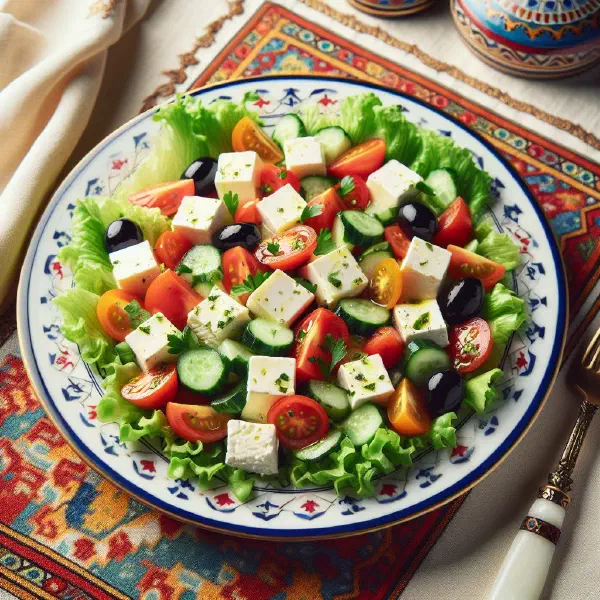
- Combine all the ingredients in a bowl: start by adding the cubed Gebna Domiati, the tomatoes and the cucumber.
- Drizzle over a little olive oil and season with salt and pepper.
- Add the freshly chopped herbs and toss everything together gently.
- Serve straight away, or let it rest somewhere cool for a while so the flavours can develop.
Gluten-free / lactose-free version
Gebna Domiati is naturally gluten-free, which makes it an excellent choice for anyone with a gluten intolerance. Just take care to keep the other ingredients gluten-free too, such as the olive oil and the vegetables. For those who are lactose intolerant, the cheese can be trickier, since it is made from cow’s milk. In that case, a lactose-free cheese alternative is well worth considering.
Tips for vegans and vegetarians
For vegans, things are a little harder here, as Gebna Domiati is a dairy product. That said, there are plant-based cheese alternatives made from nuts or soya that can offer a similar texture and flavour. Vegetarians, on the other hand, can carry on enjoying Gebna Domiati, since it contains no animal rennet. It is always worth checking the ingredients list when choosing cheese, to make sure it fits your own dietary guidelines.
More tips and tricks
A good tip for getting the most out of your Gebna Domiati is to serve it at room temperature rather than fridge-cold, so its full flavour has a chance to come through. Arranging the cheese and other ingredients neatly in a bowl can make the dish look far more appealing. Experiment with different herbs and spices to discover new flavour combinations. Finally, you can prepare dishes with Gebna in all sorts of variations to bring some welcome variety to the table.
Adapting the recipe to your taste
Tailor the recipe to your own preferences by adding different vegetables or spices. Red onions or peppers, for instance, can be folded in for extra colour and flavour. The amount of cheese can also be adjusted depending on whether you prefer something creamier or lighter. This flexibility makes the recipe wonderfully versatile and inviting for all kinds of palates, much like a bright Arugula Salad.
Ingredient substitutions
If you cannot get hold of Gebna Domiati, other fresh cheeses such as feta or ricotta will work well too. Likewise, the fresh herbs can be swapped for dried ones, though fresh flavour is always preferable. If you do use dried herbs, remember to scale back the quantity, as they are more intense. These variations let you experiment with different flavours and slot the cheese into a dish of your choice, just as it shines in a Domiati Cheese Salad.
Drink pairing ideas
Light, refreshing drinks pair beautifully with a dish built around Gebna Domiati. Sparkling water or freshly pressed juices make a pleasant accompaniment. Alternatively, a mild white wine or a fruity lemonade can underline the flavour of the dish. A glass of Mint Tea is another lovely choice. These combinations ensure the flavours of both the cheese and the sides come through wonderfully.
Serving and presentation ideas
An attractive presentation can lift the whole eating experience considerably. Use large, shallow plates and arrange the ingredients in a thoughtful pattern. Garnish the dish with fresh herbs or a pinch of pepper to add colour and texture. Using natural materials such as wooden or stone platters can underline the Egyptian flair and round off the overall picture, especially alongside warm Eish Baladi.
A bit of history
The roots of Gebna Domiati go back centuries and are deeply woven into Egyptian culture. It plays a significant role in traditional Egyptian eating and features in countless family recipes. Its production process has barely changed across the generations. This authenticity makes it a true symbol of Egyptian identity and a proud part of Egyptian cuisine.
More recipe ideas
Summary: Gebna Domiati
Gebna Domiati is a delicious, traditional Egyptian cheese that is endlessly versatile. Whether in salads, sandwiches or as a snack, its flavour enriches every dish. With this recipe you can bring the flavours of Egypt into your own home and enjoy just how simple it is to prepare. Let it inspire you and discover the rich culture bound up in this remarkable cheese.