National Dish Egypt: Halabessa (Recipe)
In this article
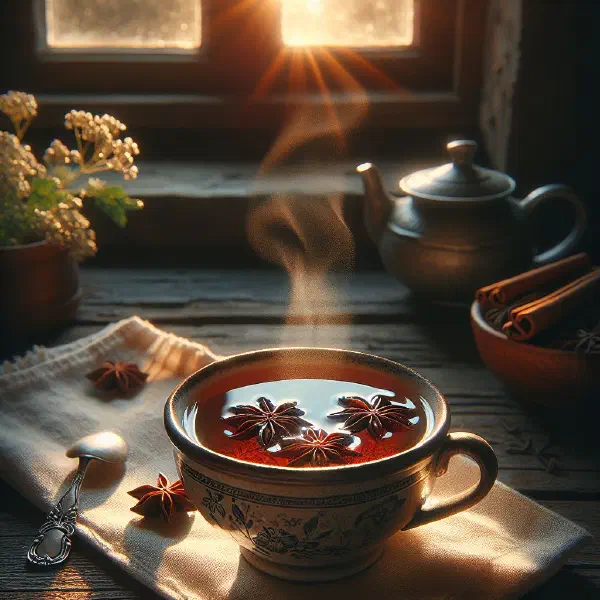
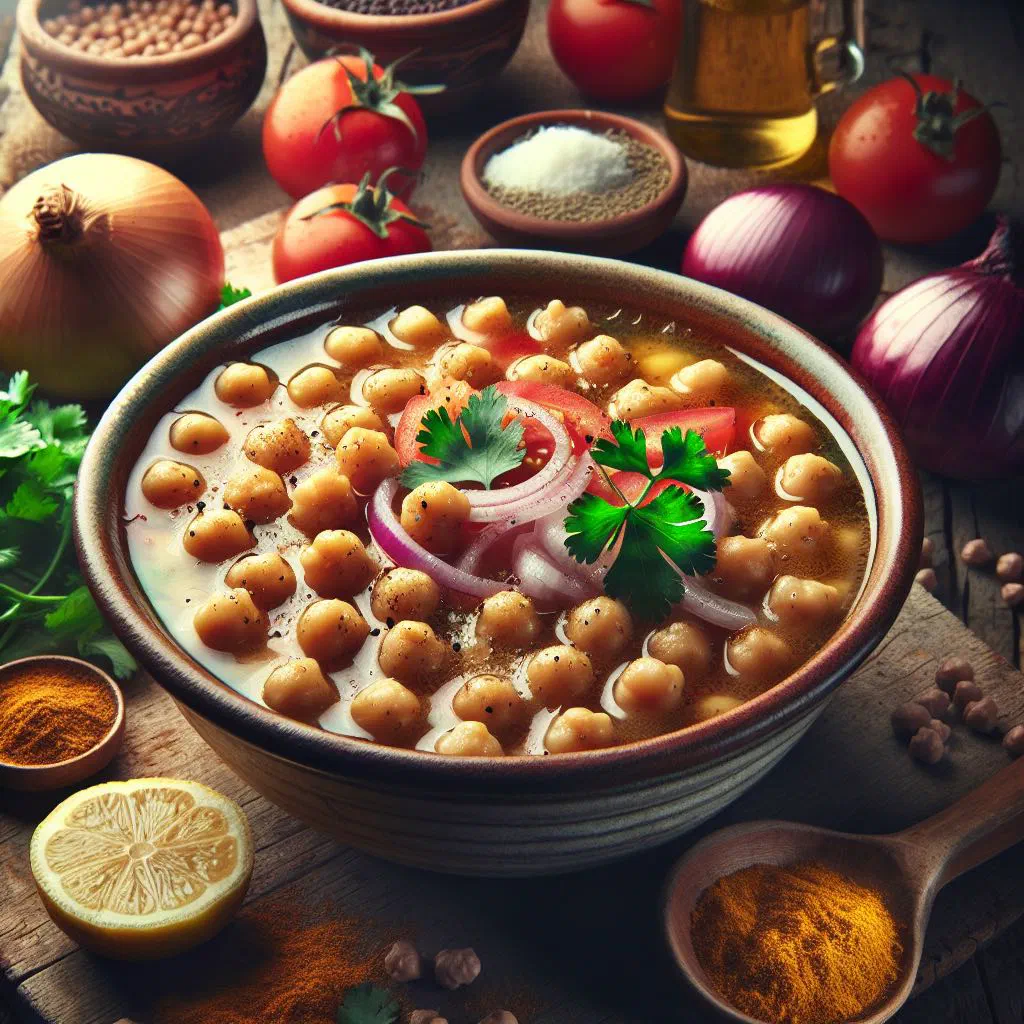
Halabessa is winter in a cup: warm chickpea broth, sharpened with lemon and cumin and lifted with a splash of hot sauce, sold from carts on cold Cairo evenings and drunk standing up. The chickpeas sit at the bottom and are eaten with a spoon once the broth is gone — half drink, half soup, entirely restorative.
About Halabessa
Halabessa is Egypt’s warm chickpea drink, a street speciality that appears as soon as the weather turns. Cooked chickpeas and their broth are seasoned with cumin, lemon and chilli sauce and served hot in cups or glasses. It is sold from small carts alongside roasted sweet potatoes on winter nights, and it counts as both a drink and a light meal depending on how many chickpeas you get.
Ingredients (serves 1–2)
- 150 g dried chickpeas (soaked overnight) or 1 tin chickpeas
- 500 ml water
- 1 teaspoon ground cumin
- ½ teaspoon salt
- Juice of ½ lemon
- A little hot sauce (chilli sauce), to taste
- 1 tablespoon olive oil
- Optional: a pinch of cayenne pepper
Shopping for the ingredients
Dried chickpeas soaked overnight give a far better broth than tinned, since the cooking liquid is half the dish, but tinned chickpeas plus a good vegetable stock make a respectable shortcut. Ground cumin should be fresh; it is the dominant flavour and stale cumin tastes of dust.
Preparing the dish
Soak the dried chickpeas overnight in plenty of cold water with a pinch of bicarbonate of soda, which softens them noticeably. Cook them in fresh water until completely tender, and keep every drop of the cooking liquid. That broth is the point of halabessa.
Step-by-step instructions
- Soak the chickpeas overnight, then drain.
- Simmer in the 500 ml water for 60–90 minutes, until very soft.
- Do not drain — the cooking liquid is the base of the drink.
- Stir in the cumin and salt while still hot.
- Add the lemon juice and taste; it should be savoury and bright.
- Ladle into cups or glasses, chickpeas and broth together.
- Finish each cup with a drizzle of olive oil and a dash of hot sauce.
Gluten-free / lactose-free version
Halabessa is naturally free from both gluten and lactose, chickpeas, water, lemon and spices. It needs no adaptation whatsoever and happens to be an unusually nourishing drink for anyone with restrictions.
Tips for vegans and vegetarians
The drink is vegan exactly as written and is a genuinely good source of plant protein, which is precisely why it became winter street food for working Cairo. Nothing needs substituting.
More tips and tricks
Add a pinch of bicarbonate of soda to the soaking water; it softens the chickpea skins and gives a smoother broth. Season generously, since a bland halabessa is a sad thing. And serve it properly hot, in a cup you can wrap your hands around.
Adapting the recipe to your taste
Some vendors blend part of the chickpeas into the broth for a thicker, creamier drink. Garlic, coriander or a bay leaf in the cooking water all add depth. Extra chilli is standard, and many people add a splash of vinegar alongside the lemon.
Ingredient substitutions
Tinned chickpeas with vegetable stock cut the time to ten minutes. White beans work in place of chickpeas for a milder version. Lime substitutes for lemon without complaint.
Drink pairing ideas
Halabessa is the drink, and on the street it is sold alongside roasted sweet potatoes (batata), the two together are the classic Egyptian winter snack. Nothing else is required.
Serving and presentation ideas
Serve halabessa hot in glass cups so the chickpeas are visible at the bottom, with lemon wedges and hot sauce on the table so everyone adjusts their own. A spoon is essential for the chickpeas once the broth is drunk. It is street food, so ceremony is not the point.
A bit of history
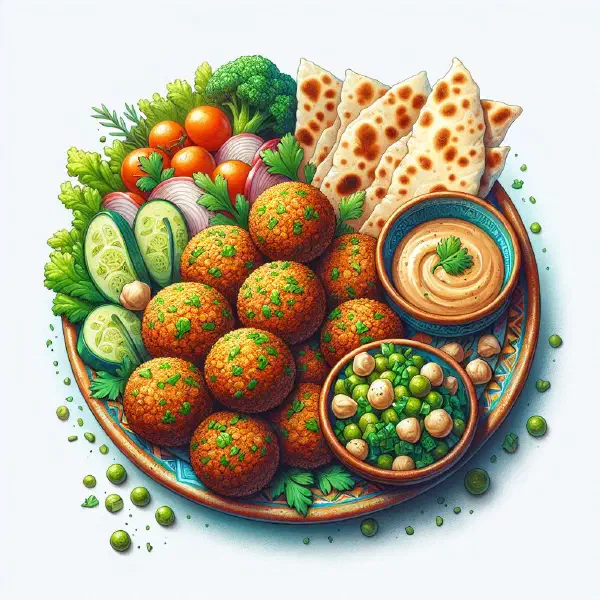
Chickpeas have been grown in Egypt for thousands of years and appear in every form from falafel to hummus to this simplest of preparations. Halabessa carts are a seasonal fixture of Cairo winters, appearing on street corners as the temperature drops and vanishing again in spring. It offers a genuine window onto Egyptian cuisine.
More recipe ideas
Summary: Halabessa
Halabessa is warm chickpea broth seasoned with cumin, lemon and chilli, Egypt’s winter street drink, half soup and entirely comforting. Keep the cooking liquid, season it boldly, and drink it hot.