National Dish Egypt: Haresa (Recipe)
In this article
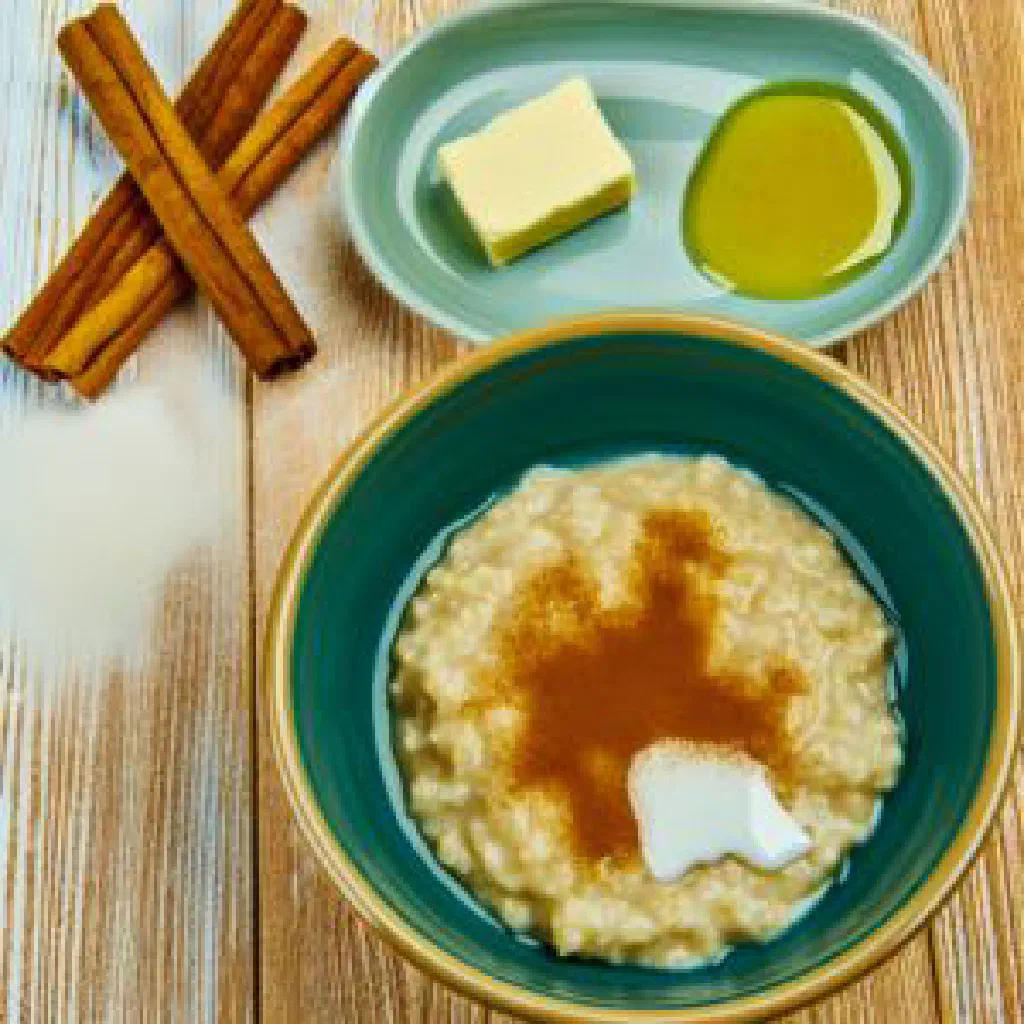
Say hello to Haresa, a homely and deeply comforting dish that captures the warmth of the Egyptian kitchen. Built around tender durum wheat, crunchy nuts and a fragrant blend of spices, it strikes a lovely balance between hearty and aromatic. This savoury classic is the kind of food that brings people together around the table.
About Haresa
Haresa is a traditional Egyptian dish, prized above all for its savoury, warming flavours. It brings together durum wheat and nuts with a medley of aromatic spices that give it a character all its own. Preparing it is something of an art in itself, and the finished dish reflects the rich diversity of Egyptian cooking. Served as a hearty main course or as an appealing side dish, Haresa wins over food lovers of every kind.
Ingredients (serves 1–2)
- 200 g durum wheat
- 100 g nuts (such as almonds or pistachios)
- 2 tablespoons olive oil
- 1 teaspoon cinnamon
- 1 teaspoon cumin
- Salt and pepper, to taste
- Water, as needed
Shopping for the ingredients
To make Haresa you mainly need ingredients that are easy to find in most supermarkets or in Middle Eastern grocery shops. When buying durum wheat, look for grains that are fresh and of good quality, as the texture plays a decisive role in the final result. The choice of nuts matters too; almonds or pistachios lend the dish a particularly fine flavour. Don’t forget to buy your spices fresh as well, to bring out the full aroma of the dish.
Preparing the dish
Before you begin cooking Haresa, it is important to get all your ingredients ready. The durum wheat should be soaked overnight in water so that it takes on a pleasant texture as it cooks. Meanwhile, the nuts can be roughly chopped to release their flavours at their best. Make sure you also have all your spices to hand, to make the whole cooking process run smoothly.
Step-by-step instructions
- Bring the soaked durum wheat to the boil in a saucepan of water.
- Add the olive oil, cinnamon and cumin, along with salt and pepper.
- Reduce the heat and simmer the wheat for around 30 minutes, until soft.
- Stir the chopped nuts into the mixture and combine well.
- Take the dish off the heat and let it cool a little before serving.
Gluten-free / lactose-free version
For a gluten-free version of Haresa, you can swap the durum wheat for quinoa or rice. These alternatives are gluten-free and offer an excellent texture and a delicate flavour. Take care that all the other ingredients are gluten-free as well. When preparing the dish, also make sure the nuts you use are lactose-free, so that it fully suits the needs of anyone with a lactose intolerance.
Tips for vegans and vegetarians
Haresa is naturally vegan and vegetarian, which makes it an ideal choice for anyone with particular dietary needs. To make the dish even more nourishing, you can add extra vegetables such as carrots or spinach. These ingredients bring flavour and valuable nutrients. Be sure to use fresh spices to lift the dish and keep it wholesome.
More tips and tricks
To make preparing Haresa even easier, you can get some of the steps done in advance. The durum wheat can be soaked the day before, for example, and the nuts toasted ahead of time. This saves time and improves the aromas of the dish. Experiment with different spices to find your own personal touch and tailor the dish to your liking. The same fragrant, warming spices shine in a comforting bowl of Belila.
Adapting the recipe to your taste
Haresa is wonderfully adaptable and easily changed to suit personal taste. If you prefer a nut-free diet, for instance, you can simply leave the nuts out or replace them with dried fruit. The spices can vary too; try paprika or curry powder for a creative twist. Give your imagination free rein to create your perfect bowl of Haresa.
Ingredient substitutions
If you cannot find some of the ingredients for Haresa, there are excellent alternatives. Instead of durum wheat you can use millet or bulgur, which offer a similar texture, the very same grain that gives a Tabbouleh its body. For a little extra sweetness you can stir in honey or agave syrup. Be ready to experiment and discover new combinations.
Drink pairing ideas
To round off the flavour of Haresa, several drinks come highly recommended. A refreshing Mint Tea pairs beautifully with this savoury dish and aids digestion. A simple yoghurt drink also makes an ideal companion. For festive occasions, even a fruity cocktail can offer an interesting combination.
Serving and presentation ideas
Presentation plays an important part in serving Haresa. You can arrange the dish in a pretty bowl and garnish it with a few nuts and a sprinkling of parsley to create visual appeal. Serve it with a small bowl of yoghurt or a fresh Arugula Salad for a balanced meal. The perfect look can heighten the enjoyment even further.
A bit of history
The origins of Haresa reach far back into Egyptian history and are closely tied to the country’s traditions and culinary practices. In Egyptian households it is often served on special occasions, which underlines its social and cultural significance. Haresa also is a symbol of hospitality and of sharing delicious food with friends and family. The dish has evolved over the years, yet it remains a firm fixture of Egyptian cuisine.
More recipe ideas
Summary: Haresa
Haresa is more than just a dish; it is a part of Egyptian culture and tradition. With its many flavours and its versatility, it is a meal that adapts easily to individual tastes. Haresa offers a delicious way to experience Egyptian cooking. Give this much-loved dish a try and let its history inspire you.