National Dish Egypt: Herb-Stuffed Flatbread (Recipe)
In this article
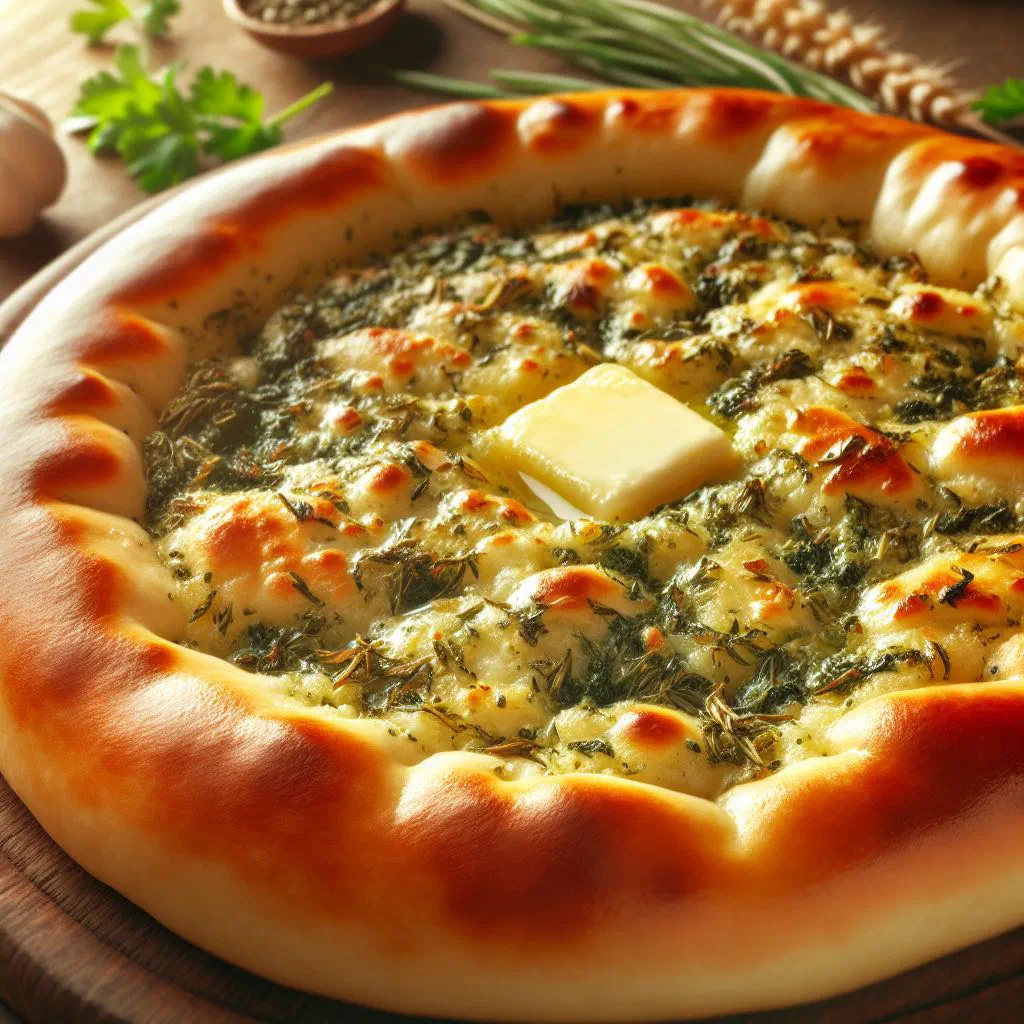
Say hello to Herb-Stuffed Flatbread, a fragrant Egyptian classic that turns a humble dough into something truly special. Soft, pillowy bread wraps around a vivid filling of fresh herbs and warming spices, sometimes enriched with a crumble of salty cheese. It works beautifully as a snack, a side or a light meal, and it carries the colour and warmth of Egyptian hospitality in every bite. Bring a taste of the busy Egyptian table straight to your own kitchen.
About Herb-Stuffed Flatbread
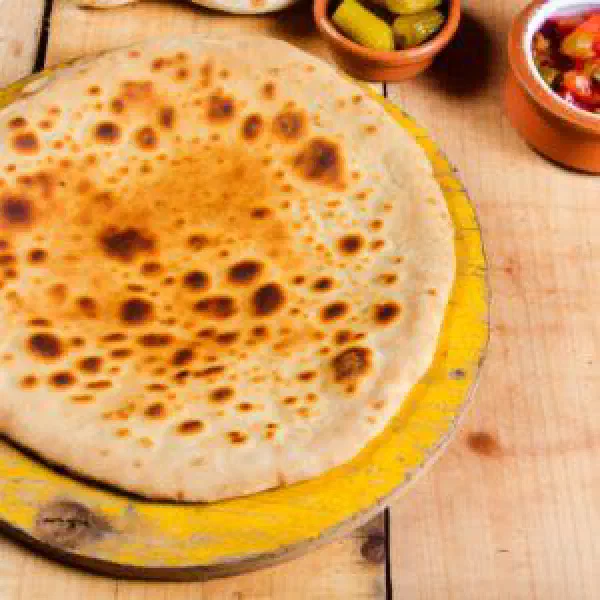
Egyptian Herb-Stuffed Flatbread is a culinary gem that wins over locals and visitors alike. A tender dough encloses a spiced mixture of fresh herbs that lends the dish a wonderfully distinctive aroma. It is sometimes enriched with cheese-style fillings that deepen the flavour and make every mouthful more satisfying. More than just a tasty snack, it also makes a brilliant accompaniment to all manner of main courses, and it sits comfortably within the wider world of Egyptian cuisine.
Ingredients (serves 1–2)
- 250 g plain flour
- 1 teaspoon salt
- 150 ml water
- 2 tablespoons olive oil
- 100 g fresh herbs (e.g. parsley, dill, mint)
- 100 g feta cheese (optional)
- 1 teaspoon paprika or other spices of your choice
Shopping for the ingredients
The ingredients for herb-stuffed flatbread are easy to find in most supermarkets. For the fresh herbs, it is worth heading to the produce section, where you will usually find a generous range to choose from. The feta cheese sits in the cheese aisle and can also be swapped for vegan alternatives. When buying your flour, choose a well-milled variety to get the best possible baking result.
Preparing the dish
To begin, wash and chop the fresh herbs thoroughly to release their aromas. If you would like to use cheese, crumble it and fold it through the herb mixture. Next, make the dough by combining the flour, salt, water and olive oil in a bowl and kneading it into a smooth ball. Let the dough rest for about 30 minutes so it can relax and become easier to work with.
Step-by-step instructions
- Roll the dough out thinly on a floured surface.
- Spread the herb and cheese mixture evenly across the dough.
- Carefully roll the dough up and seal the ends well.
- Heat a pan and fry the flatbread until golden brown on both sides.
- Garnish with a little more fresh herb and serve warm.
Gluten-free / lactose-free version
To make herb-stuffed flatbread gluten-free, simply use a gluten-free flour, widely available in health-food shops and supermarkets. For a lactose-free version, reach for a lactose-free feta or cheese alternative to avoid any intolerance. The method stays exactly the same, so you can still enjoy all the flavourful variety of this dish without any trouble. It is also worth double-checking that your spices and herbs are certified gluten-free.
Tips for vegans and vegetarians
Vegetarians can make this recipe just as it is, with the feta cheese folded into the filling. Vegans, meanwhile, should opt for plant-based alternatives. For a punchy aromatic profile in a vegan herb-stuffed flatbread, pressed tofu or a mix of nuts and herbs works wonderfully. Experiment with different combinations to find the very best flavour, and have fun playing around in the kitchen.
More tips and tricks
A great tip for herb-stuffed flatbread is to lean on fresh herbs, as they give the dish far more aroma than dried. Feel free to adjust the spices to suit your own taste. Take care not to roll the dough too thickly, as this can throw off the cooking time. A non-stick pan helps stop the flatbread from sticking and gives you an even, golden finish.
Adapting the recipe to your taste
Herb-stuffed flatbread is incredibly versatile and easy to tailor to your own preferences. Instead of the classic herb mixture, you can add other fillings such as spinach, mushrooms or any vegetables you fancy. The spices, too, can be varied to give the dish an Asian or Mediterranean flair.
Ingredient substitutions
If you do not have fresh herbs to hand, dried herbs will do the job. Just go gently with the quantity, as they are more intense. For a gluten-free option, rice flour or another gluten-free blend works well. If feta is not for you, a plant-based cheese is an easy swap, much like the dairy-free choices that suit Baba Ghanoush. The key is to shape the recipe around what you enjoy.
Drink pairing ideas
A range of refreshing drinks pairs beautifully with a delicious herb-stuffed flatbread. A traditional Egyptian Mint Tea or a fruity Pomegranate Juice both harmonise wonderfully with the flavours of the dish. For an alcoholic option, a dry white wine underscores the herbal notes nicely. Round things off with a cool, sparkling mineral water to complete the experience.
Serving and presentation ideas
Presentation can lift the whole herb-stuffed flatbread experience. Serve it on an attractive plate and garnish with fresh herbs or a squeeze of lemon for a touch of brightness. You could also offer a dip alongside, such as a creamy Hummus or tahini sauce, to add colour and contrasting flavour. A pretty arrangement of the components on the table invites everyone to dig in and explore.
A bit of history
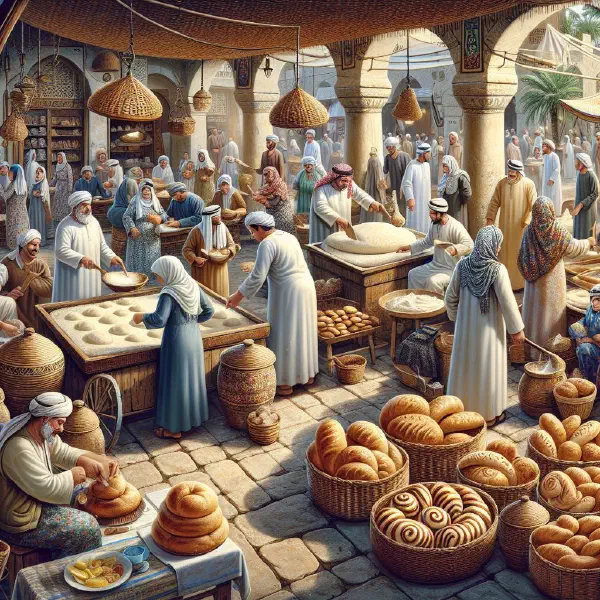
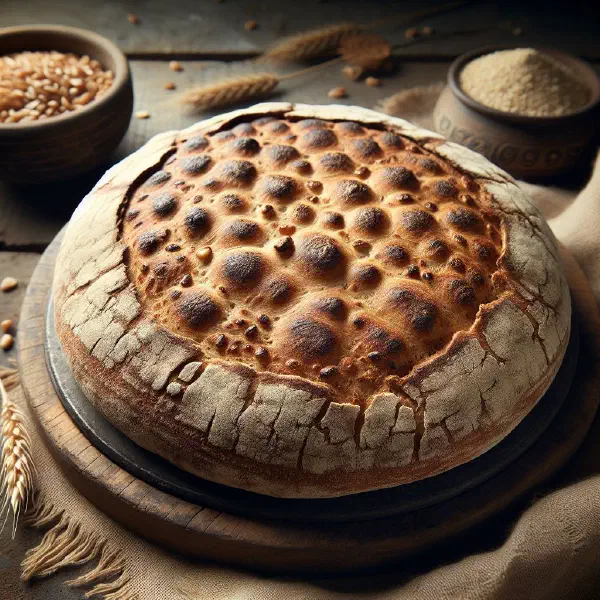
Herb-stuffed flatbread has its roots in the rich Egyptian culture, where it has been prepared for centuries. It is a symbol of hospitality, often served at celebrations and gatherings. Historically, bread was seen not merely as sustenance but as a carrier of flavour and tradition, sitting alongside time-honoured loaves such as Aish Baladi. This blend of pleasure and culture makes herb-stuffed flatbread an important part of the Egyptian table.
More recipe ideas
Summary: Herb-Stuffed Flatbread
Herb-stuffed flatbread is a wonderful dish that captures the flavours of Egypt beautifully. A side or a main course, its versatility and delicious taste make it a firm favourite in many homes. With simple ingredients and an uncomplicated method, you can recreate this dish at home and impress your guests. Savour the aromas and the cultural meaning of this time-honoured dish.