National Dish Egypt: Hibiscus Tea (Recipe)
In this article
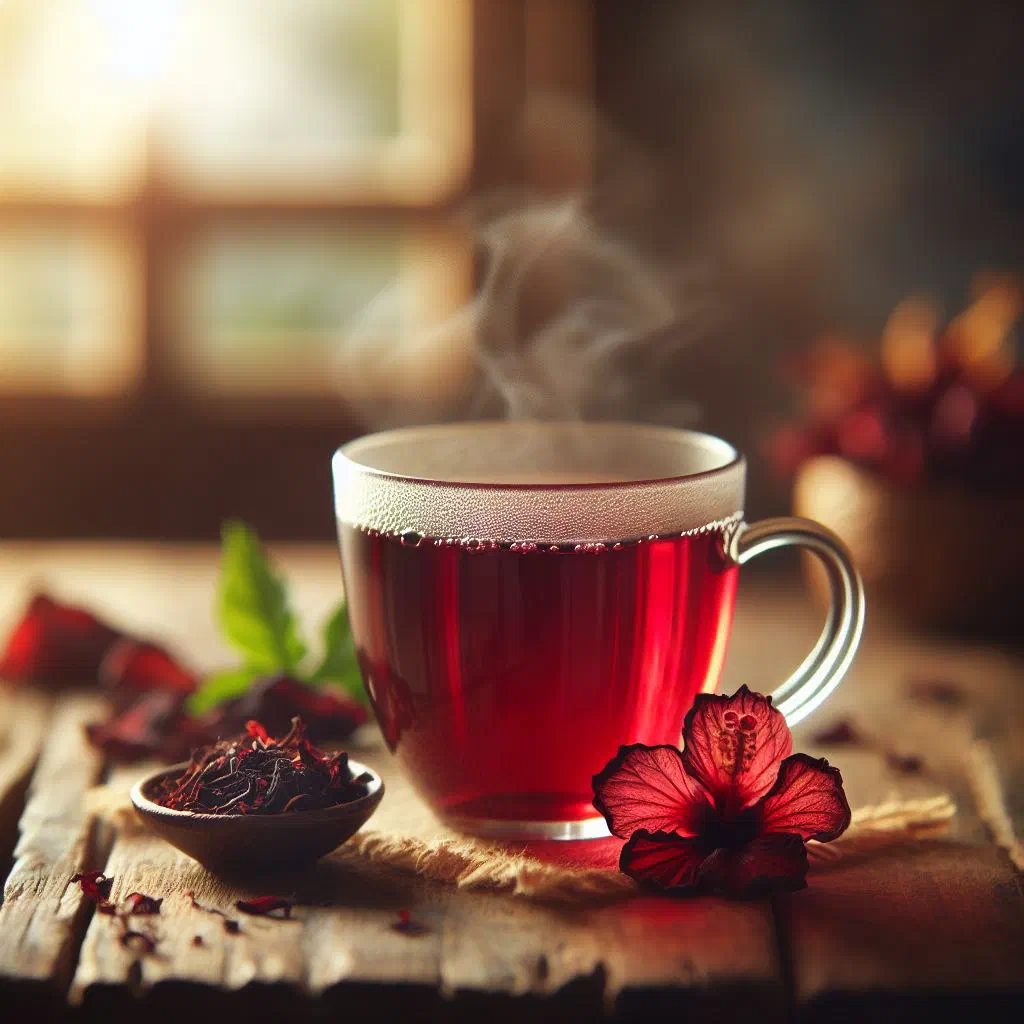
Discover Hibiscus Tea, one of Egypt’s most cherished drinks. Known locally as karkade, this striking ruby-red brew is made from dried hibiscus flowers and tastes wonderfully fruity with a gentle tartness. Refreshing when served chilled over ice yet just as comforting when sipped warm, it has long been a fixture of Egyptian hospitality. Bring a little of Egypt’s bright flavour into your own kitchen with this simple, soothing recipe.
About Hibiscus Tea
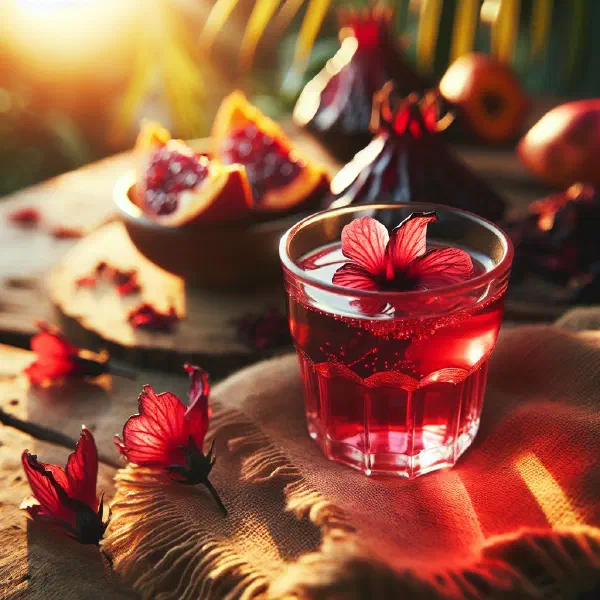
Egyptian Hibiscus Tea, also known as karkade, is a much-loved drink that is as refreshing as it is wholesome. It is made from the dried flowers of the hibiscus plant and pours a deep, eye-catching crimson that is impossible to miss. The flavour is fruity with a pleasant, slightly sour edge, which makes it the perfect drink for hot summer days. On top of that, hibiscus tea is rich in antioxidants and is often valued for the way it supports the immune system.
Ingredients (serves 1–2)
- 2 tablespoons dried hibiscus flowers
- 500 ml water
- Honey or sugar, to taste
- Fresh mint leaves (optional)
Shopping for the ingredients
The ingredients for Egyptian hibiscus tea are easy to find in many supermarkets or in Middle Eastern and North African grocery shops. When buying the hibiscus flowers, look for good-quality petals with no added ingredients. Honey or sugar can be chosen to suit your own taste, and fresh mint leaves make an optional but delicious extra that lends the tea an even more refreshing lift. Much like a fragrant Mint Tea, the quality of your dried leaves makes all the difference.
Preparing the dish
Before you start, it helps to have everything to hand so the process runs smoothly. Measure the dried hibiscus flowers into a bowl and have your water ready in a saucepan. To deepen the flavour, you might prepare a little fresh mint as well. Make sure you also have a suitable glass or carafe ready for serving, so you can present the tea in style.
Step-by-step instructions
- Bring the water to the boil in a saucepan.
- Add the dried hibiscus flowers and let the tea steep for about 10–15 minutes.
- Strain out the flowers and sweeten with honey or sugar to taste.
- Garnish with fresh mint leaves if you like, then serve.
Gluten-free / lactose-free version
This recipe for Egyptian hibiscus tea is naturally free from gluten and lactose, which makes it an excellent choice for anyone with related allergies or intolerances. There is no need to worry about hidden allergenic ingredients when enjoying this drink. That makes hibiscus tea an universal option for everyone in search of healthy, delicious beverages, in much the same way as a soothing Anise Tea.
Tips for vegans and vegetarians
In its basic form, Egyptian hibiscus tea is both vegan and vegetarian, which makes it a brilliant fit for any plant-based way of eating. If you would like to sweeten it, you can use plant-based sweeteners such as agave syrup or maple syrup in place of honey. This keeps the drink entirely plant-based without compromising on taste or texture. You can also enjoy it unsweetened, to experience the full character of the hibiscus flowers.
More tips and tricks
For a more intense aroma, prepare the hibiscus tea by soaking the flowers in a little cold water beforehand. This allows the flavours to unfold more fully. You can also experiment by adding other herbs or fruits to the brew. A dash of lemon juice brings a fresh note to the tea and complements the flavour of the hibiscus flowers beautifully.
Adapting the recipe to your taste
The recipe for Egyptian hibiscus tea lends itself wonderfully to personal preference. You can try different sweeteners or play with the steeping time to reach the flavour you want. The amount of hibiscus flowers can be varied too, depending on how intense you like the tea. Feel free to combine it with other tea varieties, a little Ginger Tea, for example, to create exciting new taste experiences.
Ingredient substitutions
If you do not have dried hibiscus flowers to hand, you can use hibiscus tea bags, which are widely available in tea shops. Instead of honey you might use stevia or another sweetener to make the tea lower in calories. You can also add fresh fruit such as raspberries or strawberries, which lend a fruity note while making the drink more visually appealing. It is well worth experimenting with different ingredients to discover the combinations you like best.
Drink pairing ideas
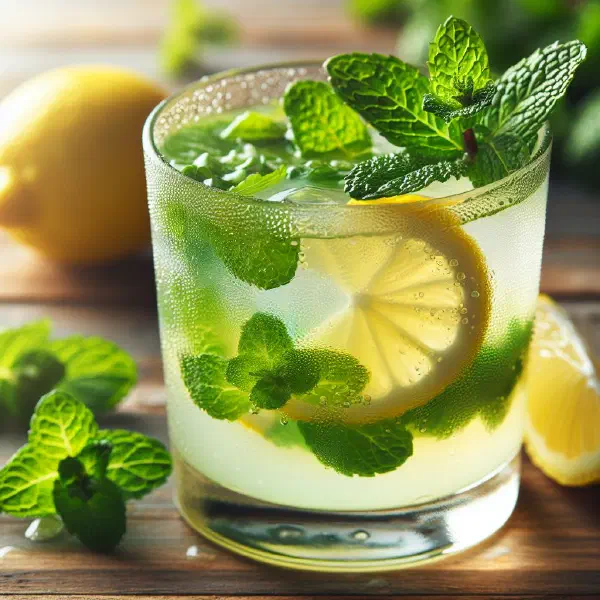
Egyptian hibiscus tea pairs beautifully with a wide range of snacks and dishes. Serve it alongside Middle Eastern starters or fresh salads for a refreshing accompaniment. Light desserts such as fruit salad or yoghurt with honey also harmonise wonderfully with the lively flavour of the tea. For variety across a spread, set it beside a tangy Lemon Mint Juice and experiment with different combinations to create your perfect menu.
Serving and presentation ideas
The presentation of Egyptian hibiscus tea can be elevated with attractive glasses or carafes. Add a few fresh mint leaves as a garnish to give the drink a refreshing look. Ice cubes with pieces of fruit or edible flowers frozen inside can add lovely accents too. A pretty tray of tapas or finger food rounds off the presentation perfectly.
A bit of history
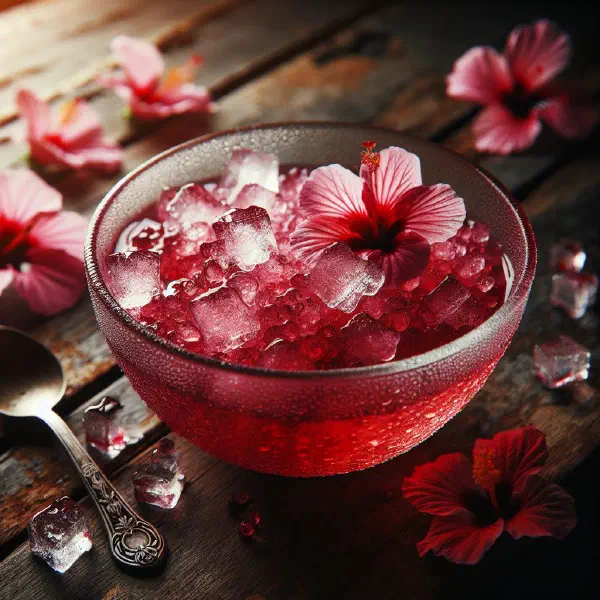
Egyptian hibiscus tea has a long history and is deeply rooted in many African and Arab cultures. In Egypt it has traditionally been prized both as a refreshing drink and for its perceived health benefits. Hibiscus is used for tea and to make syrups and other beverages, including the chilled Hibiscus Sherbet. It has even served as a medicinal remedy through the ages, a sign of its lasting importance within Egyptian cuisine.
More recipe ideas
Summary: Hibiscus Tea
Egyptian hibiscus tea is a refreshing and wholesome drink that is ideal for hot days. It is wonderfully simple to make, and with just a handful of ingredients you can achieve a delicious result. Experiment with different flavours and add-ins to create your perfect cup. Enjoy the wealth of tastes and the health benefits this traditional Egyptian speciality has to offer.