National Dish Egypt: Hummus with Lamb (Recipe)
In this article
Bring the warmth of the Middle East straight to your table with Hummus with Lamb, a dish that marries the silky smoothness of chickpea purée with tender, well-seasoned meat. It is the kind of food that feels generous and welcoming, which is exactly why it so often appears at celebrations and family gatherings across Egypt. Easy to put together yet impressive to serve, it makes the perfect centrepiece for sharing.
About Hummus with Lamb
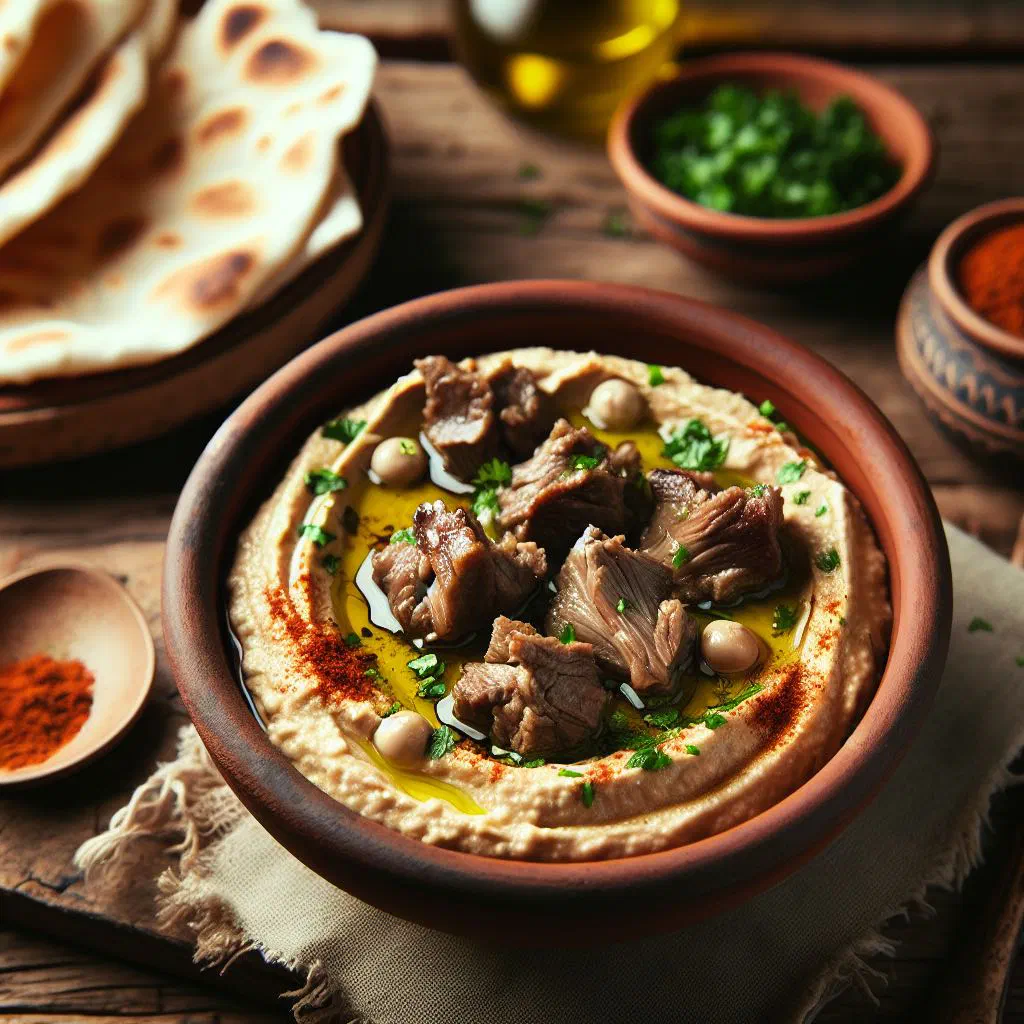
Hummus with Lamb is an exquisite dish that brings together long-standing tradition and real culinary skill. At its base sits hummus, a creamy paste made from chickpeas, here crowned with tender, spiced lamb. The combination delivers the unmistakable flavours of the Middle East and creates a memorable eating experience for your guests. Ideal for festive occasions or relaxed family meals, the dish is frequently served in Egypt as a gesture of warm hospitality.
Ingredients (serves 1–2)
- 200 g chickpeas (cooked or tinned)
- 50 g tahini (sesame paste)
- 2 tablespoons olive oil
- 1 clove garlic
- 1 lemon (juice)
- 200 g lamb (such as leg or rump)
- 1 teaspoon cumin
- Salt and pepper to taste
- Fresh herbs (such as parsley or coriander), to garnish
Shopping for the ingredients
When shopping for the ingredients for hummus with lamb, it pays to keep an eye on quality. Fresh chickpeas and a good olive oil make all the difference to the flavour of the hummus. The lamb should come from a trusted source so that it turns out tender and full of flavour. It can be well worth speaking to a local butcher to secure the best cut of meat, much as you would when shopping for Lamb Chops.
Preparing the dish
Preparing the dish is easier than you might expect. First, rinse the chickpeas well and tip them into a bowl. The lamb should be cut into small pieces so that it cooks quickly and the spices can be distributed evenly. Preparation is the key to success, so set out all your ingredients before you start cooking.
Step-by-step instructions
- Put the chickpeas, tahini, olive oil, garlic, lemon juice, salt and pepper into a food processor and blend to a creamy paste.
- Season the lamb with cumin, salt and pepper, then fry it in a pan with a little olive oil until tender and cooked through.
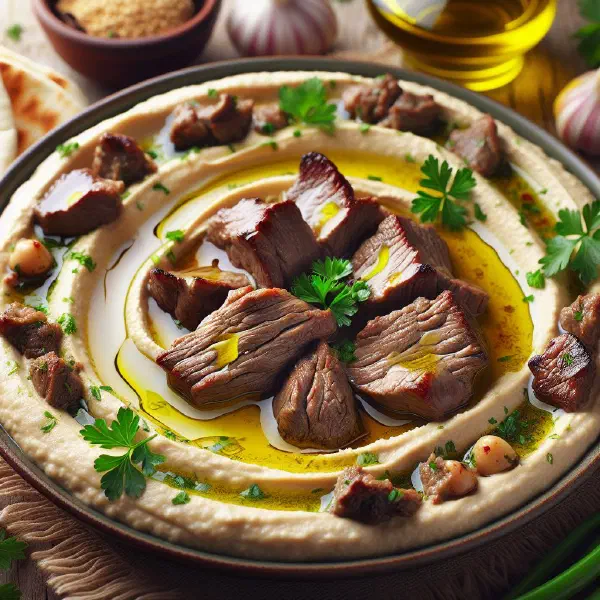
- Spread the hummus over a plate and pile the cooked lamb in the centre.
- Garnish with fresh herbs to taste and serve.
Gluten-free / lactose-free version
Hummus with lamb is naturally gluten-free and lactose-free, since its main components are chickpeas and lamb. That makes it a great option for anyone with a gluten intolerance or who is lactose intolerant. Do check all the products you use, especially the tahini and the spices, for any hidden gluten-containing additives. That way you can be sure the dish is suitable for every guest at the table.
Tips for vegans and vegetarians
For vegans and vegetarians, hummus with lamb is easy to adapt. Simply swap the lamb for grilled vegetables or sautéed mushrooms to keep that hearty quality. Another lovely alternative is roasted cauliflower, which makes a wonderful partner for the hummus. The result is a balanced, flavourful dish that will pleasure everyone present, and it sits comfortably alongside classics like Falafel.
More tips and tricks
To coax even more flavour into your dish, you can dress up the hummus before serving. A drizzle of olive oil, a scattering of toasted pine nuts or a dusting of paprika can all lend the hummus an interesting edge. Playing with different fresh herbs can broaden the taste experience considerably too.
Adapting the recipe to your taste
You can give your dish even more personality by tailoring the ingredients to your own taste. If you like a bit of heat, add a little cayenne pepper or chilli. You might also vary the number of garlic cloves to fine-tune the hummus exactly the way you want it. A willingness to experiment is what helps you reach the perfect result.
Ingredient substitutions
If you do not have certain ingredients to hand, there are plenty of alternatives. Instead of tahini you can use peanut butter or sunflower seed butter. If you are out of fresh lemon juice, a splash of vinegar can bring a similar tangy note. Experiment with what you have available and discover your own combinations, just as you would when making a fresh Tabbouleh.
Drink pairing ideas
Several drinks pair beautifully with hummus with lamb. A cool, aromatic sparkling water complements the flavours perfectly, while a glass of regional red wine rounds the dish off elegantly. For an alcohol-free choice, freshly pressed pomegranate juice offers a sweet-sour contrast that works a treat. Think about which combinations best suit your own taste.
Serving and presentation ideas
When it comes to presentation, hummus with lamb gives you free rein. Serve the dish on a large, shallow plate and shape the hummus into a small mound. Decorative herbs such as fresh parsley or mint can lift the look of the dish, and a basket of warm flatbread or a little Baba Ghanoush on the side completes the spread. Arrange the lamb topping attractively to catch the eye straight away.
A bit of history
Hummus has a long history that reaches across several cultures of the Middle East. This delicious paste is thought to have been eaten for thousands of years and holds a honoured place in both Arabic cooking and Jewish tradition. Pairing it with lamb is popular not only in Egypt but throughout the region, reflecting its many culinary influences. The dish is a part of the rich culinary heritage of Egyptian cuisine that is well worth discovering.
More recipe ideas
Summary: Hummus with Lamb
In short, hummus with lamb is a hearty and delicious dish that brings the flavours of the Middle East into your home. Whether for festive occasions or everyday meals, it offers a perfect balance of taste and texture. Thanks to its simple preparation and the scope for adaptation, you can shape it entirely to your liking. Let it inspire you and enjoy the wonderful variety of Egyptian cooking.