National Dish Egypt: Kahk el Eid (Recipe)
In this article
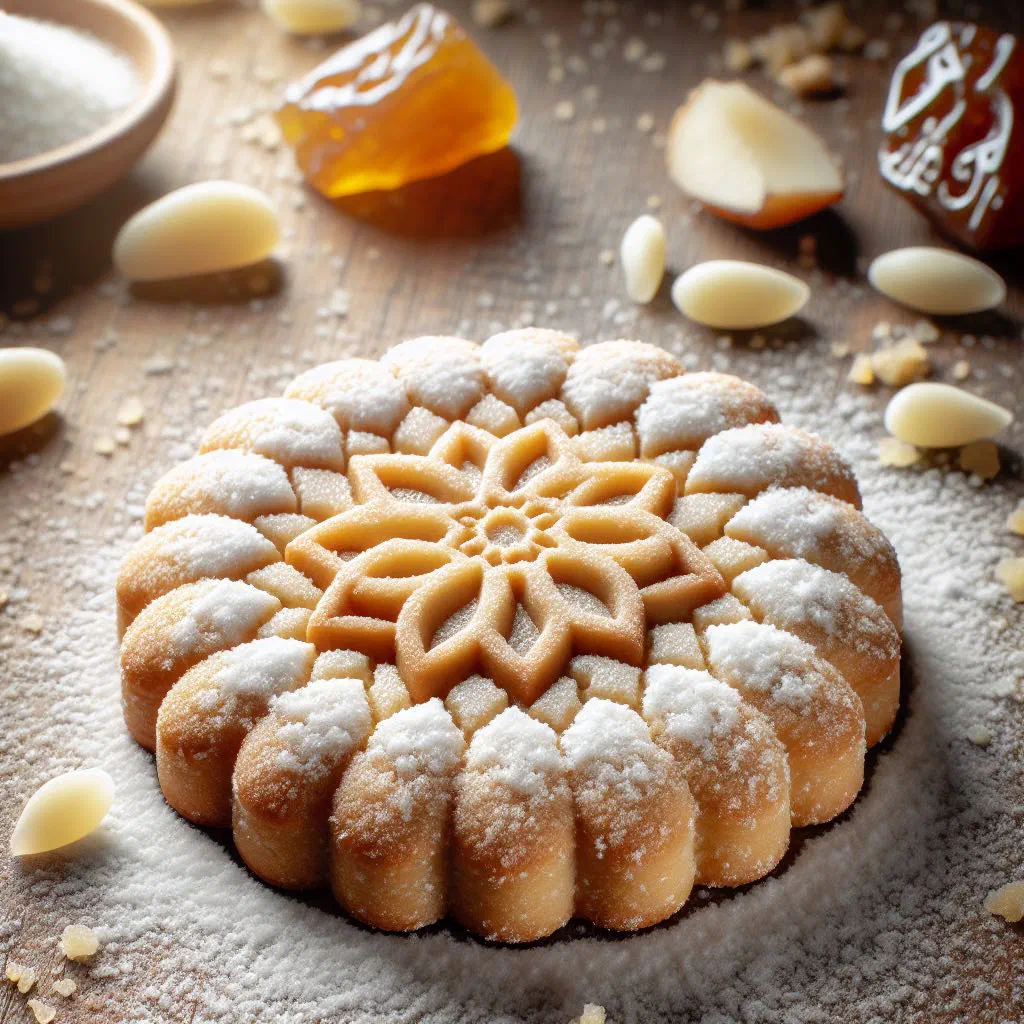
Discover Kahk el Eid, the festive Egyptian shortbread cookie that fills homes with warmth and celebration during Eid. These delicate, melt-in-the-mouth treats hide a generous filling of chopped nuts or sweet dates beneath a snowy dusting of icing sugar. Baking them is a much-loved ritual that brings families and friends together around the kitchen table. Bring a little of that festive Egyptian spirit into your own home with this simple recipe.
About Kahk el Eid
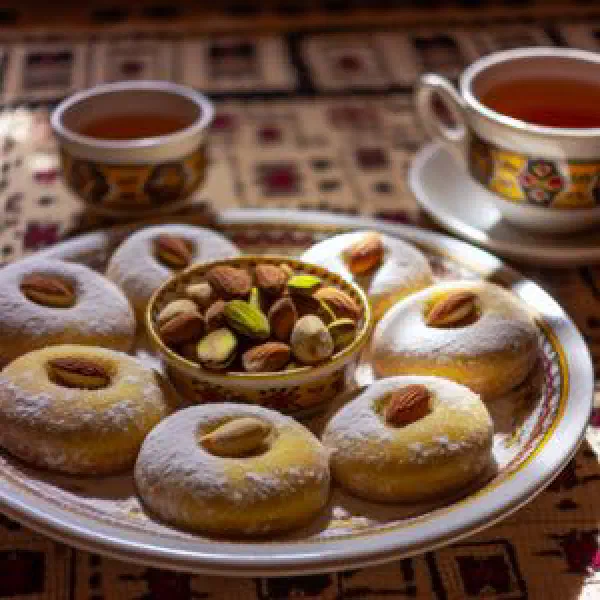
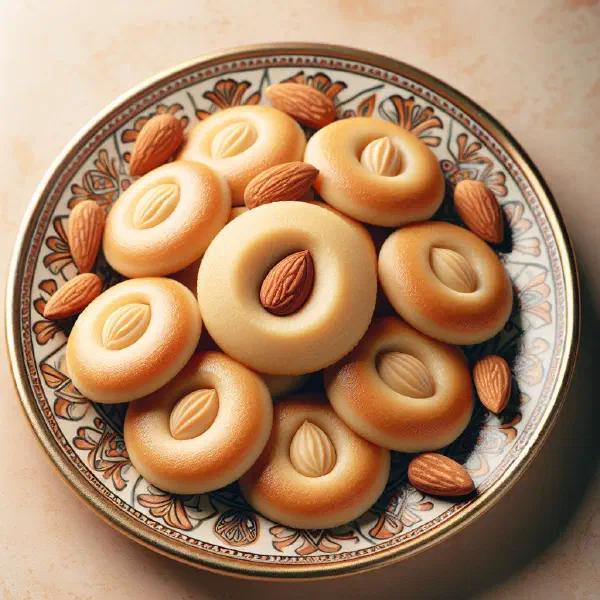
Kahk el Eid is a traditional Egyptian pastry enjoyed especially during Eid al-Fitr and Eid al-Adha. These delicious little cookies are made from a fine, buttery dough filled with chopped nuts, raisins or sweetened almonds, then finished with a generous dusting of icing sugar. Preparing them is a cherished part of Egyptian culture, often gathering family and friends in the kitchen to make the delicate treat together. Kahk el Eid marks the end of fasting and brings joy and a sense of community to every celebration.
Ingredients (serves 1–2)
- 200 g plain flour
- 100 g butter or margarine
- 50 g icing sugar
- 2–3 tablespoons water or milk
- 1 teaspoon baking powder
- 1 teaspoon vanilla sugar
- Chopped nuts (walnuts or almonds), to taste
- Icing sugar, for dusting
Shopping for the ingredients
When shopping for the ingredients for kahk el eid, it is worth paying attention to the quality of each product. The main component, the flour, should be fresh and of good quality to give the dough its ideal texture. The butter or margarine also adds a great deal to the flavour of the cookies, so it pays to choose organic or a trusted brand. The nuts can vary according to preference, with almonds or walnuts being among the most popular choices.
Preparing the dish
Preparing kahk el eid mainly comes down to selecting and combining the ingredients. First, mix all the dry ingredients, flour, icing sugar, baking powder and vanilla sugar, together well. Next, melt the butter and let it cool slightly before combining it with the flour mixture. Take care not to overwork the mixture so the cookies keep their delicate, tender texture.
Step-by-step instructions
- Preheat the oven to 180°C and line a baking tray with baking paper.
- In a bowl, mix the flour, icing sugar, baking powder and vanilla sugar together well.
- Add the melted butter and combine everything into a smooth, even dough.
- Shape the dough into small balls and press each one gently flat.
- Fill the centre with a little chopped nuts or a filling of your choice.
- Bake the cookies for about 15–20 minutes, or until golden.
- Dust the cooled cookies generously with icing sugar.
Gluten-free / lactose-free version
For a gluten-free version of kahk el eid, you can use a gluten-free flour blend made specifically for baking. This helps the dough achieve the same consistency as the traditional version. For a lactose-free variation, use margarine or a plant-based butter alternative made from coconut or soya. Be sure to adjust the filling accordingly too, so the whole cookie stays lactose-free.
Tips for vegans and vegetarians
If you would like to make kahk el eid vegan, you can replace the butter with plant-based alternatives that contain no animal products. Use a plant milk or simply water in the dough instead of dairy. The filling can be enriched with ground nuts, dried fruit or even a peanut-based chocolate spread. These adjustments keep the pastry just as delicious while making it suitable for vegan guests, much like the treats in Egyptian cuisine that adapt so easily.
More tips and tricks
An important tip when baking kahk el eid is not to knead the dough for too long, as this can affect the texture. After kneading, let the dough rest for around 30 minutes so the flavours can develop. Another trick is to avoid baking the cookies too dark, otherwise they lose flavour and turn dry. Adding spices such as cinnamon or cardamom can give the cookies a lovely extra dimension.
Adapting the recipe to your taste
The wonderful thing about kahk el eid is how easily you can adapt the recipe to your own preferences. Do you like things sweeter? Simply add a little more sugar, or finish the cookies with a glaze for extra sweetness. If you enjoy experimenting, try different nuts or dried fruits in the filling to discover new flavour combinations. Be creative and make your own version of this traditional pastry, in the same spirit as a Maamoul made just the way you like it.
Ingredient substitutions
In some regions it can be tricky to find certain ingredients for kahk el eid. If you have no baking powder to hand, you can use bicarbonate of soda instead, though it needs an acidic ingredient such as lemon juice to achieve the same effect. If you have no nuts available, you can use desiccated coconut or other dried fruit instead. This makes for an interesting and tasty variation in the cookie, similar to the kind of twist you might find in Coconut Date Balls.
Drink pairing ideas
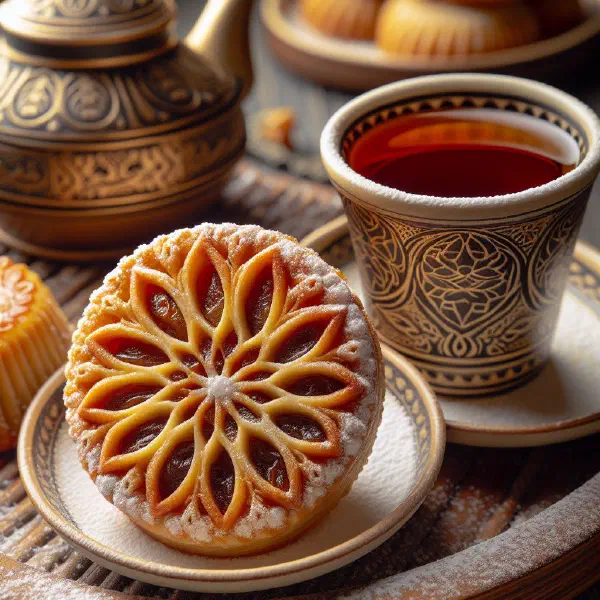
Kahk el eid pairs beautifully with a range of drinks. Traditionally these cookies are served with Egyptian black tea or mint tea, as these beverages complement the sweetness of the cookies perfectly. Another excellent choice is the Arabic coffee tradition, where strong, aromatic coffee is served, usually scented with cardamom. Try a cup of Caramelized Coffee. You could also pour a malt drink or a flavoured lemonade for a refreshing alternative.
Serving and presentation ideas
The way you present your kahk el eid cookies can make the whole experience even more special. Use a beautiful cake stand or decorative dishes to arrange the cookies attractively. A lovely coating of icing sugar makes them look particularly inviting. You might also consider garnishing the cookies with fresh herbs or edible flowers to add an extra splash of colour to the table.
A bit of history
Kahk el eid has a history stretching back to ancient Egypt. Originally these cookies were prepared to celebrate Eid, an important religious festival marking the end of the fasting month of Ramadan. Traditionally they are baked in large batches and shared with relatives and friends, nurturing a strong sense of community. This pastry is a culinary highlight and a symbol of the culture and tradition of Egypt, sitting proudly alongside classics like Basbousa.
More recipe ideas
Summary: Kahk el Eid
Kahk el eid is more than just a pastry; it is a symbol of celebration and community. Whether for Eid or another special occasion, these cookies bring joy and pleasure to any table. With a wealth of ways to adapt them and a host of delicious fillings to choose from, it is a truly versatile recipe. Let tradition inspire you and enjoy this good pastry with friends and family.