National Dish Egypt: Kahk (Recipe)
In this article
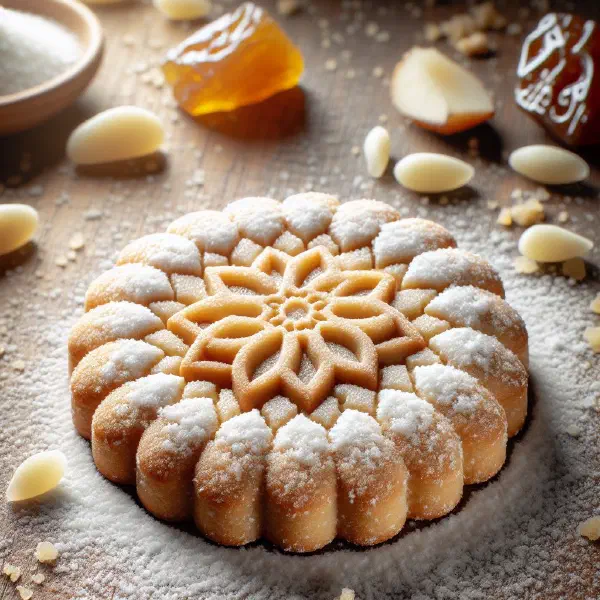
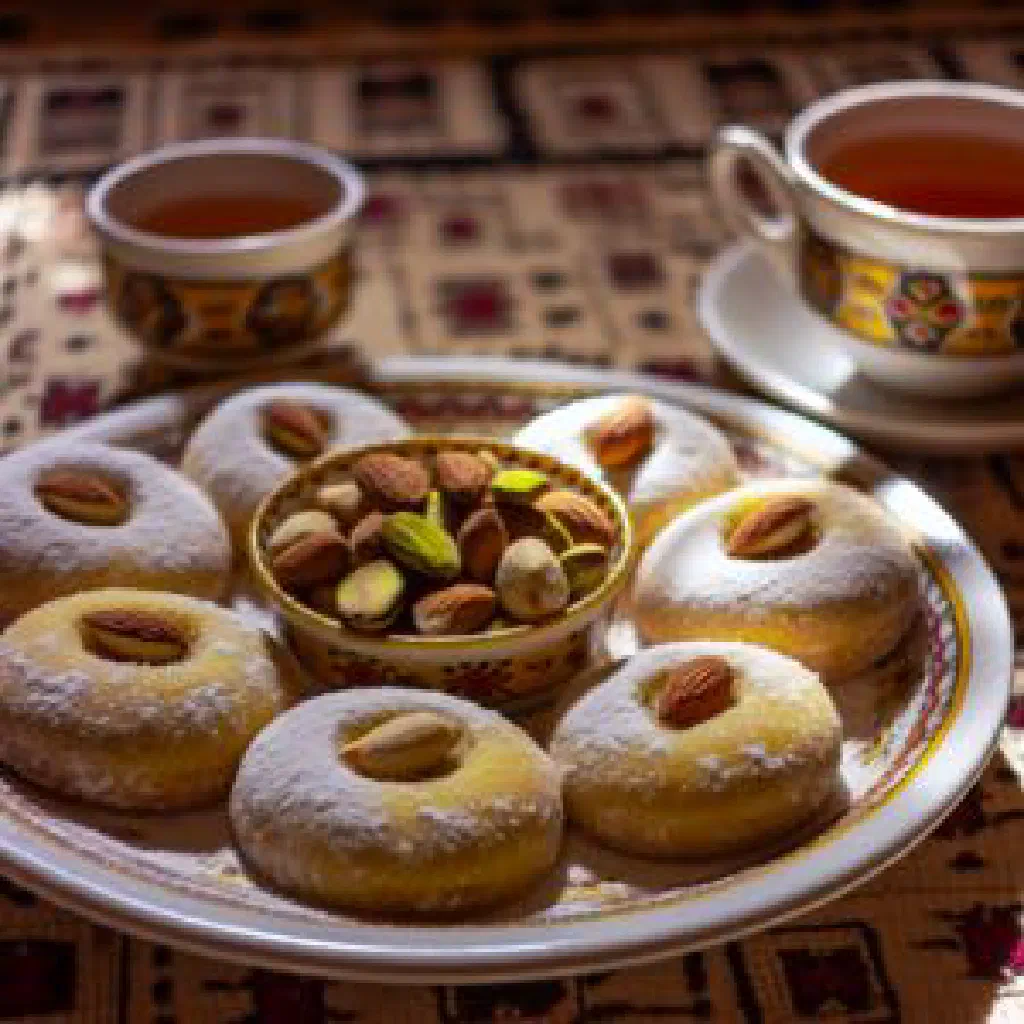
Discover Kahk, the buttery festive cookie that fills Egyptian homes with joy at celebration time. These delicate, melt-in-the-mouth pastries are a fixture of Eid al-Fitr, served alongside strong coffee and shared with family and friends. Filled with nuts, dates or simply dusted with powdered sugar, kahk carries centuries of tradition in every bite. Bring a taste of Egypt’s celebrations into your own kitchen.
About Kahk
Kahk is a traditional Egyptian pastry often served during festive occasions, above all during Eid al-Fitr. More than just a sweet treat, it is a symbol of celebration that reflects the rich culture of Egypt. Kahk comes in many variations and can be prepared with all sorts of fillings and flavourings, the most common being almonds, walnuts and figs. The pastry has a tender, buttery texture that makes every mouthful a special pleasure.
Ingredients (serves 1–2)
- 250 g plain flour
- 100 g butter, softened
- 50 g icing sugar
- 1 tsp vanilla sugar
- 50 ml water or milk
- A pinch of salt
- Optional: nuts or dried fruit for the filling
Shopping for the ingredients
For the perfect batch of kahk, it is important to choose high-quality ingredients. Visit your local market or supermarket to pick up everything fresh. Make sure the butter is well softened and the flour is fresh, as both make a real difference to the final bake. When buying nuts or dried fruit for the filling, look for the freshest produce you can find, since this has a noticeable effect on the flavour.
Preparing the dish
Before you start baking, gather all the equipment you will need, including a large mixing bowl, a baking tray and some baking paper. Preheat the oven to 180°C so it is at the right temperature once the kahk are ready to go in. Measure your ingredients carefully and have everything to hand so the process runs smoothly. Good preparation is the key to a successful result.
Step-by-step instructions
- In a bowl, beat the softened butter with the icing sugar and vanilla sugar until light and creamy.
- Gradually add the flour, mixing until you have a smooth, even dough.
- Slowly pour in the water or milk until the dough reaches a soft, pliable consistency.
- Shape small balls from the dough and flatten them gently.
- Place your chosen filling in the centre and re-shape each one into a ball.
- Arrange the kahk on a baking tray lined with baking paper and bake for about 15–20 minutes.
- Let the kahk cool a little, then dust them generously with icing sugar.
Gluten-free / lactose-free version
Kahk can also be made gluten-free by using a gluten-free flour. The result may vary depending on the type of flour, so it is worth choosing a good-quality blend. For a lactose-free version, replace the butter with plant-based margarine or coconut oil. These simple swaps mean everyone can enjoy this delicious treat, whatever their dietary needs.
Tips for vegans and vegetarians
Vegans can prepare kahk easily by swapping the butter for vegan margarine and the water for plant-based milk. There are also plant-based egg alternatives, such as apple purée or flaxseed, that help bind the dough. It is worth checking your fillings too, to make sure they contain no animal products. That way vegans can share in the tradition and join in the festivities.
More tips and tricks
For the best results, it helps to chill the dough for around 30 minutes before shaping. This makes it much easier to work with and gives you a neater shape. Experiment with different fillings to let your creativity run free and discover new flavour combinations. These little pastries also keep beautifully when made ahead, making them ideal for celebrations and gatherings.
Adapting the recipe to your taste
Kahk is a wonderfully adaptable recipe that welcomes a whole range of flavours and fillings. If you fancy bite-sized versions, adjust the size of the balls, or add warming spices such as cinnamon or cardamom. Do not hesitate to experiment with the ingredients to find the perfect combination for your own taste. In this way kahk becomes a unique experience that suits all kinds of occasions, much like the festive Maamoul it is often baked alongside.
Ingredient substitutions
If you are not keen on nuts, or have an allergy, you can use dried fruit such as dates or apricots for the filling instead. These bring a lovely sweetness that pairs perfectly with the dough, just as they do in soft Date Cookies. Using honey in place of sugar can also make for an interesting flavour twist. Take care to adjust the quantities, though, so you do not upset the consistency of the dough.
Drink pairing ideas
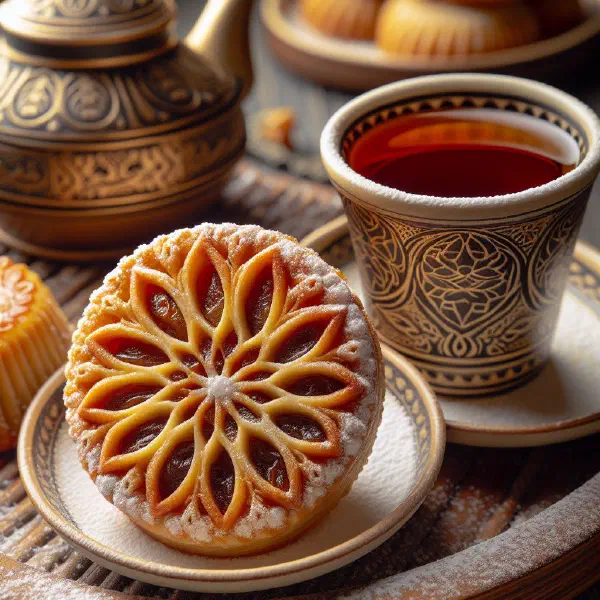
Kahk goes wonderfully with a range of drinks that round out the pleasure of the pastry. Traditionally it is served with Egyptian coffee or black tea, a pairing that never fails. For a more modern touch, try fruity teas or a homemade lemonade. A glass of refreshing Hibiscus Tea brings a pleasant balance to the sweet flavours of the kahk.
Serving and presentation ideas
The presentation of kahk can be lifted considerably with pretty plates or trays. Arrange the pastries on a raised serving stand or in a decorative box for a real sense of occasion. A generous dusting of icing sugar just before serving gives the whole platter a festive finish. Fresh mint leaves or edible flowers add a final flourish, giving your guests an inviting spread to admire.
A bit of history
Kahk has a long history stretching all the way back to the time of the pharaohs. It is believed that ancient Egyptians already baked a form of filled pastry much like it. Over the centuries kahk has grown ever more popular and become a symbol of festive occasions within Egyptian culture. It plays an important part in Egyptian cuisine, especially around celebrations, and is shared with joy and a great sense of togetherness, a sweet companion to classics like Basbousa.
More recipe ideas
Summary: Kahk
Kahk is a delicious Egyptian classic that embodies traditional flavours and is a wonderful example of the country’s festive culture. The recipe is easy to adapt to personal preference, and the pastries make a lovely companion to all sorts of drinks. Whether filled with something sweet or kept in the traditional style, kahk is a must in any Egyptian kitchen. Give it a try and bring a piece of Egyptian tradition into your own home.