National Dish Egypt: Kawaree (Recipe)
In this article
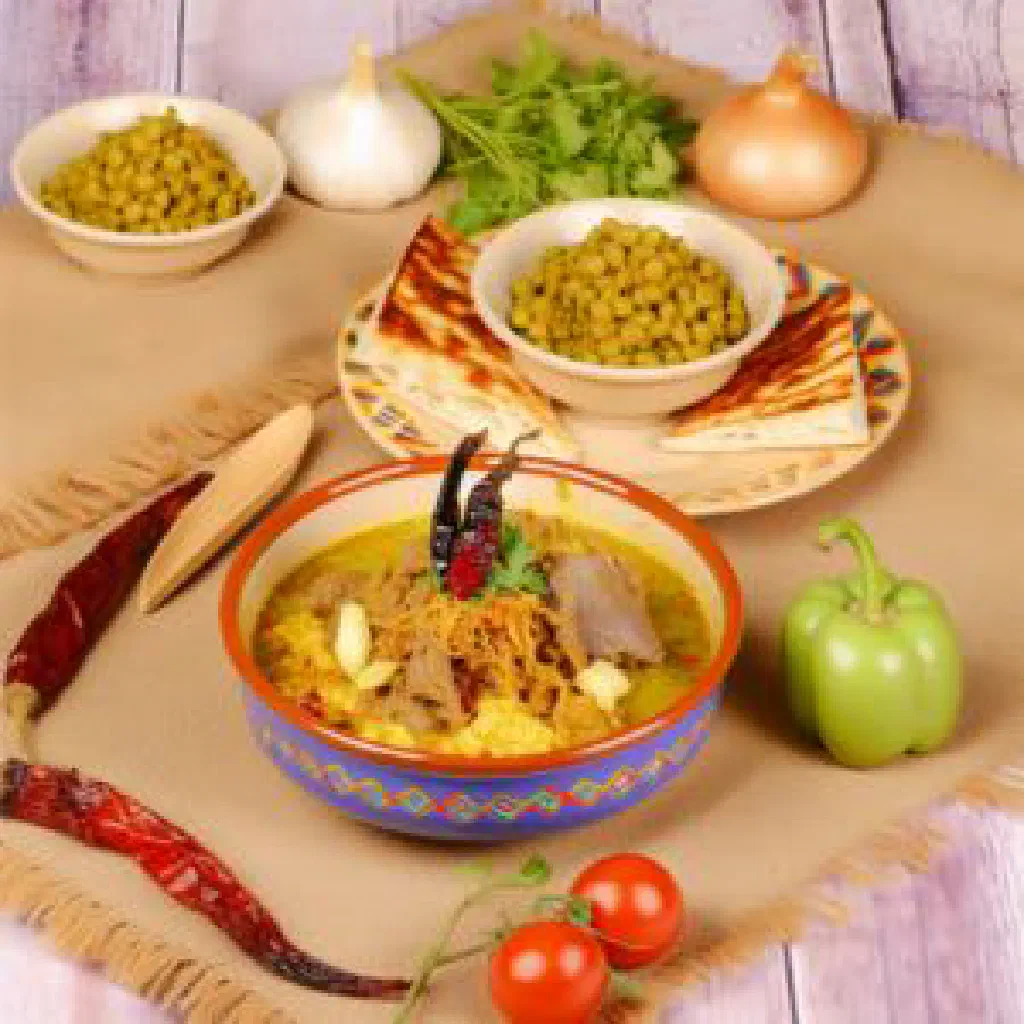
Meet Kawaree, a beloved Egyptian classic built around tender, slow-cooked lamb steeped in warm, fragrant spices. This is a dish that rewards patience: the meat simmers gently until it falls apart in a rich, golden broth scented with cumin, coriander and cinnamon. More than just a meal, it is a taste of Egyptian hospitality and celebration, and a wonderful way to bring a little of that warmth into your own kitchen.
About Kawaree
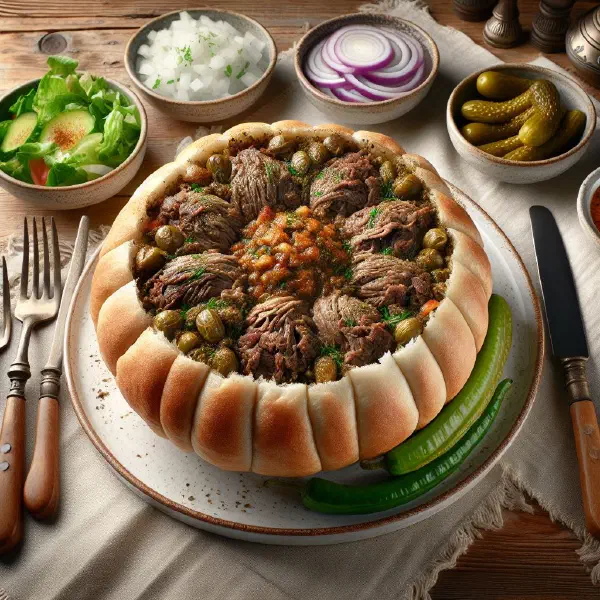
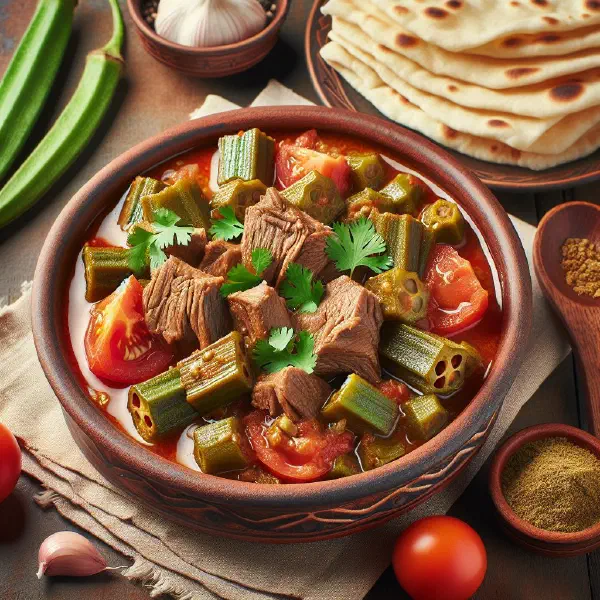
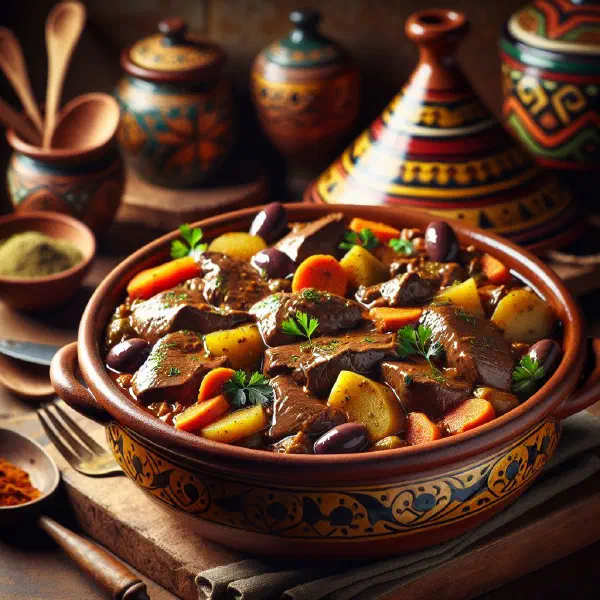
Kawaree is a treasured Egyptian dish, prized for its meltingly tender meat and its deeply aromatic seasoning. At its heart is slow-cooked lamb, gently simmered and served in a rich, flavourful broth. Preparing it is as much a cultural pleasure as a culinary one, and it captures the spirit of Egyptian cooking beautifully. When you make Kawaree, you bring a piece of Egyptian culture into your home and create a truly memorable eating experience.
Ingredients (serves 1–2)
- 500 g lamb (on the bone)
- 1 onion, roughly chopped
- 2 cloves garlic, crushed
- 4 cups water or stock
- 2 tsp cumin
- 1 tsp coriander
- 1 tsp cinnamon
- Salt and pepper, to taste
- Fresh parsley, to garnish
Shopping for the ingredients
Before you start cooking Kawaree, it is worth gathering the right ingredients. Visit a local market or a well-stocked grocer to find fresh lamb along with aromatic spices such as cumin and coriander. Pay attention to the quality of the meat, as tender lamb makes a real difference to the final flavour. Using fresh ingredients is key to bringing out the full depth of this dish, the same care that goes into a hearty Fatta with Lamb.
Preparing the dish
Preparing Kawaree is simple and enjoyable. Start by cutting the lamb into even pieces and rinsing them well. Next, get your spices ready by measuring them into small bowls so the cooking process runs smoothly. This little bit of groundwork helps you work quickly and efficiently once the cooking begins, leaving you free to focus on the rich aromas of the dish as they develop.
Step-by-step instructions
- In a large pot, brown the lamb in a little oil until golden.
- Add the onion and garlic and fry everything together for a few minutes.
- Pour in the water or stock and bring to the boil.
- Add the spices (cumin, coriander, cinnamon, salt and pepper) and reduce the heat.
- Cover the pot and let the dish simmer for at least 1.5 to 2 hours, until the meat is tender.
- Serve Kawaree hot, garnished with fresh parsley.
Gluten-free / lactose-free version
One great advantage of Kawaree is that the recipe is naturally gluten-free and lactose-free. When choosing your ingredients, take care to avoid any hidden sources of gluten. Some stocks, for example, may contain gluten, so read the labels carefully. This makes the dish ideal for anyone with special dietary needs, without any compromise on flavour.
Tips for vegans and vegetarians
For vegans and vegetarians, there are easy ways to enjoy a plant-based version of Kawaree. Instead of lamb, you might use jackfruit, tofu or seitan to recreate a similar texture. The spices and the broth can stay exactly the same to keep that characteristic flavour.
More tips and tricks
A few helpful tips can take your Kawaree to the next level. Try marinating the lamb overnight in a spice mix to deepen the flavours. The slow cooking can also be made even easier with a slow cooker or a pressure cooker. And don’t forget to taste the dish before serving and adjust the seasoning to your liking, so you reach exactly the right balance of flavour.
Adapting the recipe to your taste
Kawaree is a flexible dish that is easy to tailor to your own preferences. Add extra vegetables such as carrots or celery to boost both the nutrition and the flavour. You can also experiment with different spices, thyme or rosemary, for instance, lend an interesting note.
Ingredient substitutions
Don’t worry if you don’t have every ingredient to hand. There are plenty of alternatives. Instead of lamb, you could use beef or even chicken, though the cooking times will vary. For a vegan version, the lamb can be swapped for chickpeas or lentils, both of which make an excellent source of protein, much as they do in a comforting Lentil Soup.
Drink pairing ideas
When serving Kawaree, the right drinks are essential to round off the experience. A fresh mint tea is a traditional Egyptian choice and pairs beautifully with the dish’s spiced aromas. For an alcohol-free option, try a Pomegranate Juice or a refreshing Hibiscus Tea to cleanse the palate. If you prefer something alcoholic, a light red wine works well to accompany the savoury flavours of Kawaree.
Serving and presentation ideas
Presentation can lift the whole Kawaree experience considerably. Serve the dish in a lovely deep bowl and garnish it with fresh parsley or even some toasted nuts for an extra bit of crunch. Consider colourful vegetables on the side too, to give the plate more visual appeal. An attractive presentation makes the dish more appetising and shows off your cooking skills.
A bit of history
Kawaree has its roots in Egyptian history and is a symbol of festivity and togetherness. This dish is often prepared for special occasions, feasts and family gatherings. Traditionally, Kawaree is served with a sense of hospitality, which holds great importance in Egyptian culture. Discover the history and customs woven into this wonderful dish, and enjoy being part of a culinary tradition that runs through all of Egyptian cuisine.
More recipe ideas
Summary: Kawaree
Kawaree is a delicious dish and a gateway to Egyptian culture. Preparing it brings wonderful aromas and a sense of celebration into your kitchen. With simple ingredients, a straightforward recipe and the freedom to adapt it to your own taste, you and your guests are sure to be pleased. Give it a try and discover the secrets of Egyptian cooking.