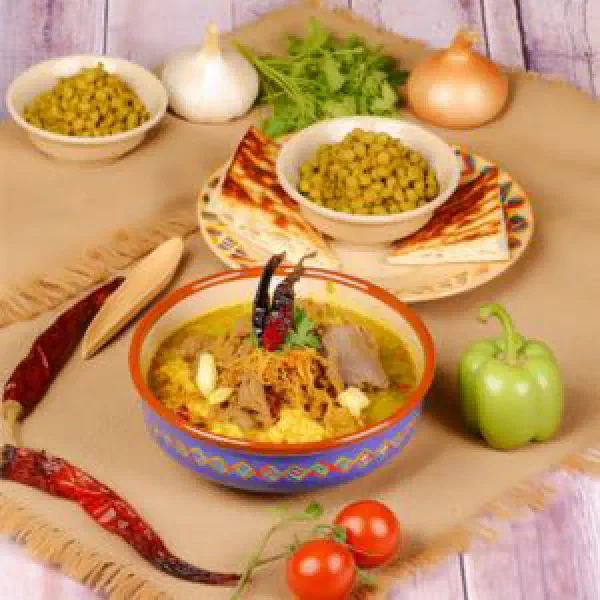
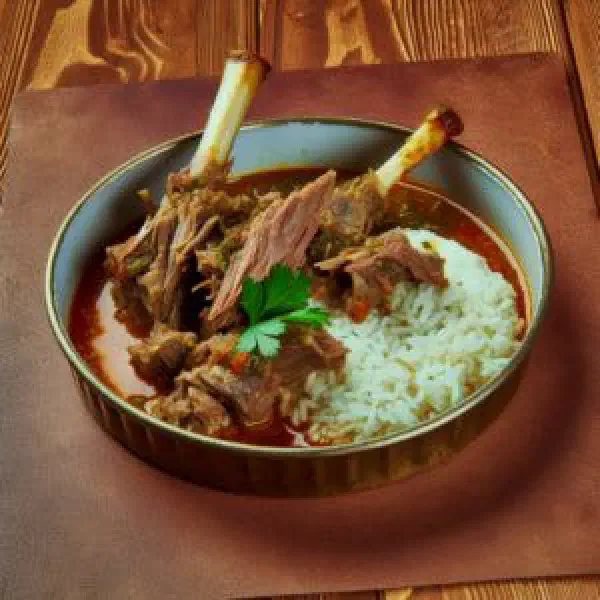
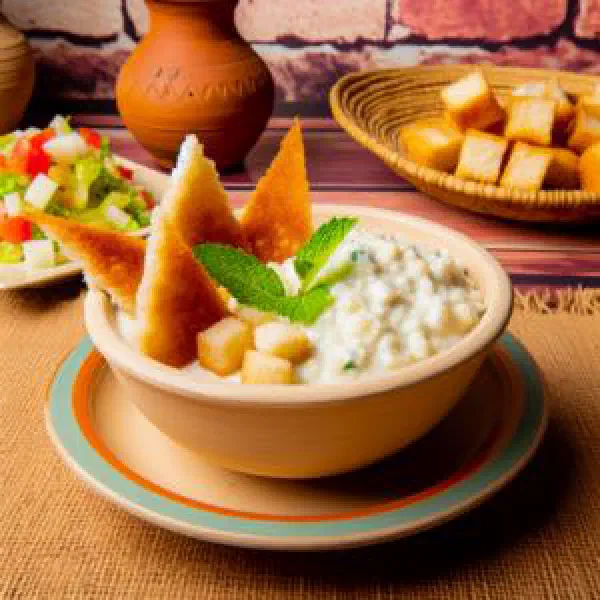
National Dish Egypt: Kishk (Recipe)

In this article
Meet Kishk, a soul-warming Egyptian stew that turns humble pantry staples into something genuinely special. Built around tangy fermented wheat simmered with creamy yoghurt, tender meat and fresh vegetables, it is the kind of hearty, nourishing bowl that has graced Egyptian tables for generations. Gently spiced and slow-cooked until rich, it carries the story of Egypt in every spoonful, and it is far easier to make at home than you might expect.
About Kishk
Kishk is a traditional Egyptian dish prized for its distinctive, lightly sour flavour and its comforting, restorative character. At its heart sits fermented wheat, which lends the stew a depth you simply cannot get any other way. Combined with yoghurt, meat and fresh vegetables, it becomes a hearty and nourishing meal that satisfies on the coldest of days. More than just a recipe, Kishk tells the tale of Egyptian home cooking through its ingredients and its time-honoured methods of preparation.
Ingredients (serves 1–2)
- 100 g fermented wheat
- 250 ml yoghurt (or a plant-based alternative)
- 200 g meat (such as chicken or beef)
- 1 onion, diced
- 2 cloves garlic, chopped
- 2 carrots, diced
- 1 teaspoon cumin
- 1 teaspoon coriander
- Salt and pepper, to taste
- Olive oil, for frying
Shopping for the ingredients
To prepare Kishk, it is worth tracking down the right ingredients first. Most supermarkets or Middle Eastern grocers will stock what you need. Fermented wheat and a good-quality yoghurt are the two components that matter most for the dish’s signature taste. Choose fresh vegetables and good cuts of meat to deepen the overall flavour, much as you would for a classic Lentil Soup.
Preparing the dish
Before you start cooking Kishk, wash and prepare all of your ingredients thoroughly. The fermented wheat should be well soaked so that its flavours can develop fully. Dice and chop the onions and garlic, and cut the carrots into small, even pieces. This groundwork is essential for a smooth, evenly cooked stew that comes together without fuss.
Step-by-step instructions
- Heat the olive oil in a large pan and add the onions and garlic, frying until golden.
- Add the diced meat and carrots and brown everything for around 5–7 minutes.
- Stir in the soaked fermented wheat until well combined.
- Pour in the yoghurt along with enough water to reach your desired consistency.
- Season with cumin, coriander, salt and pepper, then let it simmer for about 30–40 minutes.
Gluten-free / lactose-free version
There are simple swaps that let everyone enjoy Kishk, whatever their dietary needs. For a gluten-free version, replace the fermented wheat with grains such as quinoa or rice, which give a similarly satisfying texture. For the yoghurt, a plant-based option made from almonds or coconut works beautifully and keeps the dish lactose-free. The character of the stew stays intact while accommodating every guest at the table.
Tips for vegans and vegetarians
Vegans and vegetarians can adapt Kishk with ease. In place of meat, reach for vegetable stock and protein-rich pulses such as lentils or chickpeas, which add a hearty texture and plenty of nourishment. Be sure to choose a yoghurt made entirely from plant-based ingredients to keep the dish fully vegan. The result is just as warming and wholesome as the original.
More tips and tricks
A few small touches can make all the difference to your Kishk. Experiment with different spices and herbs to fine-tune the flavour to your liking. Fresh parsley or coriander makes a lovely garnish that brightens the whole bowl. Above all, give the stew time, a slow, gentle simmer coaxes out the deepest, most rounded flavours.
Adapting the recipe to your taste
The versatility of Kishk means you can shape it around your own preferences. Add vegetables such as courgette or peppers for new layers of flavour, or vary the meat depending on the season and what you have to hand. Each adjustment keeps the dish’s traditional spirit while making it your own, the same flexible approach that makes Koshari such a beloved staple.
Ingredient substitutions
If certain ingredients for Kishk are hard to come by, plenty of alternatives will do the job. When fermented wheat proves elusive, couscous or other grains step in nicely. For a richer sauce, stir in some tomato purée or puréed tomatoes, which add both colour and a gentle sweetness. It pays to be creative and experiment until you land on a version that feels uniquely yours.
Drink pairing ideas
A range of drinks pairs wonderfully with a hearty bowl of Kishk. A fresh, minty tea or a glass of Egyptian hibiscus tea echoes the flavours of the dish and offers a refreshing counterpoint. A lightly sweetened iced tea with a hint of citrus works well too. If you would rather keep things simple, sparkling water with a squeeze of lemon is always a refreshing choice.
Serving and presentation ideas
Presentation has a real influence on the whole experience. Serve Kishk in deep bowls and garnish with fresh herbs and a squeeze of lemon juice for an extra lift. Laying the table with colourful, Middle Eastern-inspired tableware heightens the sense of occasion. A scattering of nuts or seeds on top adds a welcome touch of crunch to finish.
A bit of history
The roots of Kishk reach back to the ancient civilisations of Egypt, where it was valued as a nourishing, satisfying meal. Originally devised as a way to preserve grain, it evolved over the centuries into a cherished dish that remains a fixture in traditional Egyptian households. The pairing of fermented wheat and yoghurt reflects the country’s agricultural heritage and the resourcefulness of Egyptian cuisine. In every bowl, then, there is a genuine slice of Egyptian history.
More recipe ideas
Summary: Kishk
In short, Kishk is a delicious and nourishing dish that embodies both tradition and invention. With its rich, tangy flavours and warming texture, it brings a piece of Egyptian heritage to the table. Its adaptability and its wholesome character make it a versatile favourite for any occasion. Give this recipe a try and savour the many facets of Egyptian cooking in your own home.