National Dish Egypt: Lahma bilbandoora (Recipe)
In this article
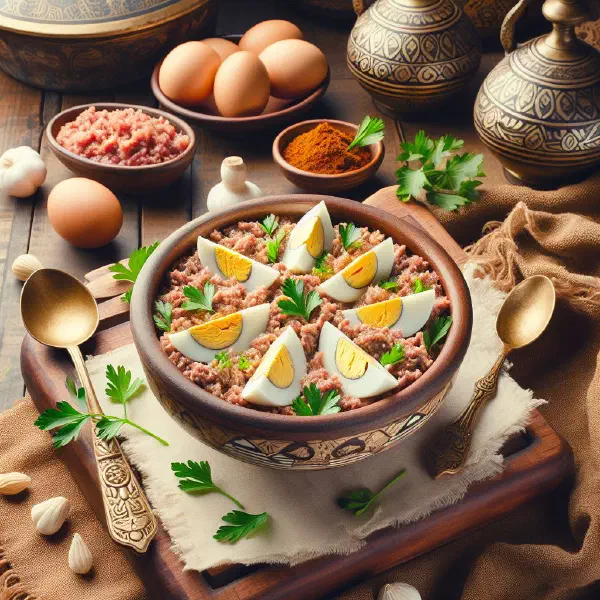
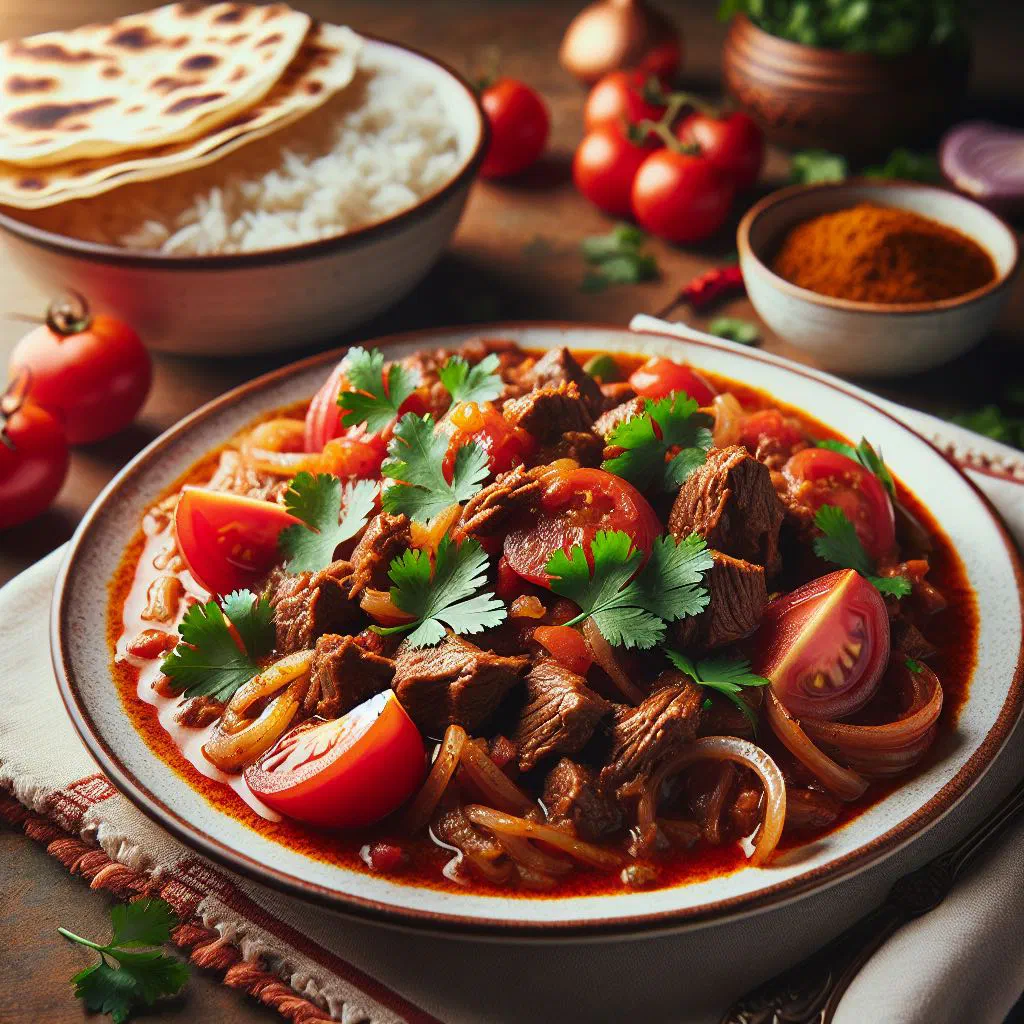
Meet Lahma bilbandoora, a heart-warming Egyptian classic that turns a handful of humble ingredients into something genuinely special. Tender minced beef is simmered with juicy tomatoes and a fragrant blend of spices until everything melds into a rich, comforting sauce. It is wonderfully simple to put together yet deeply nourishing, the kind of dish made for a relaxed family supper or a quiet evening when you want something honest and full of flavour on the table.
About Lahma bilbandoora
The dish brings together tender minced beef with fresh tomatoes and aromatic spices, creating a savoury sauce that is as satisfying as it is easy to make. It is straightforward to prepare and very nourishing, making it perfect for a cosy evening meal. It is the marriage of hearty, meaty richness and bright, fresh tomato that makes this dish so memorable, a homely staple that sits comfortably alongside other favourites of Egyptian cuisine.
Ingredients (serves 1–2)
- 200g minced beef
- 2 large tomatoes, diced
- 1 onion, finely chopped
- 2 cloves garlic, chopped
- 1 tsp cumin
- 1 tsp paprika
- 1 tbsp olive oil
- Salt and pepper, to taste
- Fresh parsley, to garnish
Shopping for the ingredients
When shopping for Lahma bilbandoora, fresh ingredients should always take centre stage. The choice of minced beef can have a decisive effect on the flavour, so it is well worth seeking out good-quality meat. Fresh tomatoes offer the best taste and a pleasing texture, while the spices are just as important for bringing the dish to life, so look for good, fragrant products here too.
Preparing the dish
Before you begin cooking Lahma bilbandoora, take a little time to prepare all your ingredients. Finely chop the onion and garlic so they distribute evenly through the dish later on. Cut the tomatoes into small dice so they cook down quickly. While you are at it, set out your pan and any cookware you will need, so the cooking itself goes smoothly and without rush.
Step-by-step instructions
- Heat the olive oil in a pan over medium heat.
- Add the chopped onion and garlic and fry until golden brown.
- Add the minced beef to the pan and brown it until cooked through.
- Stir in the diced tomatoes and the spices, then let everything simmer for around 10 minutes.
- Season with salt and pepper to taste and garnish with fresh parsley before serving.
Gluten-free / lactose-free version
The recipe for Lahma bilbandoora is naturally free from gluten and lactose, which makes it a great choice for anyone with these intolerances. When selecting your spices, just double-check that none contain hidden gluten-bearing ingredients. If you would like to serve it with a side, gluten-free bread or rice both work beautifully, a flavour-friendly way to make the dish accessible to even more people. A loaf of Aish Baladi is the classic Egyptian companion when gluten is not a concern.
Tips for vegans and vegetarians
Lahma bilbandoora is easy to adapt for vegans and vegetarians. Swap the minced beef for a mixture of lentils, chickpeas or a plant-based mince. These options offer a similar texture and are rich in nutrients. You can also vary the vegetables to suit your taste and stir in other pulses to make the dish even more wholesome and filling.
More tips and tricks
To intensify the flavours of Lahma bilbandoora further still, experiment with extra spices such as a little cinnamon or a pinch of chilli for gentle warmth. Toasting the spices at the start helps their aromas unfold to their fullest. A squeeze of lemon adds a fresh, lively note, and a finishing scatter of fresh parsley rounds the dish off and makes every mouthful more enjoyable.
Adapting the recipe to your taste
Everyone likes things a little differently, so do not hesitate to tailor Lahma bilbandoora to your own palate. You might vary the vegetables by adding peppers or some small courgettes, for instance. The spicing, too, can be adjusted to preference, why not try curry powder or Italian herbs? Experimenting with different ingredients can lead to interesting and delicious new flavour combinations.
Ingredient substitutions
If you do not have certain ingredients to hand, there are plenty of alternatives for Lahma bilbandoora. In place of minced beef you could use minced lamb or a plant-based substitute, much as you would in a hearty Bamia Bel Lahm. Instead of fresh tomatoes, passata works well and gives a more concentrated flavour base. These flexible options let you adapt the dish to whatever is available and to your own preferences.
Drink pairing ideas
To round off the experience of eating Lahma bilbandoora, choose a well-matched drink. A light, fruity white wine pairs nicely with the savoury character of the dish. Alternatively, a Lemon Mint Juice or a refreshing Pomegranate Juice make excellent companions. These non-alcoholic options offer a similar cooling effect and harmonise beautifully with the spices.
Serving and presentation ideas
The presentation of Lahma bilbandoora is almost as important as its flavour. Serve the dish in an attractive bowl and garnish with freshly chopped parsley or mint. A squeeze of lemon juice just before serving can lift both the colours and the aromas. Take care to arrange your side dishes tastefully too, so the whole plate looks as inviting as it tastes.
A bit of history
The recipe for Lahma bilbandoora comes from the rich tradition of Egyptian cookery, which has absorbed varied influences from Arabic, Mediterranean and European kitchens. Dishes built on minced meat and fresh vegetables are common across many cultures, and in Egypt they reflect the local farming and harvest. Over the years the preparation has steadily evolved, giving rise to many variations. The tradition is still cherished today, with every family adding its own little secrets and twists.
More recipe ideas
Summary: Lahma bilbandoora
In summary, Lahma bilbandoora is a simple yet delicious dish that is both hearty and healthy. Its fresh ingredients and aromatic spices make it a treat for every palate. This dish is a true enhancement to any meal. Give it a go and discover how this traditional dish can become a firm favourite in your own kitchen.