National Dish Egypt: Rokak (Recipe)
In this article
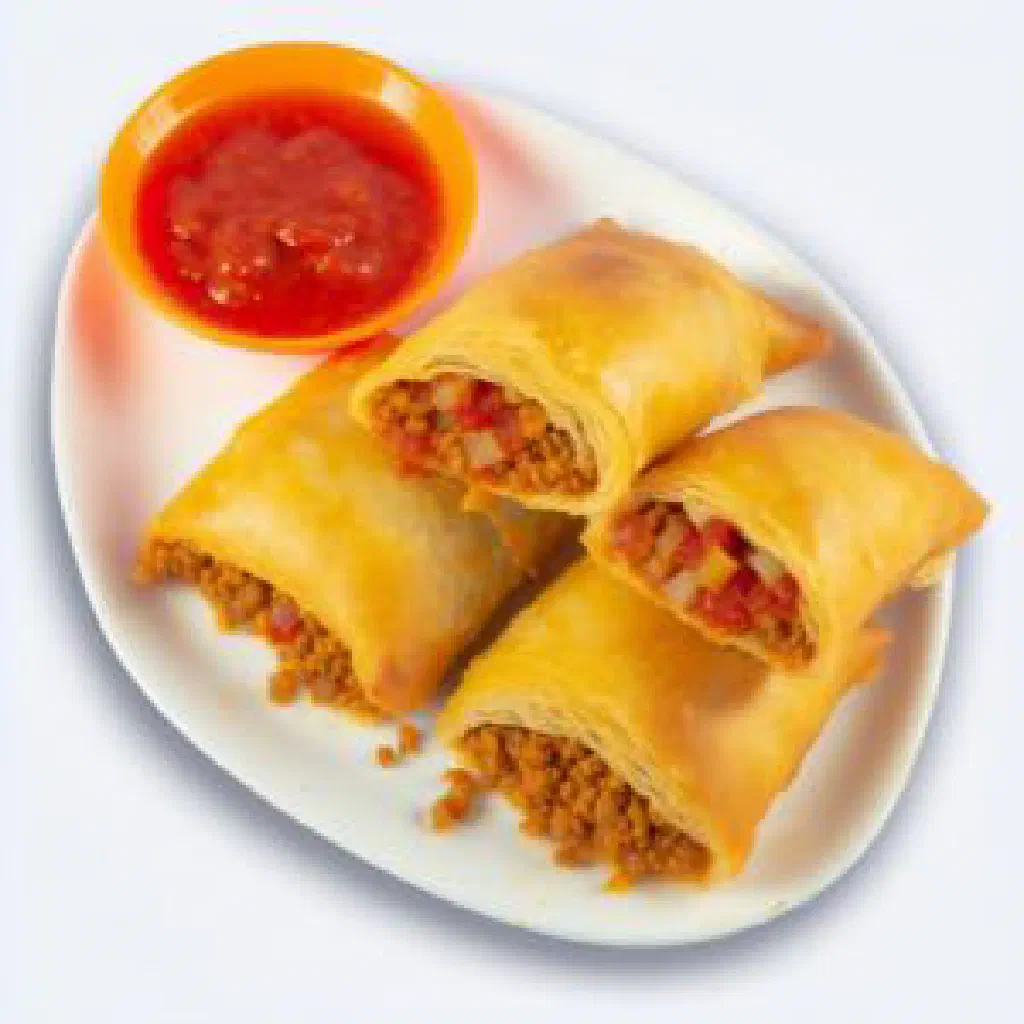
Meet Rokak, a much-loved Egyptian dish that wins people over with its flavoursome fillings and refreshingly simple preparation. Wafer-thin sheets of dough are wrapped around all manner of savoury mixtures, then baked until golden and crisp. Leafy greens or melting cheese, these little rolls capture the warmth and generosity of the Egyptian table. Serve them as a moreish snack or a satisfying main and bring a taste of Cairo to your kitchen.
About Rokak
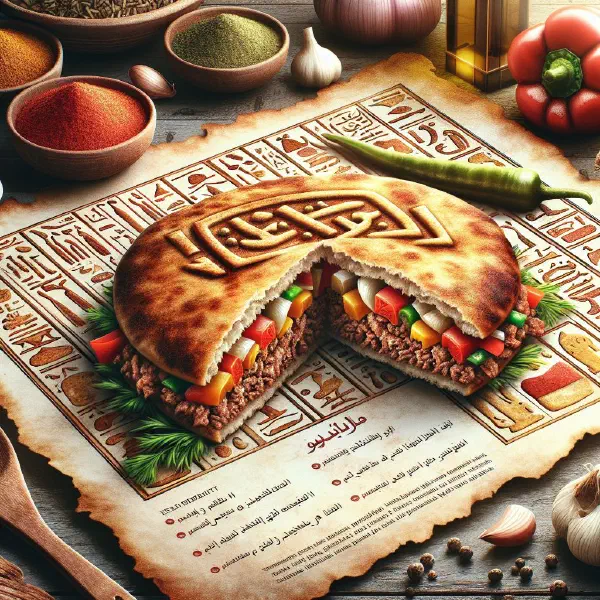
Rokak is a traditional Egyptian dish that impresses with its tasty fillings and with how easy it is to make. The pairing of thinly rolled dough with an endless choice of fillings makes it a popular snack or a hearty main course. The dish reflects the rich and varied cuisine of Egypt and offers a wonderful way to combine different flavours. Vegetables or cheese, rokak has something to suit every taste.
Ingredients (serves 1–2)
- 250g plain flour
- 125ml water
- 2 tablespoons olive oil
- 1 teaspoon salt
- Filling of your choice (e.g. spiced minced meat, spinach and feta, etc.)
- Pepper and spices to taste
Shopping for the ingredients
When shopping for rokak it is important to choose good-quality produce. Fresh vegetables and meat give the best flavour. Make sure the flour is of good quality too, as it forms the foundation of the dough. It can also help to reach for spices and herbs from the Egyptian kitchen to keep the dish authentic, and most of these are easy to find at a local market or grocer.
Preparing the dish
Preparing rokak begins with making the dough. Mix the flour with water, olive oil and salt until you have a smooth, even mass. Let the dough rest for around 30 minutes so it relaxes and becomes easier to roll out. In the meantime you can prepare and season the filling of your choice, intensifying the aromas so the finished rolls are full of flavour.
Step-by-step instructions
- Roll out the dough: roll the dough out thinly on a floured surface.
- Add the filling: spread the prepared filling evenly across the dough.
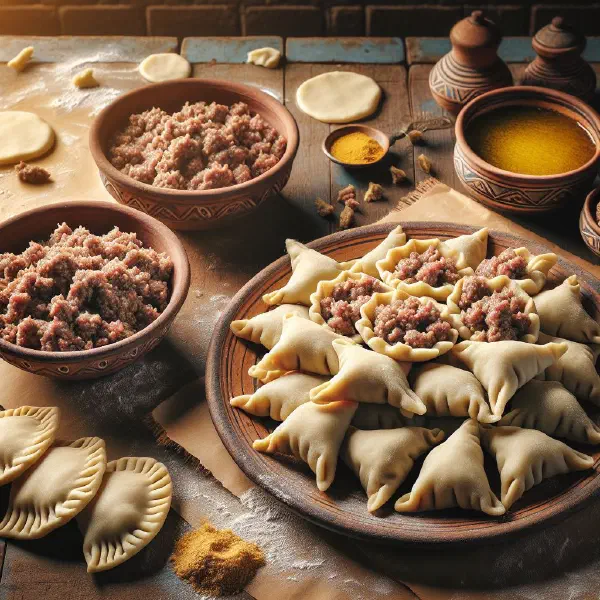
- Form the rolls: carefully roll up the dough and cut it into even pieces.
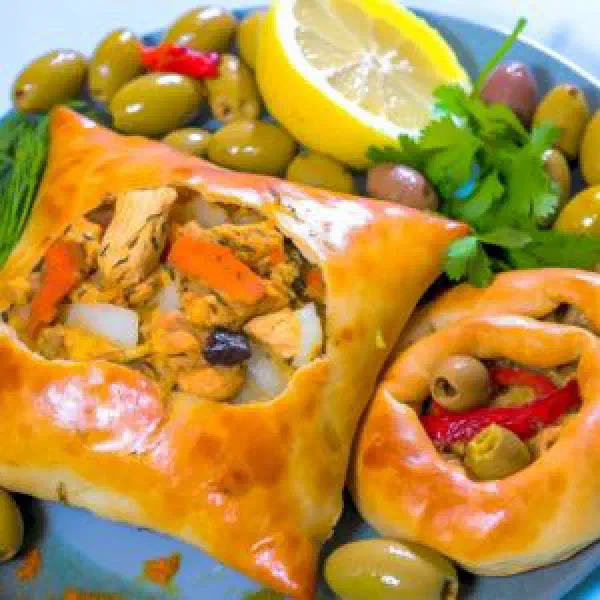
- Bake: place the rolls on a baking tray and bake in a preheated oven at 180°C until golden brown.
Gluten-free / lactose-free version
To make rokak gluten-free, you can use a gluten-free flour. A blend of rice and potato flour works well here. For the lactose-free version, simply swap any dairy products for lactose-free alternatives or plant-based options. These adjustments mean that people with particular dietary needs can enjoy the dish too, without missing out on its crisp, savoury appeal.
Tips for vegans and vegetarians
Vegans and vegetarians can adapt rokak by preparing the filling with seasonal vegetables, pulses or plant-based cheese. Spiced chickpeas or mashed sweet potato make equally delicious fillings, much like the hearty mixture in Falafel. On top of that, you can add fresh herbs such as parsley or coriander for extra flavour. This keeps the dish nourishing and varied and interesting on the palate.
More tips and tricks
For a perfect batch of rokak, make sure the dough is rolled out really thinly to achieve a crisp texture. Laying a slightly damp cloth over the dough also helps to stop it drying out. Letting the dough rest before rolling gives it extra suppleness and makes it far easier to handle. Experiment with different fillings, too, until you find your own favourite combinations.
Adapting the recipe to your taste
The great thing about rokak is its versatility. Depending on what you fancy, you can play around with all sorts of fillings. You can vary the spices as well, from classic paprika through to fiery chilli for the brave. This means that everyone who makes the dish has the chance to create their very own version of rokak, exactly the way they like it.
Ingredient substitutions
If certain ingredients for rokak are not to your taste, or you are worried about an allergic reaction, there are plenty of alternatives. Minced meat, for example, can be swapped for diced tofu or vegetables to create a protein-rich option. Instead of wheat flour you might use chickpea flour, much like the base of a savoury Lentil Sambousek, to suit a lighter, wholesome diet.
Drink pairing ideas
To round off the experience with rokak, fresh mint tea or traditional Egyptian hibiscus tea is a lovely choice. You could also offer yoghurt- or cucumber-based dips, which support the flavours of the dish. Together, these pairings heighten the pleasure of authentic Egyptian cuisine.
Serving and presentation ideas
To present rokak attractively, arrange the rolls on a handsome plate and garnish with fresh herbs. Use different plates and colours to make the dish look livelier and more inviting. Little bowls of dips and sauces alongside can also lift the presentation, much as you would serve a creamy Baba Ghanoush. A thoughtful presentation turns the meal into a special occasion.
A bit of history
Rokak has its roots in Egypt’s rich culture and represents an intriguing blend of different culinary traditions. Originally created as a quick and nourishing meal, today it is served in countless restaurant kitchens and at private celebrations alike. It symbolises Egyptian hospitality, as it is so easy to share and enjoy. The story of the dish also reflects the many cultural influences that have shaped Egyptian cuisine over the centuries.
More recipe ideas
Summary: Rokak
In summary, rokak is a delicious and versatile dish that captures the flavours of Egypt. With its range of fillings and the freedom to tailor the recipe to personal taste, it is a treat for everyone. Rokak brings a piece of Egyptian culture straight to your table. Enjoy making it and, above all, sharing this traditional culinary experience.