National Dish Egypt: Salatet Zabadi (Recipe)
In this article
Cool, creamy and wonderfully refreshing, Salatet Zabadi is one of the simplest pleasures of the Egyptian table. This silky yoghurt dip brings together thick yoghurt, crisp cucumber and a whisper of garlic to create a side that lifts almost any meal. It comes together in minutes, yet it carries the easy, sun-warmed charm of a Cairo lunch. Serve it alongside grilled meats, scoop it up with warm bread, or simply enjoy it as a light, healthy bite on a hot day.
About Salatet Zabadi
Salatet Zabadi is a beloved Egyptian side dish, prized as a refreshing yoghurt sauce that is often served with all manner of traditional plates. It marries creamy yoghurt with a handful of fresh ingredients to deliver a flavour that is both gentle and lively. In Egypt the dish frequently appears alongside grilled food or as part of a wider spread of salads. It is delicious and healthy and rich in nutrients, making it a natural partner for heartier dishes such as a Kofta Tagine.
Ingredients (serves 1–2)
- 200 g yoghurt (Greek yoghurt is ideal)
- 1 small cucumber, diced
- 1 clove of garlic, crushed
- 1 tablespoon fresh dill, chopped
- Juice of 1/2 lemon
- Salt and pepper, to taste
- A drizzle of olive oil
Shopping for the ingredients
The ingredients for Salatet Zabadi are easy to find in most supermarkets and Middle Eastern or Turkish grocers. Take care to choose a good-quality Greek yoghurt, as it gives a creamier consistency and makes the dish especially flavoursome. Fresh herbs such as dill can usually be picked up from the chilled produce section or bought at a local market. If you have particular dietary needs, there are now plenty of suitable alternatives stocked in most shops.
Preparing the dish
For Salatet Zabadi it is important to prepare all the ingredients carefully before you begin. Start by cutting the cucumber into small dice and crushing the garlic. Fresh herbs such as dill should be finely chopped to release their full flavour. The whole preparation can often be done in less than 10 minutes, which makes this dish ideal for a quick and healthy accompaniment.
Step-by-step instructions
- Spoon the yoghurt into a bowl and stir well until smooth and creamy.
- Add the diced cucumber and the crushed garlic.
- Stir in the fresh dill and the lemon juice, mixing everything together thoroughly.
- Season to taste with salt, pepper and a drizzle of olive oil.
- Chill the dish so the flavours can develop, then give it a final stir just before serving.
Gluten-free / lactose-free version
For anyone with special dietary needs, Salatet Zabadi is wonderfully easy to adapt. Use a lactose-free yoghurt to make sure the dish is suitable for those who are lactose intolerant. The recipe is also naturally gluten-free, and any accompanying breads or crackers can be swapped for gluten-free versions without affecting the taste. These small adjustments make the recipe accessible to a far wider range of guests.
Tips for vegans and vegetarians
Vegan eaters can easily adapt Salatet Zabadi by reaching for a plant-based yoghurt alternative. These are now widely available in supermarkets and come in a range of flavours, including coconut, almond and soya. Another idea is to enrich the dish with extra ingredients such as avocado or roasted vegetables to boost both the flavour and the nutritional value. That way vegans can enjoy this refreshing dish too, perhaps alongside a generous bowl of Hummus.
More tips and tricks
To make Salatet Zabadi even more appealing, feel free to experiment by adding different herbs or spices. A little cumin lends the dish extra depth and aroma. You can also adjust the amount of garlic to suit your taste; more garlic gives a more intense flavour. Serve it as a dip with bread or fresh vegetables for a perfect appetiser, much as you might offer a smoky Baba Ghanoush.
Adapting the recipe to your taste
One of the great qualities of Salatet Zabadi is its versatility. Depending on your own preferences, you can vary or add to the ingredients as you please. Grated carrot or chopped pepper, for instance, will give it more texture and colour. Using different styles of yoghurt, such as Turkish or vegan yoghurt, also lets you tailor the dish to your individual eating habits.
Ingredient substitutions
If you do not have some of the ingredients to hand, there are plenty of alternatives for Salatet Zabadi. Instead of dill you could use fresh mint or parsley for an interesting twist on the flavour. For a slightly sharper note, try adding onion or a spoonful of cream cheese. Just be sure to adjust the quantities accordingly to keep everything in balance, in the same spirit as a fresh Salatet Baladi.
Drink pairing ideas
To round off a meal featuring Salatet Zabadi, you can serve a variety of drinks. A freshly brewed Mint Tea or a refreshing Pomegranate Juice pairs beautifully with this dish and complements its flavours. A cool alcohol-free beer or a glass of water with lemon also rounds out the experience nicely. These drink suggestions help create a complete and satisfying flavour experience.
Serving and presentation ideas
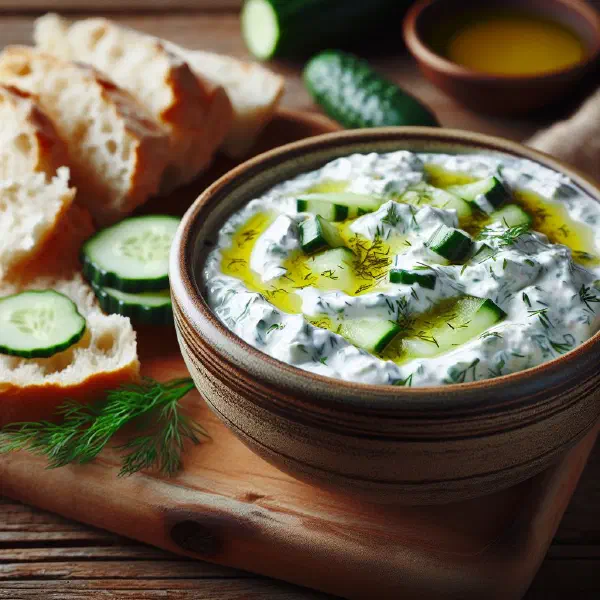
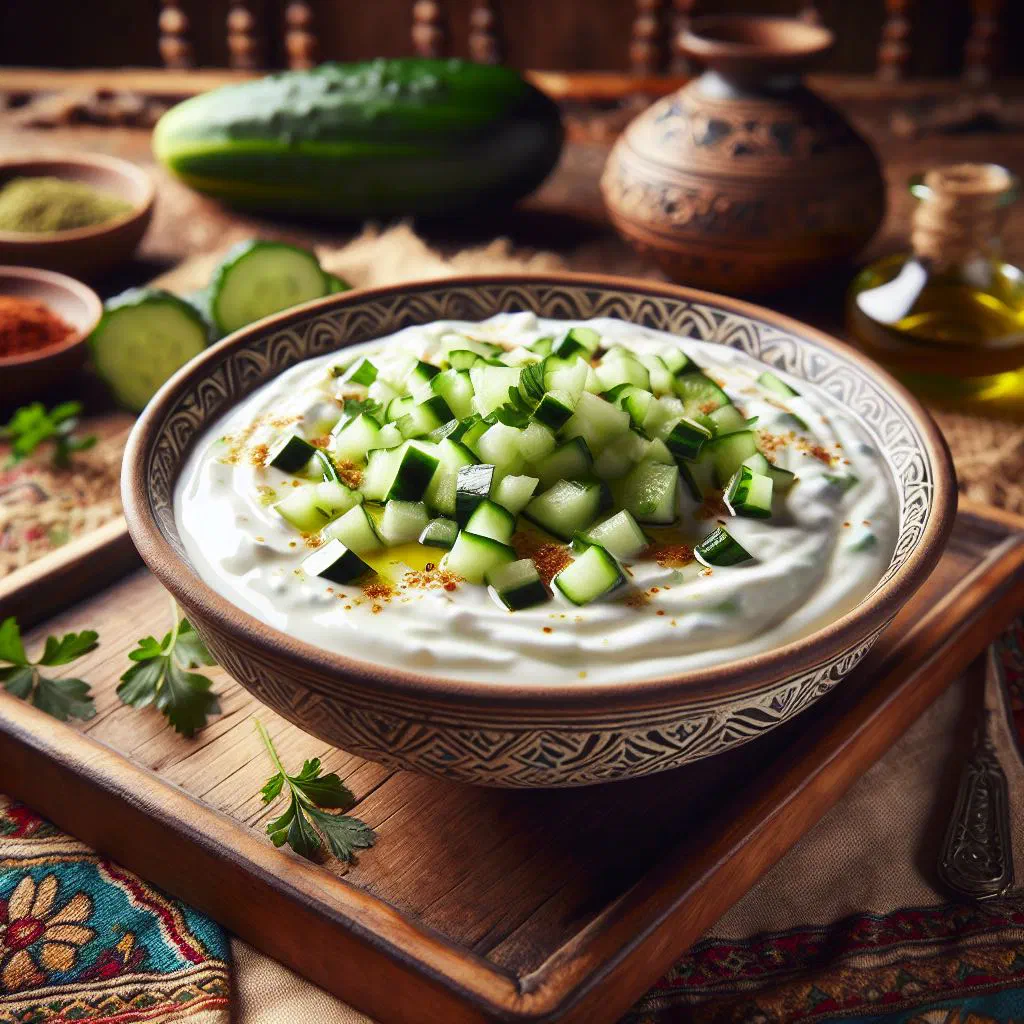
For an appealing presentation of Salatet Zabadi, arrange the dish in an attractive bowl and garnish it with fresh herbs. A few olives or cherry tomatoes make a lovely decoration. If you are serving it as a dip, it works well to offer fresh bread or vegetable sticks in a separate dish on the side. A thoughtful presentation helps spark your guests’ interest and heightens their enjoyment.
A bit of history
Salatet Zabadi has a long history in Egyptian cooking and reflects the country’s culinary diversity. Yoghurt is treasured in many cultures, where it is often used as a refreshing, healthy food. The pairing of yoghurt with fresh ingredients has been established in Egypt for centuries. This dish is not only a firm part of Egyptian cuisine but has also won admirers in many other countries.
More recipe ideas
Summary: Salatet Zabadi
In short, Salatet Zabadi is a wonderful example of the variety of Egyptian cooking. With its simple preparation and fresh ingredients, it makes a great addition to many dishes and suits a range of diets. A sauce or a side, this dish is sure to win everyone over. Try it for yourself and let its fresh, cooling flavours surprise you.